
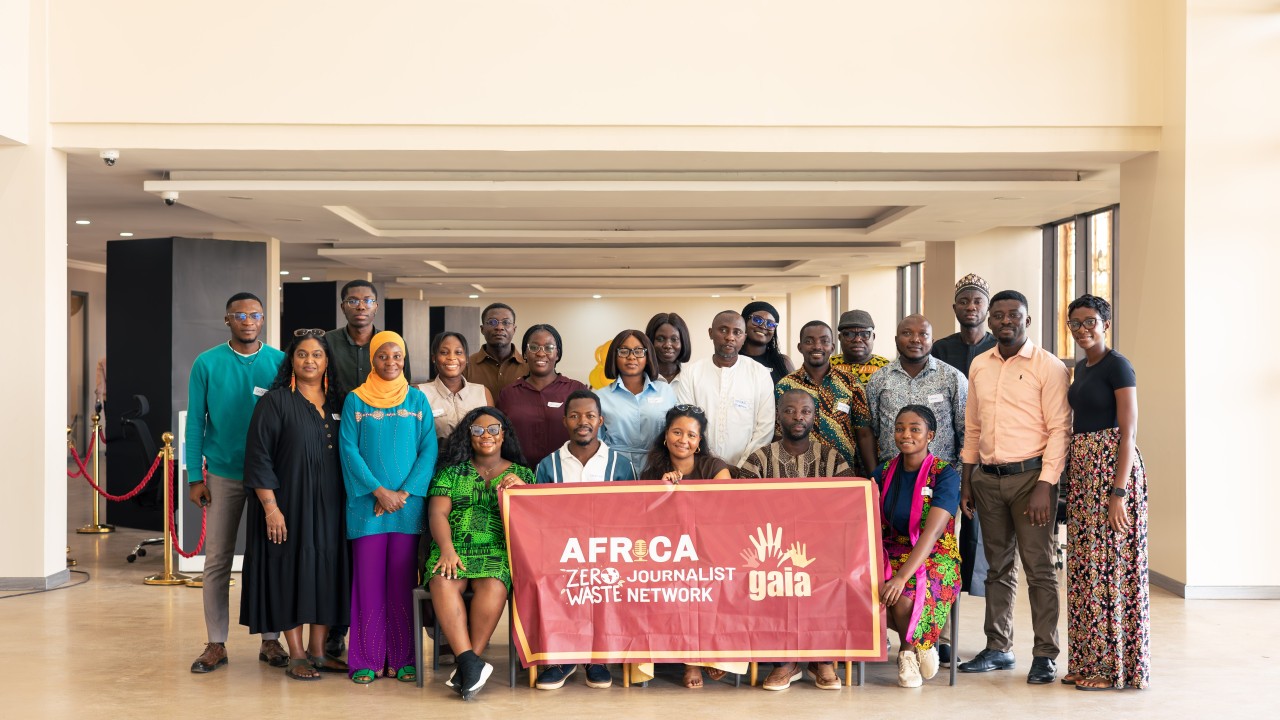
GAIA Africa has trained Ghanaian journalists in climate and zero-waste reporting as part of efforts to strengthen environmental journalism across Africa.
The in-person training was held ahead of the second edition of the Africa Zero Waste Academy in Kpone in the Eastern Region.
It also marked the first face-to-face meeting of the Africa Zero Waste Journalists (AZWJ) network since its launch in 2024.
The training sought to deepen journalists’ understanding of climate science, practical zero-waste solutions and emerging storytelling techniques, including the use of short-form video and artificial intelligence.
According to organisers, the move from quarterly virtual workshops to an in-person session was intended to strengthen professional relationships, encourage collaboration and provide journalists with hands-on learning opportunities.
Ibrahim Khalilulahi Usman, Communications Associate at GAIA Africa and Coordinator of the AZWJ network, said the training would equip journalists with practical skills to report on waste, pollution and climate resilience while holding institutions and decision-makers accountable.
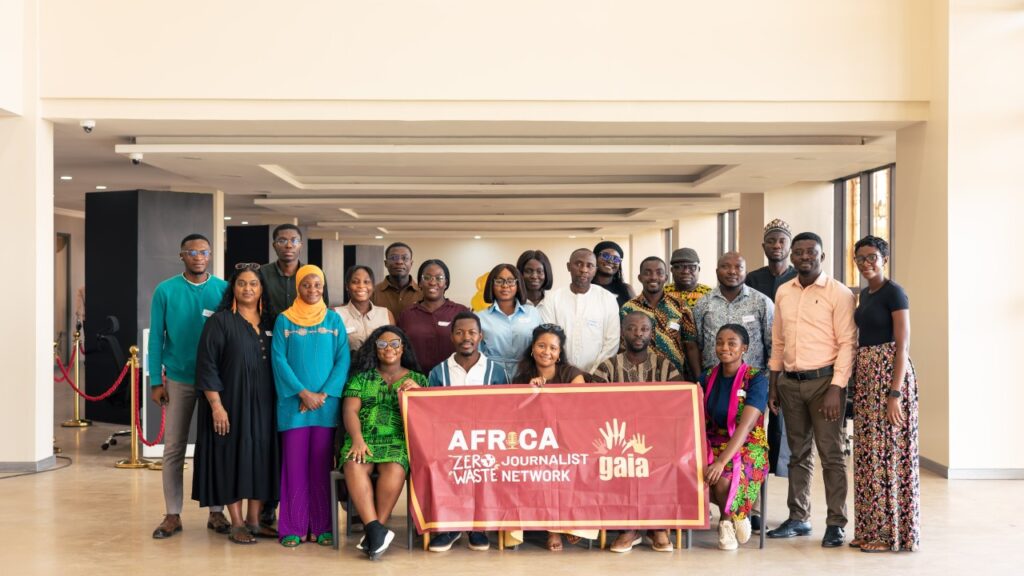
The day-long workshop focused on three key areas: the basics of climate science, zero waste as a practical climate solution, and the use of social media reels to promote climate stories.
Facilitators used real-life examples from Ghana, including coastal erosion in the Volta Region and urban flooding in Accra, to help participants connect technical knowledge with community-level realities.
One of the sessions, led by Hafiz Larry Alhassan, explored how journalists can use short-form videos to simplify complex climate issues and reach wider audiences.
Participants were also encouraged to scrutinise proposed climate solutions and identify greenwashing and interventions that may cause unintended environmental harm.
Carissa Marnce, Africa Communications Manager at GAIA Africa, stressed the need for evidence-based reporting to help the public and policymakers distinguish genuine climate action from false solutions.
The zero-waste session, facilitated by Desmond Alugnoa, GAIA Zero Waste and Climate Manager, highlighted waste reduction, reuse and recycling as practical, community-centred approaches that can reduce emissions, create green jobs and improve public health.
Journalists also worked in groups to develop climate story ideas and short-form video concepts that could be produced with minimal equipment.
Organisers say the face-to-face meeting is expected to strengthen collaboration among environmental journalists across Africa and encourage joint investigations and regional reporting projects.
The AZWJ network plans to continue its quarterly training programme through a combination of virtual and in-person sessions.
As climate impacts intensify across the continent, GAIA Africa says stronger, locally grounded and evidence-based environmental journalism is essential to informing the public, challenging false solutions and influencing policy.
By Peter Quao Adattor/paqmediagh