

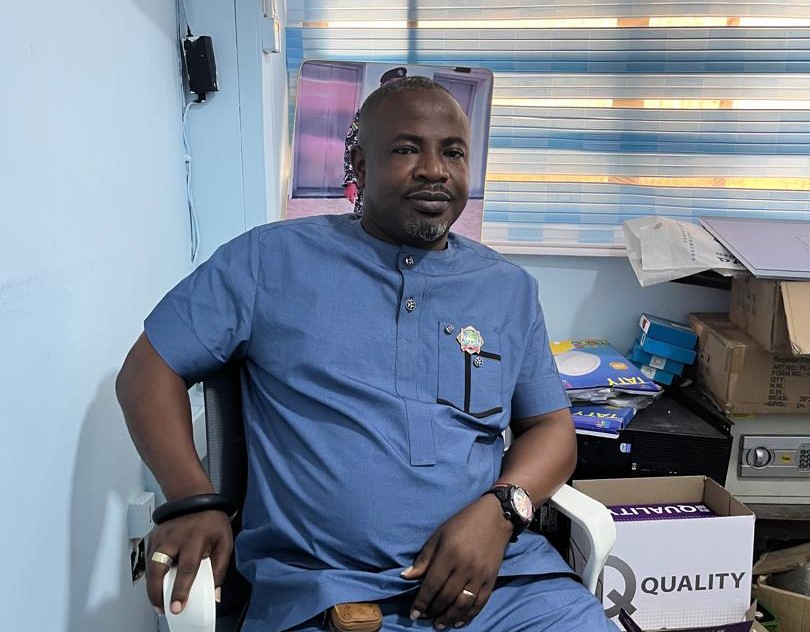
By Detective Chief Inspector Emmanuel Gyamfi Yeboah
A silent crisis is unfolding across Ghana.
It is not driven by armed robbery, drugs or violent crime. Instead, it is fuelled by hope, hope sold through glossy social media videos, motivational seminars, luxury lifestyles and promises of financial freedom.
Across Ghana and several West African countries, thousands of young people are abandoning school, leaving their jobs, relocating from their communities and investing their savings in international online network marketing opportunities that promise life-changing wealth.
While legitimate direct-selling businesses operate within the law, increasing concerns have emerged about the recruitment tactics used by some independent promoters who target unemployed and financially vulnerable youth with unrealistic promises of overnight success.
Recent observations by Detective Chief Inspector Emmanuel Gyamfi Yeboah during visits to Nsawam-Adoagyiri and surrounding communities paint a troubling picture.
In several locations, more than eight young people were found living inside single 10-by-10-foot rooms under overcrowded and poorly ventilated conditions after relocating to pursue these opportunities.
The situation raises serious public health concerns.
Overcrowded accommodation increases the risk of infectious diseases, including tuberculosis, respiratory infections and skin-related illnesses. Beyond the physical dangers lies another crisis that often goes unnoticed—the mental toll.
Many recruits borrow money, sell personal belongings or depend on family members to finance their participation. When the promised financial breakthrough fails to materialise, many are left battling debt, depression, anxiety and emotional trauma.
The consequences extend beyond individual hardship.
According to Detective Chief Inspector Gyamfi Yeboah, the growing movement of young people across Ghana and neighbouring countries—including Nigeria, Côte d’Ivoire, Togo and Burkina Faso—in pursuit of these opportunities presents new challenges for immigration authorities, law enforcement agencies and social protection institutions.
The increasing cross-border nature of these recruitment networks calls for stronger regional cooperation and closer scrutiny of recruitment practices that may expose vulnerable people to exploitation.
Perhaps the greatest cost, however, is the loss of productive human capital.
Instead of investing their energy in education, vocational training, agriculture, technology, entrepreneurship and other sectors critical to national development, many young people are dedicating their time and limited resources to recruitment-driven ventures that may not deliver sustainable livelihoods.
Detective Chief Inspector Gyamfi Yeboah believes Ghana cannot afford to ignore this growing trend.
He is calling for coordinated action involving government institutions, regulatory bodies, educational authorities, traditional leaders, religious organisations, civil society groups and the media.
He recommends intensified public education campaigns, stronger financial literacy programmes in schools, improved consumer protection awareness and investigations into reports of overcrowded accommodation and possible exploitation associated with some recruitment networks.
Parents and guardians also have a critical role to play by engaging young people in honest conversations about financial scams, deceptive recruitment tactics and unrealistic promises of instant wealth.
The media, he argues, must equally exercise greater diligence by verifying recruitment advertisements before broadcasting or publishing them, recognising that public safety should never be sacrificed for commercial gain.
Ghana’s youth remain the country’s greatest national resource.
Their ambition, creativity and determination deserve opportunities built on education, innovation, legitimate enterprise and meaningful employment—not unrealistic promises that may compromise their health, dignity and future.
The scenes witnessed in parts of Nsawam-Adoagyiri should serve as a national wake-up call.
What may appear to be an ordinary business opportunity could, in some circumstances, represent a much broader challenge affecting public health, youth welfare, economic productivity and national security.
Protecting Ghana’s young people is more than a social responsibility.
It is an investment in the country’s future.
Author’s Note
Detective Chief Inspector Emmanuel Gyamfi Yeboah is the Station Officer of the Anti-Human Trafficking Unit at the Criminal Investigations Department (CID) Headquarters, Accra, and a Master of Public Health (MPH) student at Ensign Global University. His professional and academic interests include human trafficking, public health, youth protection, social justice and community development.
Disclaimer: The views expressed in this article are solely those of the author and are intended to contribute to public discourse on youth welfare, public health and national development. They do not necessarily represent the official position or policies of the Ghana Police Service, the Criminal Investigations Department (CID), or Ensign Global University.
Paqmediagh