

As Ghana continues to position itself as a leading tourism destination in Africa, attention is often focused on major attractions such as national parks, cultural heritage sites, beaches, and festivals. Yet, one simple tool has the potential to significantly transform visitor experiences and deepen engagement with the country’s rich natural heritage: the binocular.
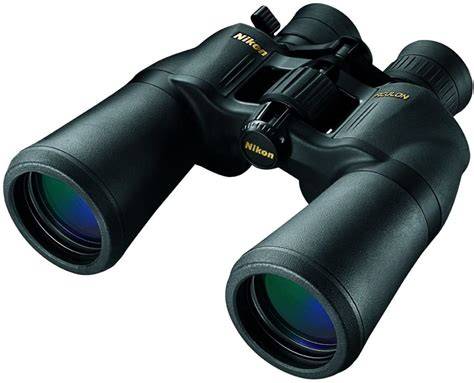
A binocular is an optical instrument that provides a magnified stereoscopic view of distant objects. According to Encyclopaedia Britannica, it consists of two similar telescopes mounted on a single frame, allowing users to observe faraway objects with greater clarity and depth. While often associated with birdwatchers, sailors, and wildlife enthusiasts, binoculars are increasingly becoming indispensable tools in modern tourism.
Enhancing Wildlife and Eco-Tourism Experiences
Ghana’s growing reputation as an eco-tourism and wildlife destination makes the integration of binoculars into tourism activities more relevant than ever. The country boasts an impressive biodiversity, with more than 750 bird species recorded nationwide and numerous wildlife habitats spread across its protected areas.
At Mole National Park, Ghana’s largest wildlife reserve, visitors can encounter varied birds and mammal species, including elephants, antelopes, warthogs, baboons, and monitor lizards. During the dry season, animals congregate around water sources, providing excellent viewing opportunities. Binoculars allow tourists to observe these animals closely while maintaining a safe and respectful distance.
Similarly, at Kakum National Park, famous for its canopy walkway suspended 30 to 40 metres above the forest floor, binoculars help visitors penetrate dense foliage to spot elusive wildlife such as monkeys, hornbills, and even forest elephants. For birdwatchers seeking rare species such as the White-necked Picathartes, binoculars are not simply an accessory, they are an essential part of the experience.

Expanding Access to Nature
While binoculars are widely used in established safari destinations around the world, their integration into Ghana’s tourism ecosystem remains limited. Access to quality optical equipment can be challenging for travellers arriving in the country, particularly those who may not have planned.
Introducing rental services at tourism sites could address this gap. National parks and eco-tourism centres could establish binocular rental kiosks where visitors can rent equipment for a modest fee. Such initiatives would not only enhance visitor satisfaction but also generate additional revenue streams for park management.
Different environments require different types of binoculars. Waterproof and anti-fog models are particularly suitable for Ghana’s rainforest attractions such as Kakum and Ankasa, while focus-free binoculars can make wildlife viewing easier for children and first-time users.
Digital Innovation Meets Nature Tourism
In today’s digital age, tourism experiences are increasingly enhanced by technology. The future of binocular use in tourism lies not only in the equipment itself but also in how it integrates with digital platforms.
One innovation gaining popularity worldwide is Digi scoping, the use of smartphone adapters attached to binoculars or spotting scopes to capture images of distant wildlife. This enables tourists to photograph birds, animals, and scenic landscapes that would otherwise be impossible to capture with standard smartphone cameras.
The resulting images often find their way onto social media platforms, generating authentic user-created content that promotes destinations to global audiences. Every shared image of an elephant at Mole or a rare bird in Kakum becomes free marketing for Ghana’s tourism sector.
Furthermore, the integration of binoculars into digital tourism applications could elevate visitor experiences. As the Ghana Tourism Authority continues to expand its digital services, future platforms could include dedicated birdwatching and safari features. Such tools could provide GPS-based information on nearby species, highlight must-see wildlife, and offer practical tutorials on using binoculars effectively.
Creating Opportunities for Local Communities
The benefits of integrating binoculars into tourism extend beyond visitors. They also present opportunities for local economic development.
Training programmes could equip young people living near tourism destinations with specialised skills as birding and wildlife guides. Guides trained in the use of binoculars and spotting scopes would be able to offer premium services, enriching visitor experiences while earning higher incomes.
Birdwatching tourism is among the fastest-growing segments of global eco-tourism, attracting travellers who are often willing to spend more on specialised experiences. By investing in guide training and optical equipment, Ghana can tap into this niche market and create sustainable livelihoods for local communities.
Looking Ahead
Tourism today is increasingly about immersive experiences rather than passive sightseeing. Visitors seek meaningful interactions with nature, culture, and wildlife. Binoculars provide a gateway to these experiences by revealing details that would otherwise remain unseen.
As Ghana pursues its vision of becoming a world-class tourism destination, integrating binoculars into wildlife viewing, birdwatching, digital tourism platforms, and community-based tourism initiatives offers a practical and innovative pathway forward.
By positioning binoculars not merely as accessories but as essential tools for exploration and discovery, Ghana can enrich its tourism offerings, create new economic opportunities, and strengthen its reputation as a destination where visitors experience the wonders of nature up close.
In the quest to elevate the country’s tourism industry, the humble binocular may prove to be one of the most powerful tools in transforming the Black Star Experience into an unforgettable journey of discovery.
By: Dr Samuel Kofi Fosuhene, Senior Research Scientist, Ghana Space Science Institute- GAEC