
Ghana’s ambitious tree-planting campaign is yielding encouraging results, with recent surveys showing survival rates of up to 85 per cent in some forest reserves across the country.
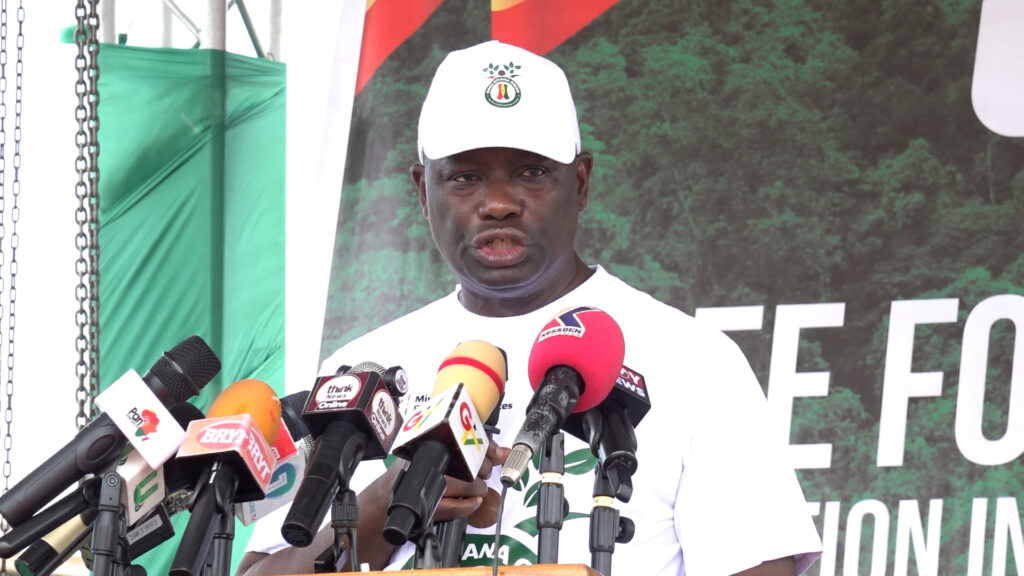
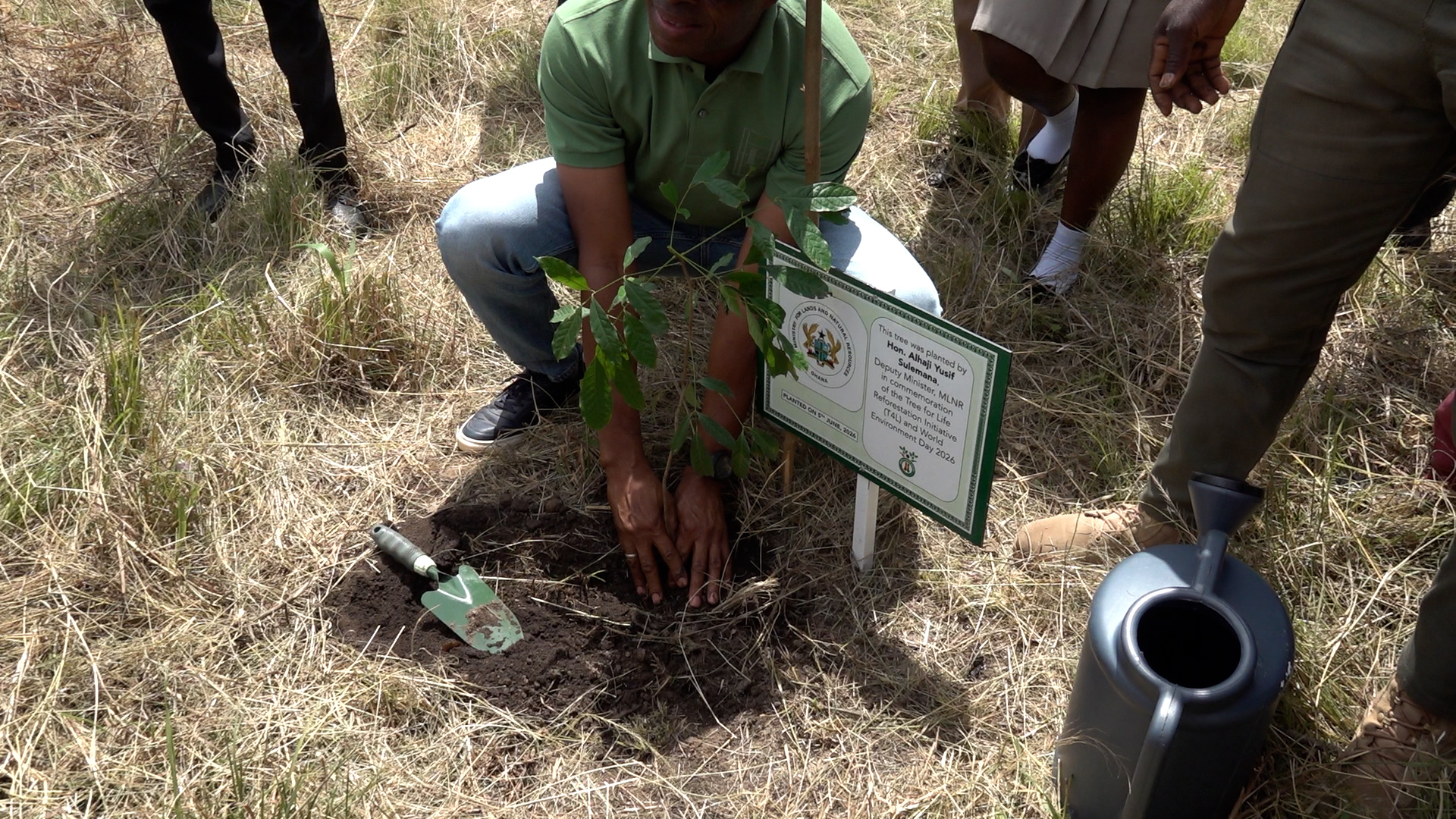
Speaking at this year’s World Environment Day celebration and the launch of the 2026 Tree for Life Initiative at West Africa Senior High School near Adentan, Chief Executive of the Forestry Commission, Dr Hugh Brown, revealed that the 2025 exercise not only recorded strong survival rates but also exceeded its national planting target by nearly one million tree seedlings.
Forests remain one of Ghana’s most valuable natural assets, covering an estimated 6.4 million hectares—about 27 percent of the country’s total land area.
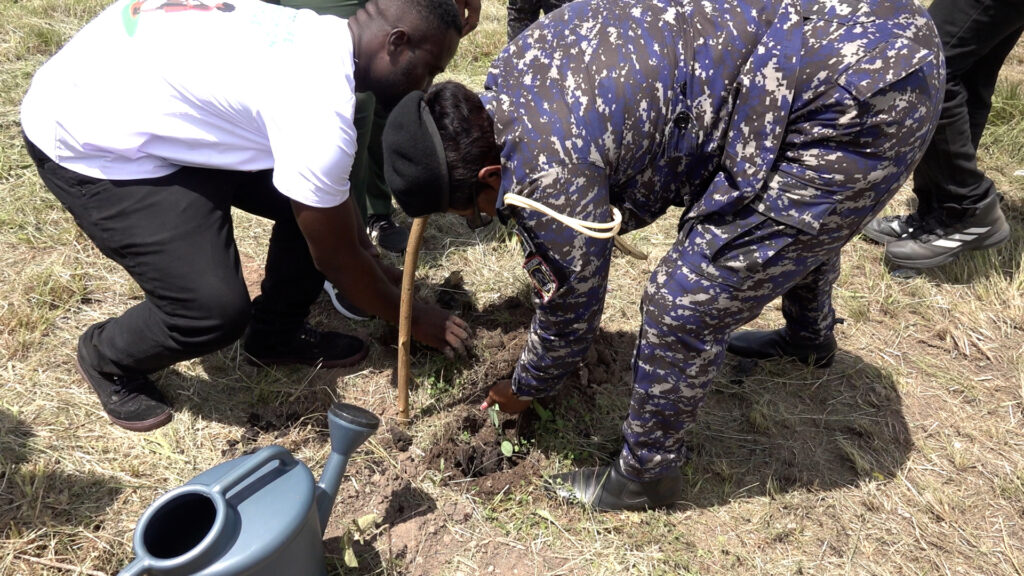
Beyond their environmental importance, forests are a critical pillar of the national economy and the livelihoods of millions of Ghanaians. Nearly one in every five people depends directly or indirectly on forest resources for income, food, medicine, and other essential needs.
The country’s cocoa industry, one of Ghana’s leading economic sectors, continues to benefit from the favourable microclimate created by healthy forest ecosystems. Forest reserves and wildlife protected areas also serve as vital watersheds, providing water to major rivers including the Pra, Birim, Densu, Ankobra, Ayensu and Offin.
The sector supports an estimated 800,000 jobs across the value chain—from timber production and transportation to furniture manufacturing, plantation development, ecotourism, research, conservation and forest governance.
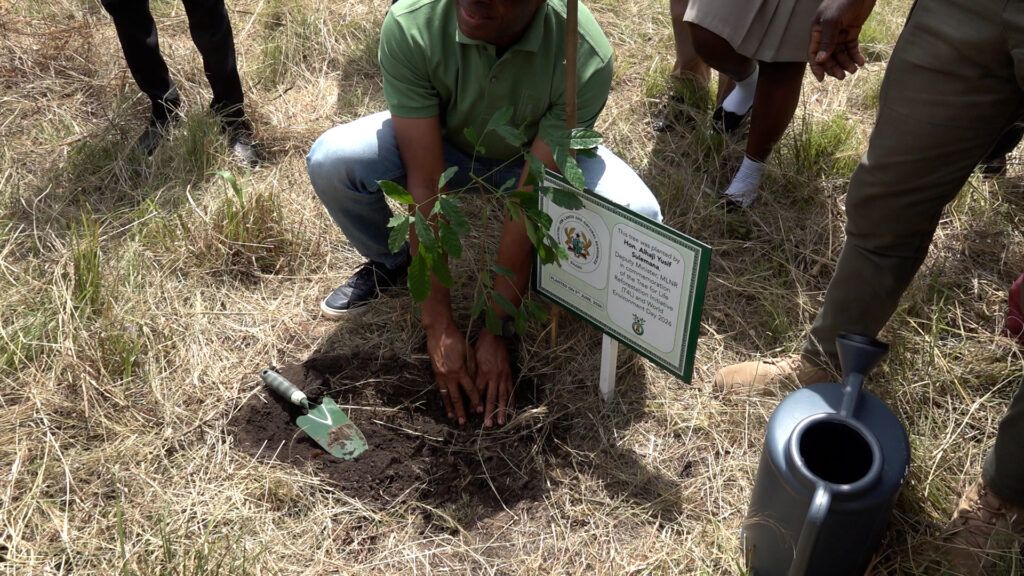
In 2025 alone, timber and timber products supplied to both domestic and international markets generated an estimated 260 million dollars in revenue, while ecotourism recorded about 800,000 visits, representing a 20 percent increase over the previous year.
Yet despite these gains, Ghana’s forests continue to face mounting pressure from illegal logging, unsustainable land use practices, wildfires and other forms of degradation, threatening biodiversity, water resources, climate resilience and the livelihoods of forest-dependent communities.
To reverse this trend, the Forestry Commission says the Tree for Life Reforestation Initiative has become a critical national intervention aimed at restoring degraded landscapes and strengthening climate resilience.
The Commission says more than 23,600 hectares of degraded and deforested land were restored through enrichment planting and forest plantation development in 2025.
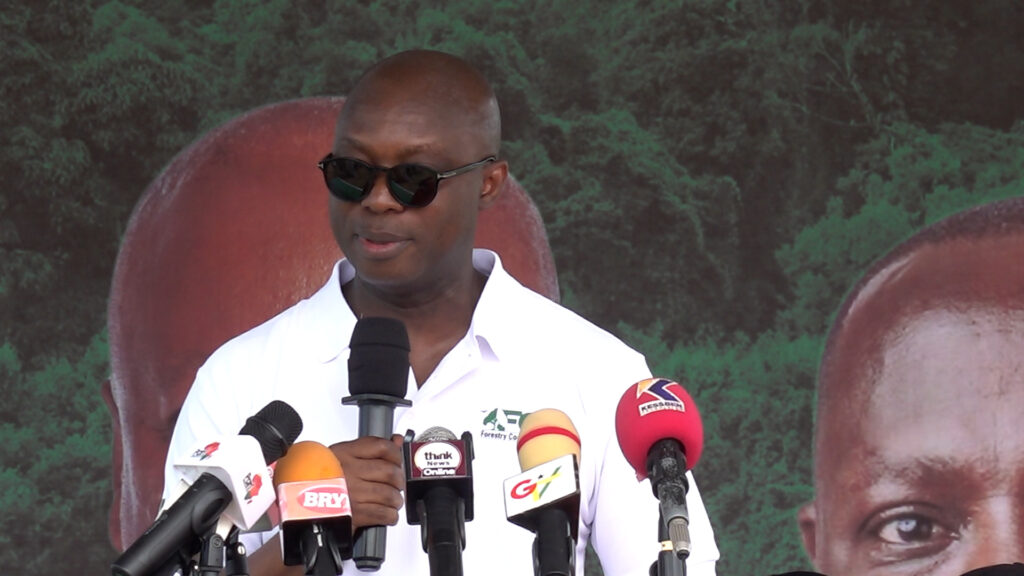
Recent survival surveys conducted within the restored areas recorded encouraging results, with tree survival rates ranging between 65 and 85 percent in the High Forest Zone and between 40 and 78 per cent in the Northern Savannah Zone.
Building on that progress, the Forestry Commission, in collaboration with private sector partners and other stakeholders, is targeting the planting of 30 million tree seedlings nationwide under the 2026 Tree for Life Initiative.
The Forestry Commission is therefore calling on all Ghanaians to join the campaign by collecting seedlings from its headquarters, regional and district offices, planting them, and ensuring they are nurtured to maturity.
The Minister for Lands and Natural Resources, Emmanuel Armah-Kofi Buah, has called on all Ghanaians and residents of the country to actively support environmental protection initiatives, warning that climate change is already having a profound impact on lives and livelihoods.
According to the Minister, Ghana is increasingly experiencing the effects of climate change through rising temperatures, erratic rainfall patterns, prolonged droughts, flooding, coastal erosion, declining forest cover, and the degradation of critical ecosystems.
He noted that these challenges pose serious threats to food security, water resources, public health, livelihoods, and economic growth.
“The scientific evidence is clear. Climate change is no longer a future threat; it is a present reality and an immediate danger. The response required must be urgent, collective and sustainable,” he stressed.
Emmanuel Armah Kofi Buah said it is against this backdrop that Ghana remains firmly committed to environmental sustainability, climate resilience, and the sustainable management of the country’s forest and wildlife resources through initiatives such as the Tree for Life programme.
Officials say the success of the initiative will depend not only on planting trees but also on protecting them, towards securing a greener, healthier and more climate-resilient Ghana for generations to come.
By Peter Quao Adattor.paqmdiagh