
An Open Letter to President John Dramani Mahama
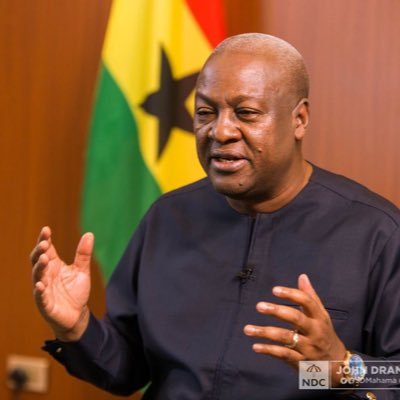
Mr President,
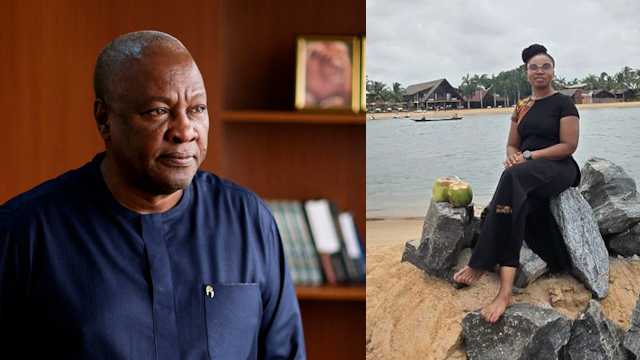
I write from Antire in the Savannah, where the sky hangs low and grey, and the temperature is predicted to climb to 31 degrees Celsius. The sun’s smooth fist has struck the rain, and although you are the grandson of Sumaila Ndewura Jakpa, you do not see the red-mouthed rain splashed across the earth.
Well, you would, if you had my kind of eyes.
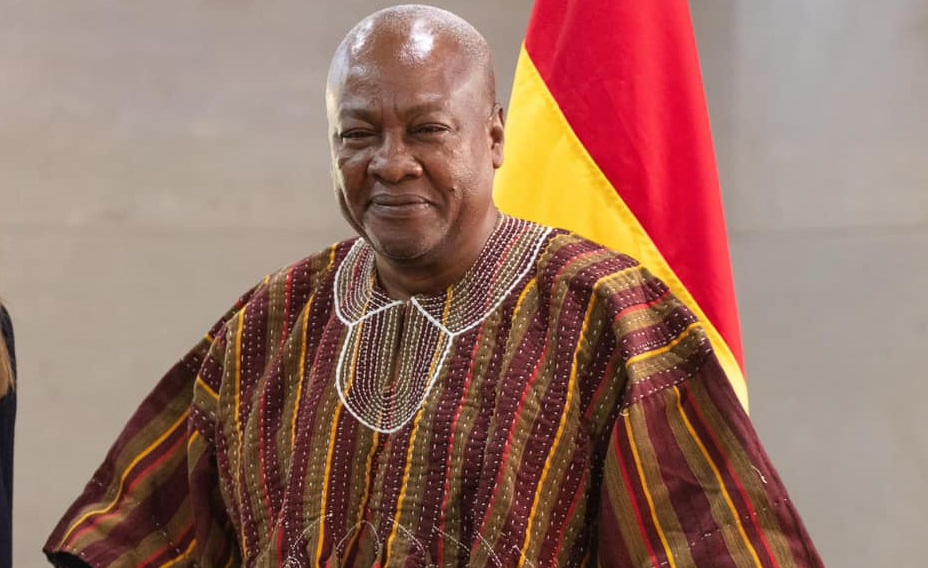
Old man, my mission in this august house is simple. But first, why have you not served me groundnuts yet? The spirit of Azantilo can summon you over this.
Now to business.
September 2025 was World Tourism Month. I had tonnes of shea butter waiting to be shipped to Saudi Arabia and the United States that week, but that is a story for another day, Mr President.
Gonja man, while the world remains fixated on the forts and castles of the coast, the heritage of Northern Ghana remains a tentative footnote in the halls of UNESCO.
The Mystery of Akamade
In August, acting as a self-appointed Ambassador for Heritage in your home region, I visited Akamade. Hidden beneath a forest canopy are rocks etched with history, inscriptions bearing “Allah” and “Allah Hu Akbar.” These may be early examples of Gonja Ajami literature or Kufic calligraphy.
Archaeologists like Professor Wazi Apoh recognise the significance.
Why do we not?
These are not ordinary rocks. They are footprints, proof that life, thought, faith, and culture flourished here long before modern Ghana took shape.
To fully understand these markings, one might need a quiet conversation with the old man at the big house. While you search for your phone to give him a call, let us continue.
Over a bowl of bitterleaf soup with guinea fowl, prepared the Builsa way, I asked Google Scholar when Ghana’s UNESCO World Heritage Sites were listed.
The 45-Year Silence
Ghana has only two UNESCO World Heritage Sites:
- The Coastal Forts and Castles, Inscribed in 1979
- The Asante Traditional Buildings, Inscribed in 1980
Since 1980, six years before I arrived on this earth, not a single additional site has been inscribed.
For 45 years, our national heritage narrative has remained frozen at the coastline.
In January 2000, six sites, including Mole National Park and ancient trade and pilgrimage routes, were placed on UNESCO’s tentative list. You were in the halls of power then, Mr President, and you are there again today.
Mr President, It Is Time
It is time for the upstream process.
We do not need roads alone; we need archaeological research, ancestral studies, and heritage documentation that affirm our ancestors’ existence and dignity.
The slave cemetery in East Gonja lies bare, unprotected, unstudied, and unrecognised.
As the Yagbon-wura’s “first wife,” I say this plainly: include East Gonja in your legacy tourism and heritage projects. A small push from the big development purse would not hurt.
Before you bow out of service, give the ancestors a reason to chew kola in celebration.
My Builsa and Gurunshi sisters stand ready with kapri and klotor, but we want results served with our meal.
Let us remove these nomination dossiers from the dusty tentative shelf and place them firmly on the global record.
Because the heritage of Northern Ghana is not a secret to be kept, it is a legacy waiting to be listed.
Oh, by the way, the shiwaka was prepared by Jemima Musah, “wife” of all Gonja men, sister of Hajia Ayishetu, wife of Uncle Adam (may he rest in peace).
Whisper to Uncle Peter that the little girl who once carried meals during the construction of the Gumani branch has come back, with questions.
Yours Truly,
Zubaida Ismail, zubaidais16@gmail.com +233 248 648 456
A personal nightmare, packaged in a Builsa girl.
Disclaimer: Gonjas and Builsas are playful cousins, hence the tone.
Source, paqmediagh/PeterQuao Adattor