
Ghana has recorded a zero per cent rejection rate for its Forest Law Enforcement, Governance and Trade (FLEGT) licences by the European Union, marking a significant milestone in the country’s efforts to combat illegal logging, strengthen forest governance and promote legal timber trade.
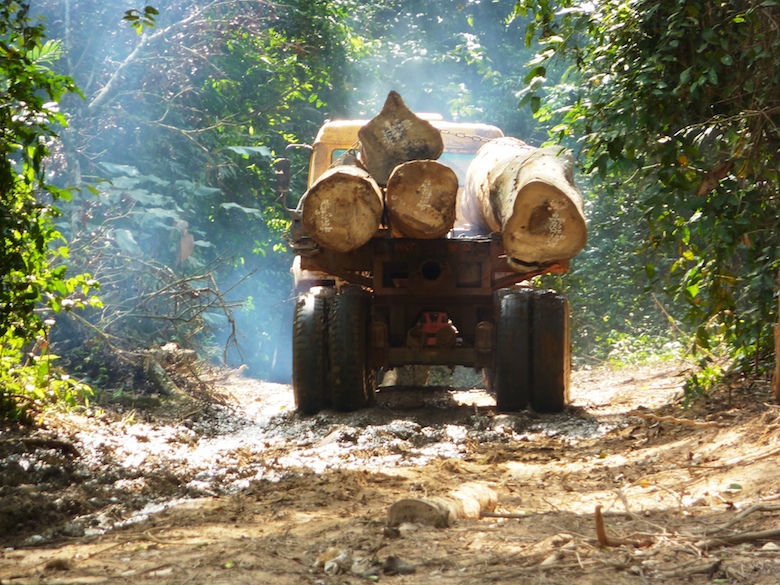
However, as the European timber market evolves towards stricter environmental and sustainability standards, Ghana is taking steps to ensure that its timber products meet the requirements of the European Union Deforestation Regulation (EUDR).
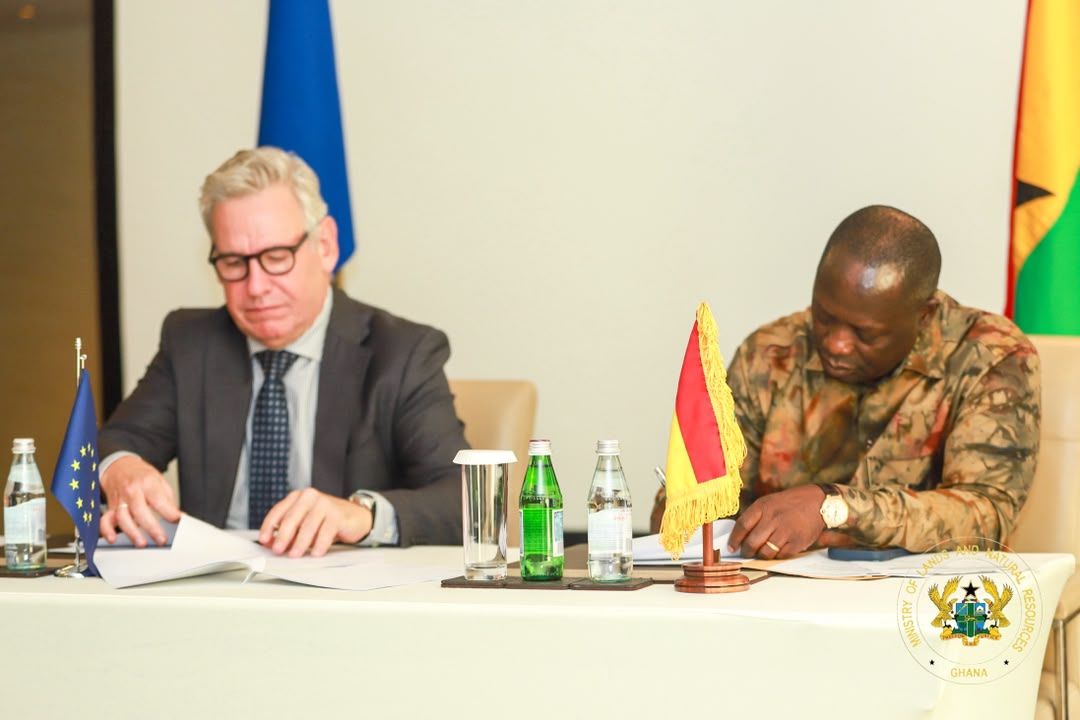
These developments emerged at the 14th Joint Monitoring and Review Mechanism (JMRM) meeting between Ghana and the European Union, held from November 26 to 27 in Accra.
The two-day meeting was the first since Ghana commenced FLEGT licensing in 2025, becoming the first African country to achieve the milestone.
The meeting reviewed progress made during the first year of licensing, addressed emerging regulatory requirements and explored opportunities for strengthening trade, investment and sustainable forest management.
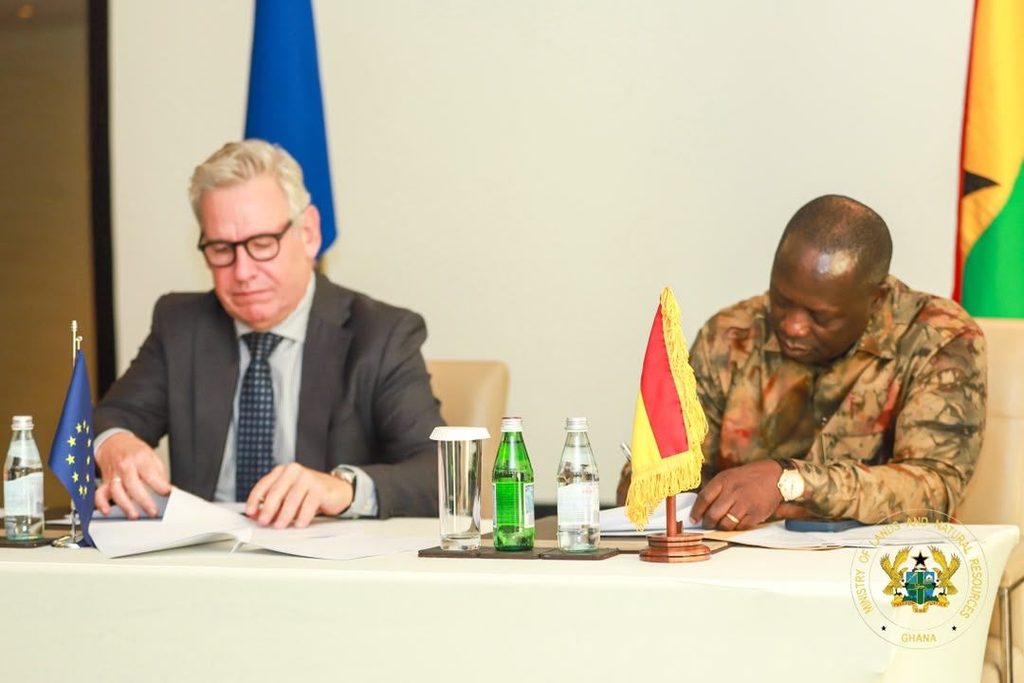
Zero Rejection of Ghana’s FLEGT Licences
Speaking at the high-level political session, the European Union Ambassador to Ghana, H.E. Rune Skinnebach, commended Ghana for the successful implementation of its timber licensing system.
He attributed the achievement to close collaboration between the European Commission and Ghana’s Forestry Commission in addressing challenges relating to system connectivity, technical stability and trade operations.
“This close collaboration has delivered an important result: 0% of FLEGT licences rejected by the EU. This is a strong demonstration of the reliability of Ghana’s licensing system and the effectiveness of our cooperation,” the Ambassador said.
The achievement represents an important milestone in Ghana’s efforts to strengthen international confidence in its timber legality assurance system and enhance the competitiveness of its forest-based industries.
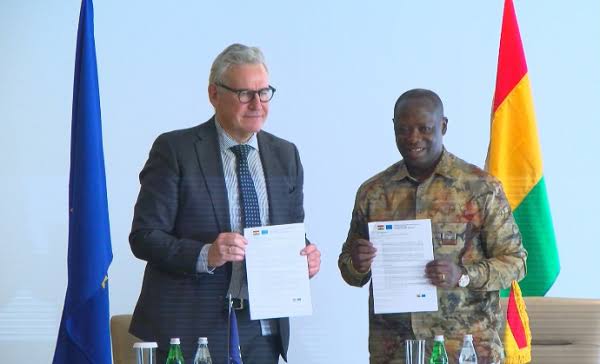
Beyond Legal Timber: Meeting Deforestation-Free Requirements
Despite the progress made under FLEGT licensing, Ghana faces the additional responsibility of ensuring that timber products destined for the European market meet evolving environmental standards.
Under the EU Deforestation Regulation, relevant commodities, including wood and covered wood products, must be legally produced, deforestation-free and traceable to their production plots through geolocation data.
While FLEGT licences provide evidence of timber legality, they do not automatically satisfy the separate deforestation-free and due diligence requirements under the EUDR.
Ghana and the European Union have consequently agreed to work towards strengthening the alignment of Ghana’s Timber Legality Assurance System (GhTLAS) with the new regulatory requirements.
Ghana has reaffirmed its commitment to upgrading the system’s geolocation data capture and deforestation-free verification capabilities, building on existing national forest monitoring systems.
“Our objective is to build on Ghana’s existing national capacities, strengthen the credibility of its systems and facilitate the continued access of Ghanaian timber products to international markets,” Ambassador Skinnebach said.
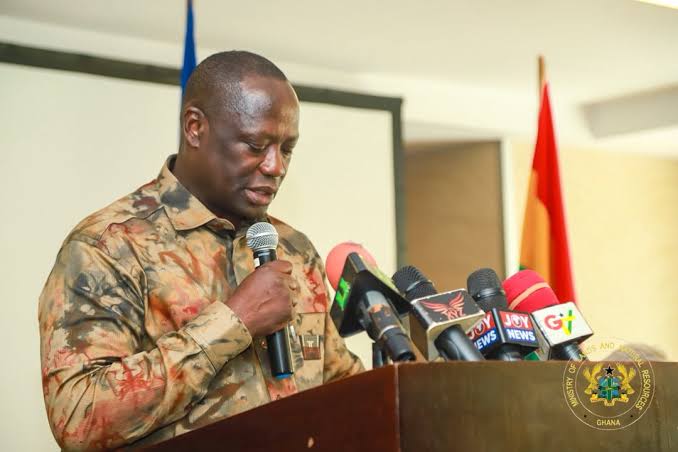
Ghana’s Carbon Credit Achievement Offers New Opportunities
Ghana’s growing capacity in forest monitoring and climate action is expected to provide an important foundation for meeting the EU’s deforestation-free requirements.
Through its participation in the Reducing Emissions from Deforestation and Forest Degradation (REDD+) programme, Ghana has strengthened its forest monitoring, geospatial data and Measurement, Reporting and Verification (MRV) capabilities.
The recent issuance of 6.57 million verified carbon credits under the Architecture for REDD+ Transactions’ TREES standard represents another significant achievement.
According to the EU Ambassador, Ghana is the first African country and only the third country globally to receive ART-TREES credits.
These technical capabilities could support the country’s efforts to monitor forest-cover changes, assess deforestation risks and verify the environmental credentials of timber products entering international markets.
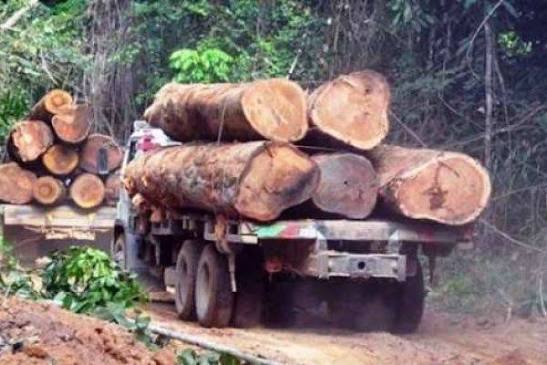
Moving Beyond Raw Timber Exports
The European Union is also encouraging Ghana to take advantage of emerging opportunities in the global forest economy by investing in industrial upgrading, innovation and value addition.
Ambassador Skinnebach noted that changing consumer preferences and the growing demand for sustainable, legal and deforestation-free timber present opportunities for Ghana to diversify its forest-based industries.
“The European timber market is changing fast. Buyers are increasingly looking for timber that is sustainable, legal and deforestation-free, and Ghana’s FLEGT licensing system is a strong advantage in that context,” he said.
With wood gaining increasing importance in Europe as a renewable, low-carbon material, particularly in construction and the bioeconomy, the Ambassador believes Ghana can position itself to benefit from higher-value timber processing rather than concentrating solely on timber exports.
A recent high-level mission to Belgium and the Netherlands provided Ghanaian industry representatives with opportunities to showcase the country’s achievements, engage European market actors and explore business and investment partnerships.
New Opportunities for Forest Restoration and Investment
Against the backdrop of Ghana’s forest restoration and plantation development agenda and the European Union’s Global Gateway initiative, both parties expressed interest in expanding cooperation beyond timber legality.
Potential areas of collaboration include:
- Sustainable forest plantation development and landscape restoration.
- Digitalisation of forest monitoring and management systems.
- Industrial upgrading and local value addition.
- Sustainable forest management and climate action.
- Increased trade and investment in forest-based industries.
The proposed areas of cooperation are expected to complement Ghana’s Forest Plantation Development Strategy (2016–2040), which seeks to restore degraded landscapes, expand sustainable forest plantations and secure future timber supplies.
Strengthening Nearly Two Decades of Forest Governance Cooperation
Ghana and the European Union signed the FLEGT Voluntary Partnership Agreement (VPA) in 2009 to combat illegal logging, improve forest governance and promote legal timber trade.
At the heart of the agreement is Ghana’s Timber Legality Assurance System, which verifies the legality of timber throughout the supply chain and provides the basis for issuing FLEGT licences.
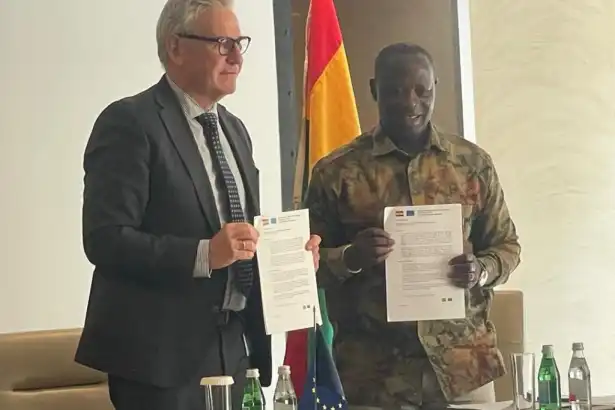
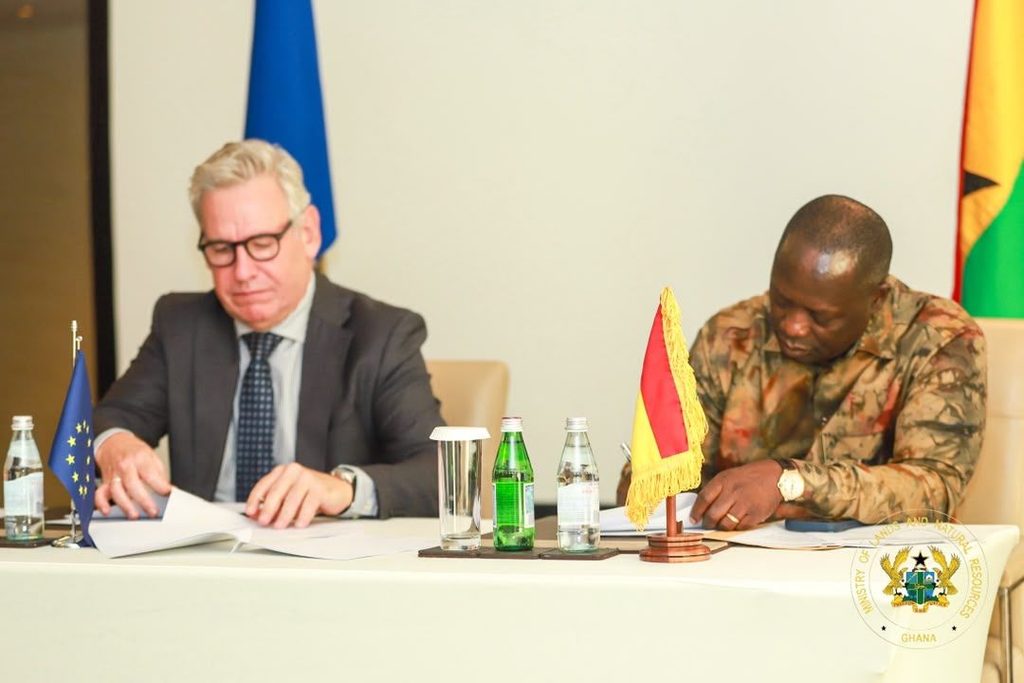
The technical session of the 14th JMRM was co-chaired by the Chief Executive of the Forestry Commission, Dr Hugh Brown, and the Head of Partnerships at the EU Delegation to Ghana, Silvia Severi.
The high-level political session was attended by the Minister of Lands and Natural Resources, Emmanuel Armah-Kofi Buah, EU Ambassador Rune Skinnebach and representatives of EU Member States.
Both parties reaffirmed their commitment to combating illegal logging, strengthening forest governance and promoting sustainable and deforestation-free supply chains.
For Ghana, the next challenge is to translate its achievements in timber legality and forest-based climate action into increased investment, industrial growth, job creation and sustainable livelihoods for forest-dependent communities.
The country’s ability to demonstrate not only that its timber is legally produced but also that it meets international deforestation-free standards will be critical to maintaining access to increasingly environmentally conscious markets.
By Peter Quao Adattor/paqmediagh