
African youth are demanding a greater voice in climate decisions and direct funding for locally led solutions, as a new report reveals widespread water insecurity, inadequate adaptation support and threats to livelihoods across the continent.
The report by the African Youth Water and Climate Engagement Initiative (AYWCEI) calls on global leaders to place water security at the centre of climate adaptation planning and financing.
The initiative, led by the Green Africa Youth Organisation (GAYO), with support from the Children’s Investment Fund Foundation (CIFF), surveyed 1,209 young people across 51 African countries.
It also held five sub-regional consultations involving 984 participants from West, Central, East, North and Southern Africa.
Young Africans Left Out of Climate Decisions
The findings paint a troubling picture of the challenges facing young Africans.
According to the report, 76 per cent of respondents say they have no meaningful influence over decisions affecting water and climate change.
Another 52 per cent believe their communities are poorly prepared to cope with climate impacts.
Nearly three in ten respondents, representing 29 per cent, report losing or being at risk of losing livelihoods that depend on water.
Despite growing youth involvement in climate action, only nineper centt of respondents know of a youth-led initiative that has received funding.
The findings raise concerns about the gap between global climate commitments and the realities facing young people in vulnerable communities.
Water Insecurity Threatens Girls and Livelihoods
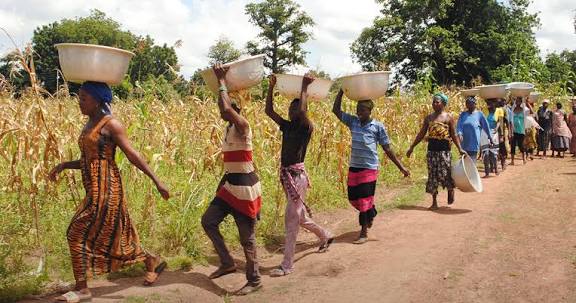
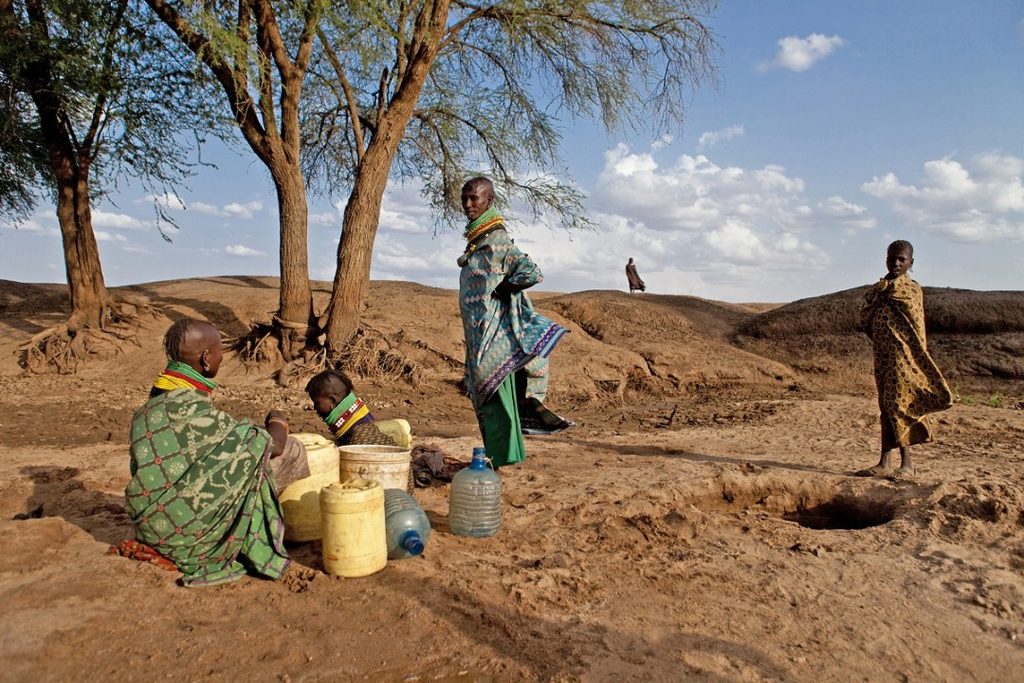
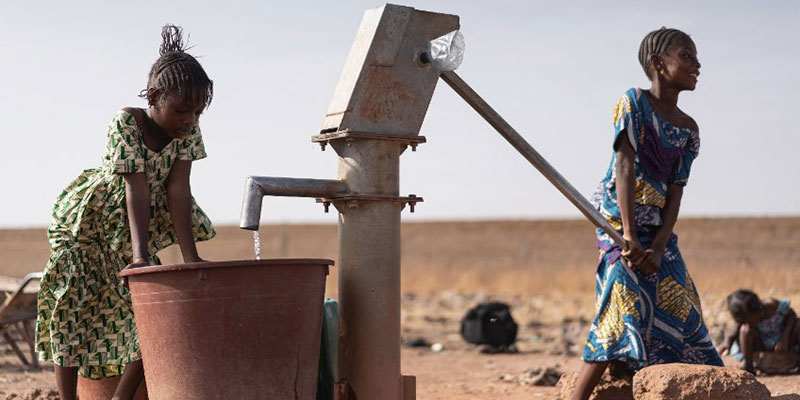
Beyond the statistics are the daily struggles of families forced to travel long distances in search of water.
For young girls, the burden can be particularly severe.
Emmanuella Chukwudi, a young participant from Nigeria, described how water shortages expose girls in her community to additional risks.
“The young girls in my community are mostly affected, as they are laden with the responsibility of fetching water from neighbouring communities or even a farther location,” she said.
She recounted an alleged assault involving a girl who had travelled to another village to fetch water and was later discovered to be pregnant.
Chukwudi said farmers were also suffering from water-related challenges.
Her account highlights how water insecurity can affect education, personal safety, agriculture and household livelihoods.
Young People Want Funding, Not Just Recognition
GAYO’s Climate Director, Baliqees Salaudeen-Ibrahim, said the initiative seeks to understand Africa’s water challenges and identify how young people are responding.
“What we’re trying to understand is what the current water challenges are on the continent of Africa and how young people are responding to this problem,” she explained.
She said the organisation aims to identify youth-led solutions that can attract investment, expand into other communities and deliver lasting results.
The goal is to mobilise resources to support practical interventions.
Chief Executive Officer of CIFF, Kate Hampton, also stressed that young Africans are already taking action.
“They have actions that they’re taking in their communities, so we’re trying to show how young people are driving solutions, not just talking about solutions,” she said.
The initiative believes these efforts deserve greater financial and institutional support.
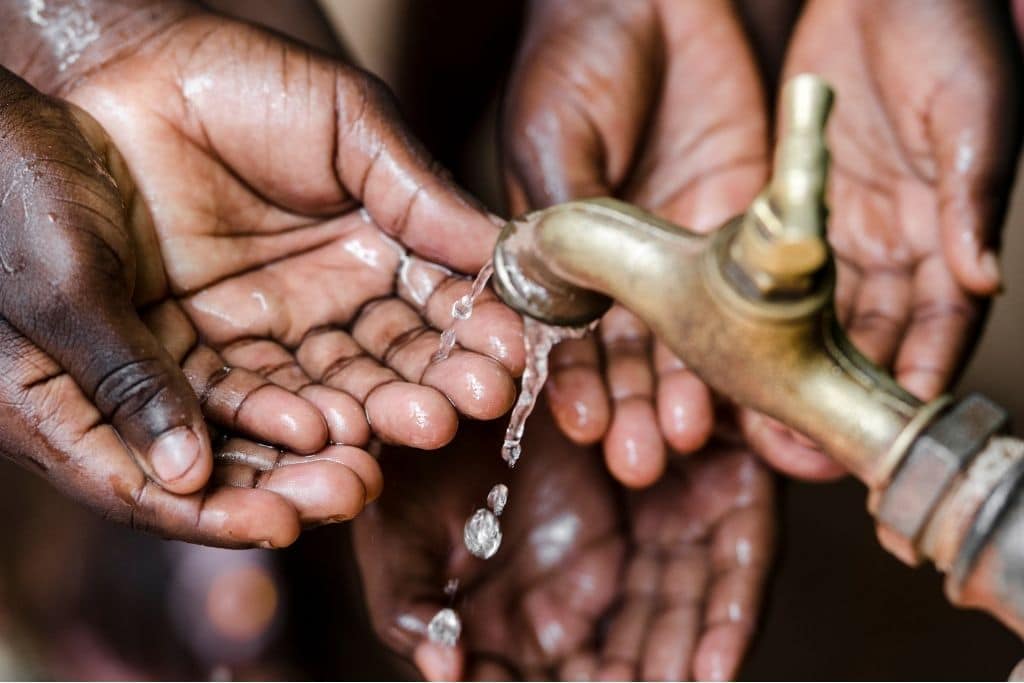
Water Must Be Central to Climate Adaptation
The report draws on AYWCEI’s African Youth Water and Climate Position Statement, which outlines 12 priorities covering water security, sanitation, climate adaptation, financing and water governance.
At the centre of the demands is a call for governments and development partners to recognise water as a critical part of climate resilience.
The initiative wants water-related projects to receive greater attention in national adaptation plans and international climate financing.
It also wants young people, particularly those in vulnerable communities, to participate meaningfully in decisions about resources and development priorities.
The findings reinforce calls for climate negotiations to move beyond commitments and deliver measurable improvements in communities.
Focus Shifts to UN Water Conference and COP32
The initiative plans to present its findings at the 2026 United Nations Water Conference in Abu Dhabi, scheduled for December 8 to 10.
The conference will bring together governments, development partners and other stakeholders to accelerate progress towards Sustainable Development Goal Six, which seeks clean water and sanitation for all.
AYWCEI also intends to advance its recommendations at COP32 in Addis Ababa in 2027.
Its focus will be on attracting investment for community-led water solutions and expanding successful initiatives across Africa.
For young Africans facing water shortages, declining livelihoods and growing climate risks, the message is clear.
Water security must become a funding priority, and young people must have a meaningful role in shaping the solutions.
The challenge now is to turn their demands into action that reaches the communities most at risk.
By Peter Quao Adattor/paqmediagh