
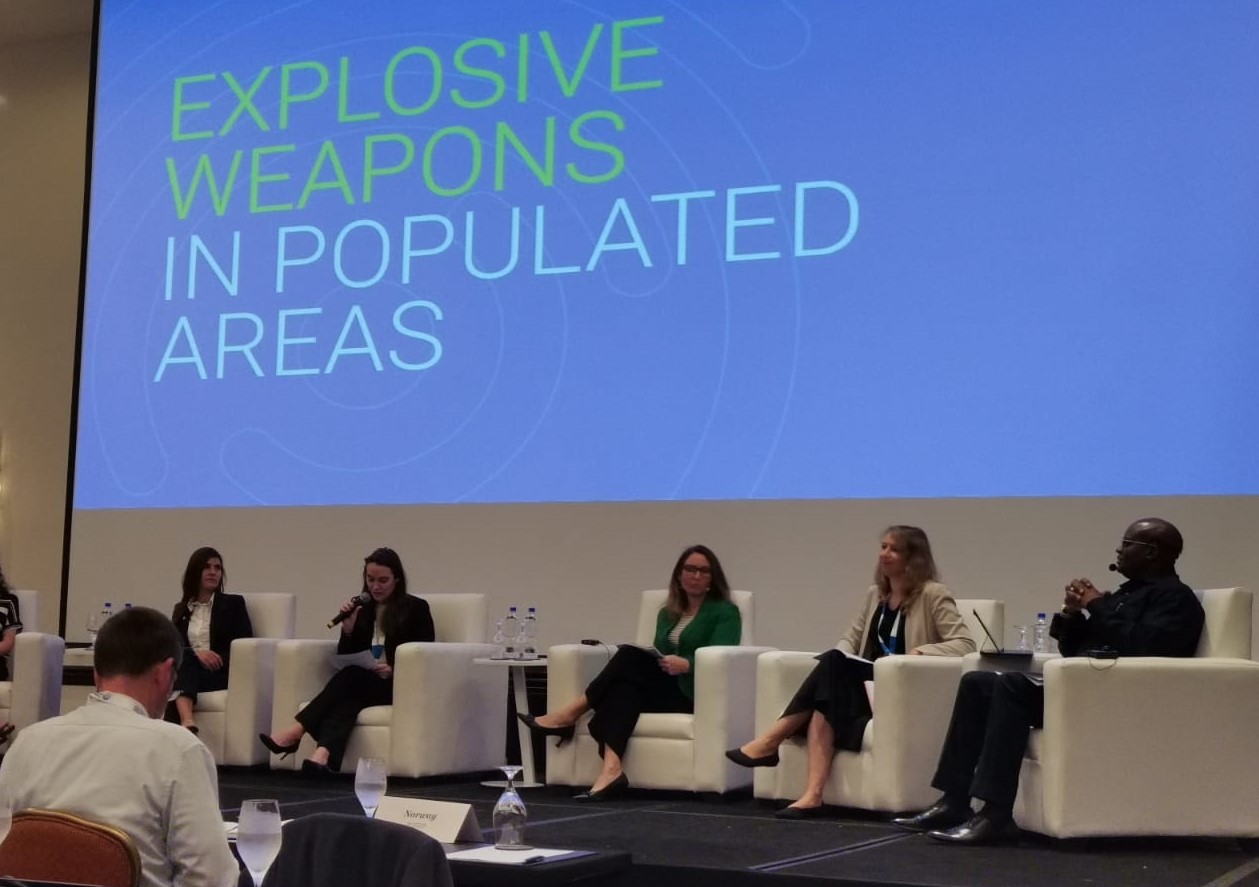
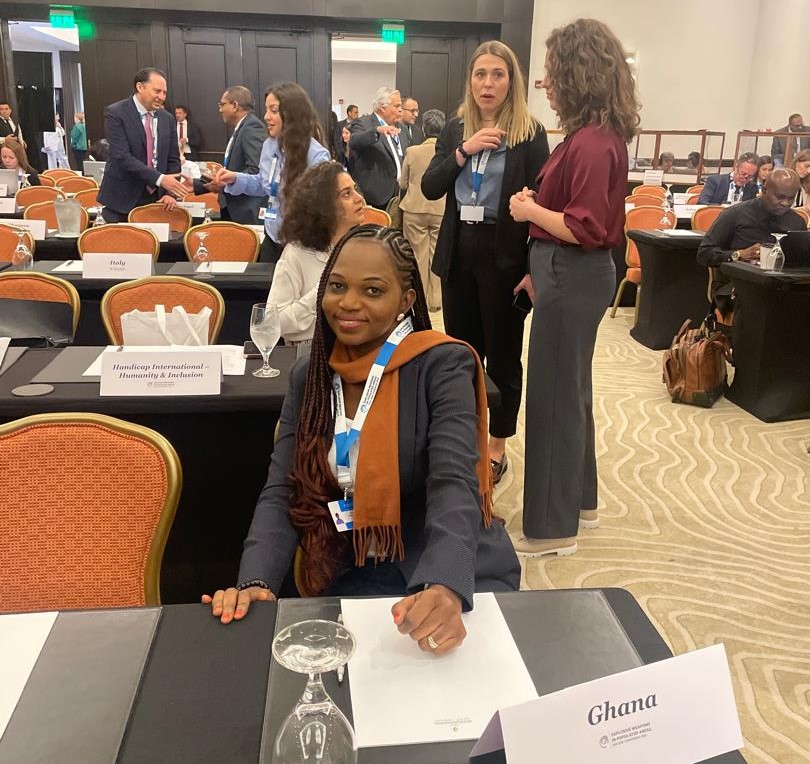
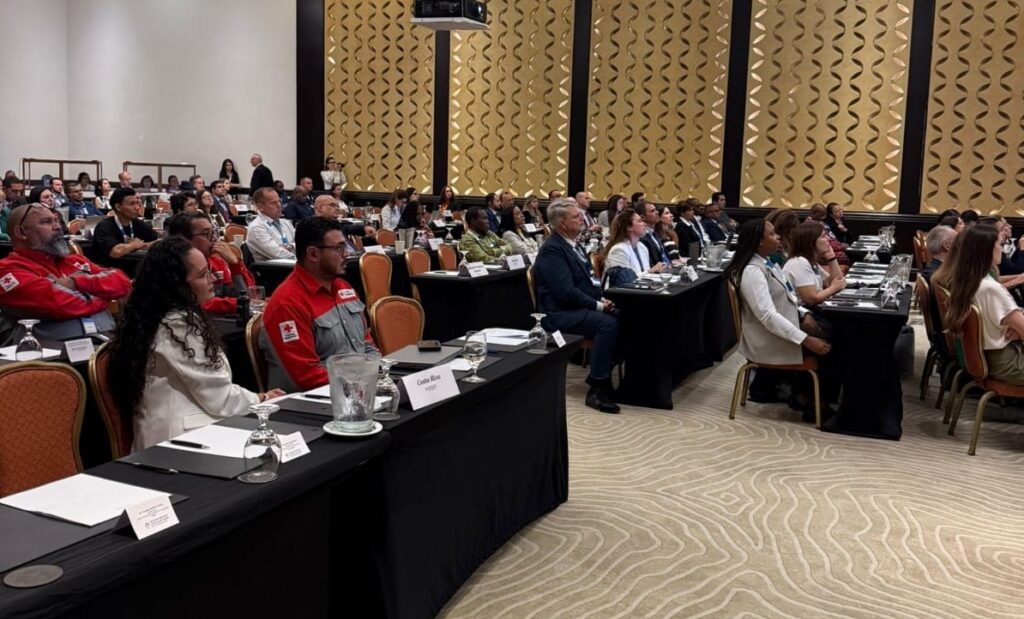
From November 18–20, 2025, Ghana, represented by the National Commission on Small Arms and Light Weapons (NACSA), actively participated in the Second International Conference on the Political Declaration on Strengthening the Protection of Civilians from Explosive Weapons in Populated Areas (EWIPA). The event, held in San José, Costa Rica, brought together more than 90 states, civil society groups, the United Nations, the International Committee of the Red Cross (ICRC), and other partners to assess progress and outline global strategies for reducing civilian harm in conflict zones.
High-Level Opening and New Endorsements
The official opening on November 19 featured keynote remarks from Costa Rica’s Vice Minister for Multilateral Affairs, Ambassador Alejandro Solano Ortiz, as well as statements from senior UN officials, including High Commissioner for Human Rights Volker Türk and UN High Representative for Disarmament Affairs Izumi Nakamitsu.
ICRC President Mirjana Spoljaric also addressed delegates.
During the endorsing ceremony, Honduras and Thailand formally joined the EWIPA Declaration, while Mozambique announced plans to do so. The growing support reflects mounting global concern over the devastating impact of explosive weapons—such as bombs, rockets, mortars, and improvised devices, when used in populated areas.
Beyond the immediate loss of life, these weapons destroy hospitals, schools, water systems, and other essential infrastructure, leaving long-term humanitarian, social, and environmental consequences. Ghana has long acknowledged these risks and remains engaged in international efforts to strengthen civilian protection as it works toward formally endorsing the EWIPA Declaration.
Ghana Reaffirms Commitment to Civilian Protection
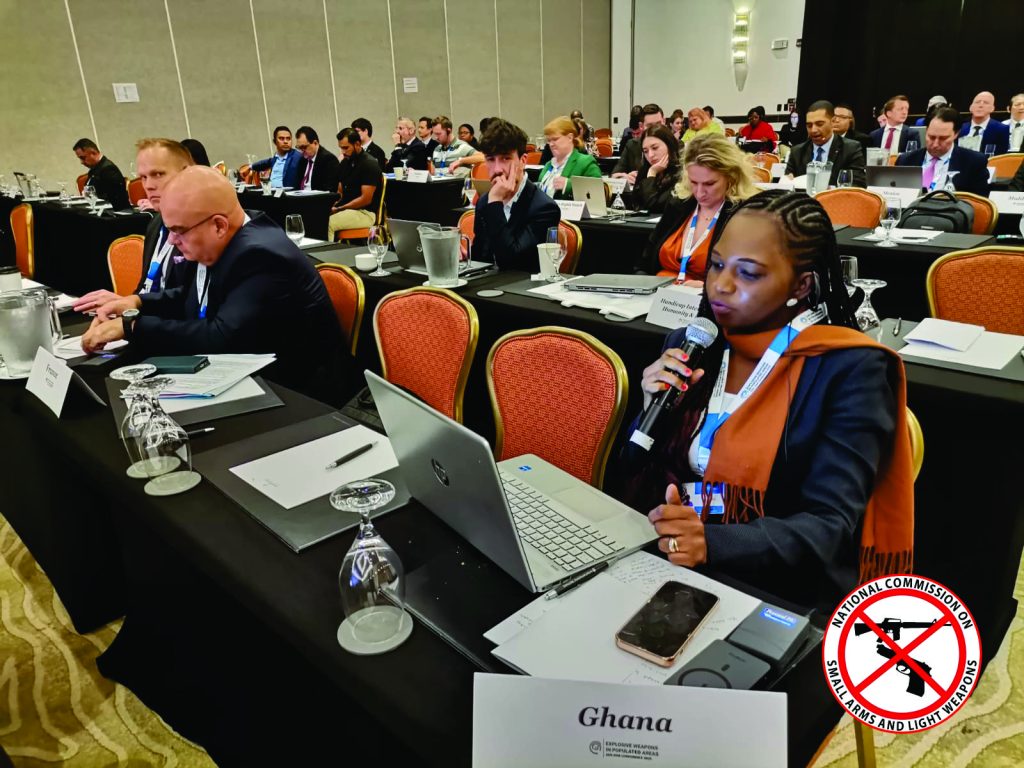
At the conference, Ghana delivered a national statement underscoring its dedication to minimizing civilian harm. Key priorities highlighted included:
- Developing context-specific national implementation plans
- Supporting victim assistance, rehabilitation, and long-term recovery
- Promoting global solidarity, cooperation, and capacity-building
- Strengthening transparent data collection and reporting on civilian casualties.
Engagement in the Protection Forum
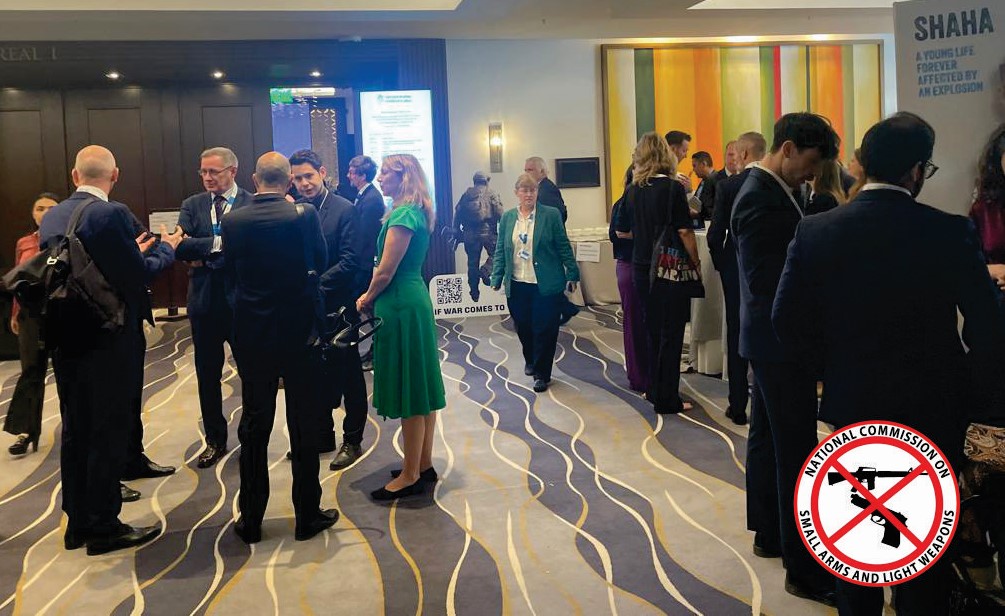
NACSA also participated in the Protection Forum organised by the International Network on Explosive Weapons (INEW). Discussions covered:
- National implementation strategies
- Victim assistance frameworks
- Civilian harm tracking and data systems
- Humanitarian access
- Military operational practices and safeguards
Ghana’s delegation explored opportunities to enhance national policies, empower institutional focal points, improve knowledge-sharing, and build capacity among security agencies to respond effectively to explosive weapon incidents.
A Roadmap to the Next Global Review
The conference concluded with a collective roadmap toward the Third International Conference, focusing on:
- Strengthening national policies and legal frameworks
- Enhancing monitoring and reporting systems
- Improving victim support and rehabilitation
- Expanding global endorsement of the EWIPA Declaration
Costa Rica, Ireland, and Norway urged all endorsing states to intensify their commitments and keep the protection of civilians at the center of global security efforts.
Positioning Ghana for Regional Leadership
Ghana’s participation reinforced its commitment to multilateral cooperation, humanitarian protection, and responsible security governance. NACSA’s involvement provided platforms to share best practices, deepen partnerships, and prepare for the country’s future formal endorsement of the EWIPA Declaration.
Looking forward, Ghana is well-positioned to play a leading role in promoting civilian protection across Africa, advancing capacity building, encouraging regional cooperation, and supporting global efforts to reduce the devastating impact of explosive weapons in populated areas.
Source: Small Arms Commission