

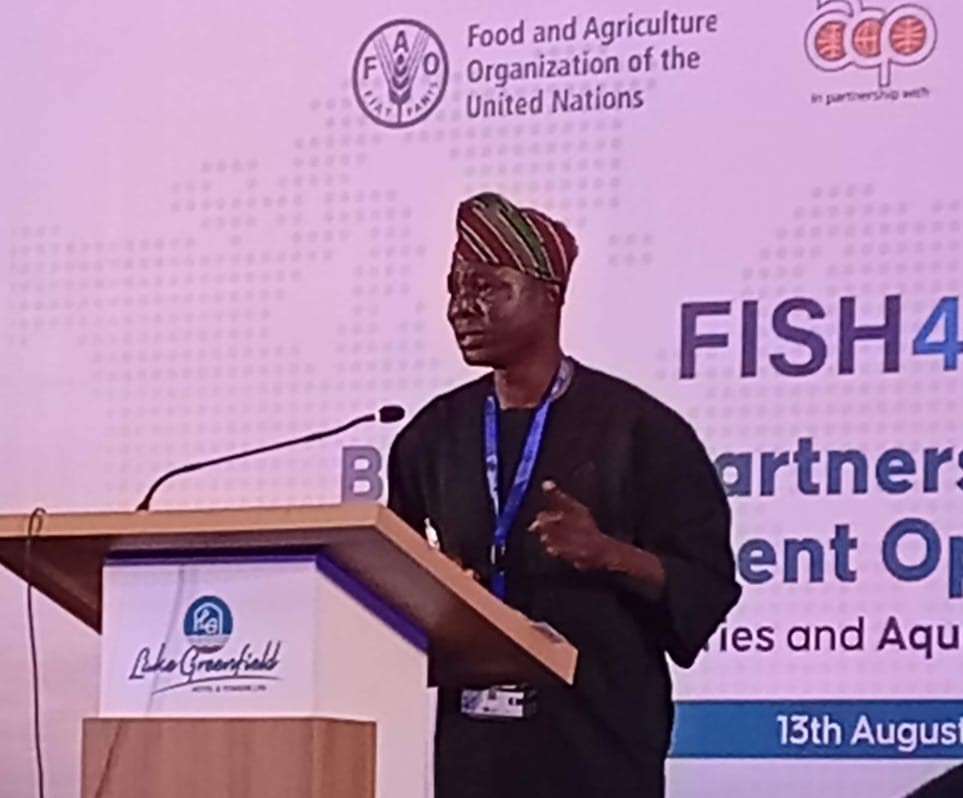
The Aquaculture Association of FCT and Environs (AQUAFEN) is calling for stronger partnerships, increased investment and targeted policy support to address persistent challenges confronting Nigeria’s fisheries and aquaculture value chain.
The call follows AQUAFEN’s participation in the Fisheries and Aquaculture Partnership Multi-Stakeholder Platform (FAMP) Dialogue held in Abuja under the theme: “Building Partnerships to Unlock Investment Opportunities in the Fisheries and Aquaculture Value Chain.”
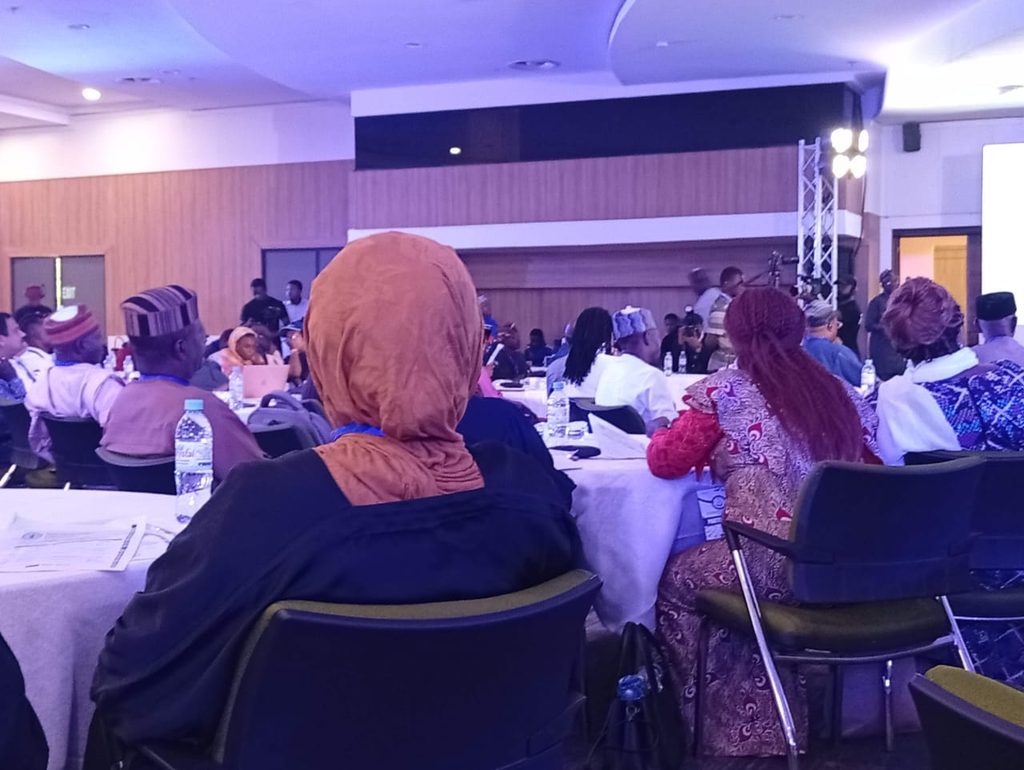
The dialogue brought together government agencies, private-sector players, financial institutions, development partners and aquaculture practitioners to identify practical solutions to challenges affecting fish production, processing, financing and market access.
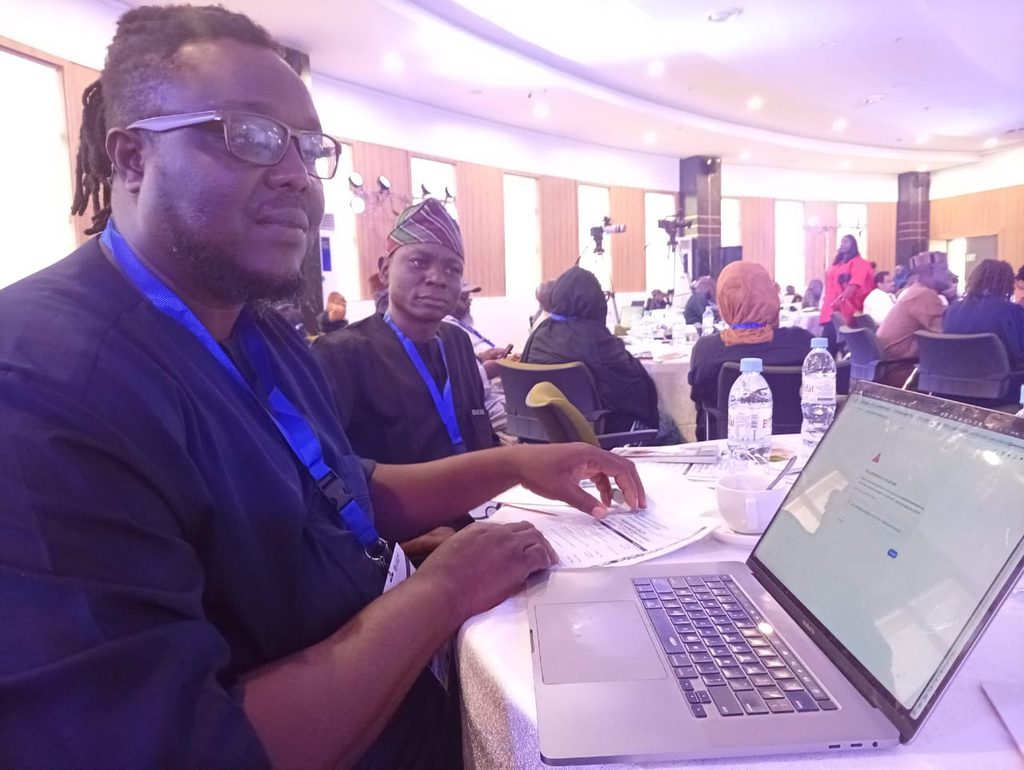
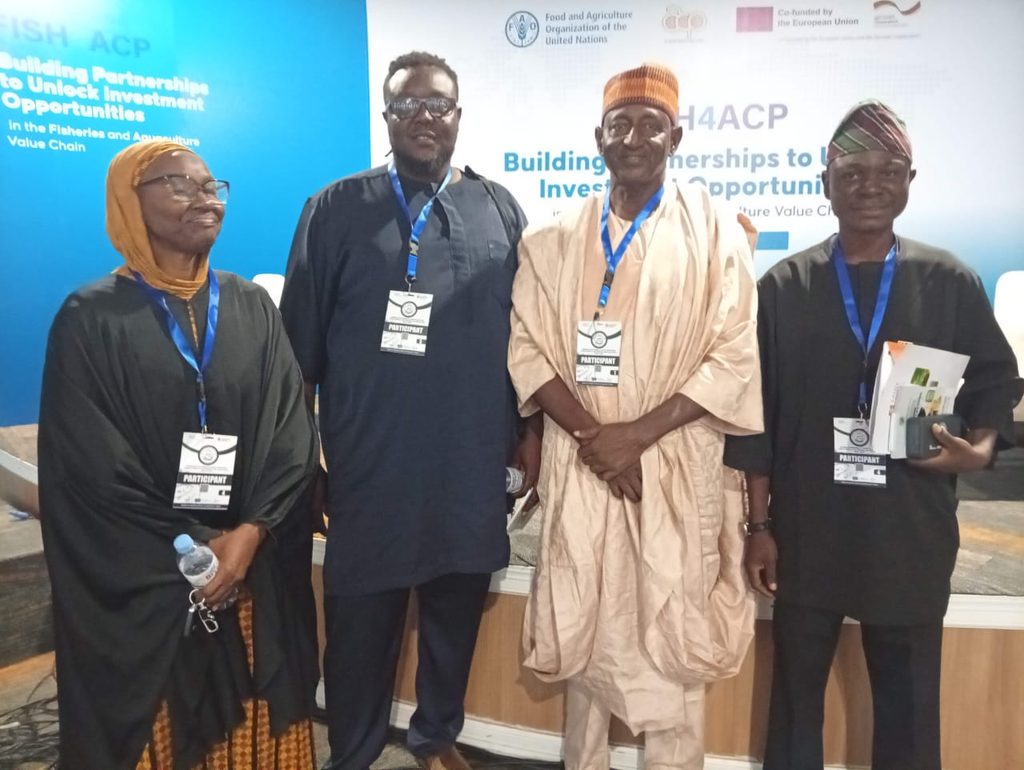
AQUAFEN was represented by its Executive Secretary, A.I.P. Aruoshla Lord, Director of Price and Quality Control, Anthony E. Udeh, Elder Hassan Mundu and Hajia Binta.
The programme was hosted by the Fisheries and Aquaculture Multi-Stakeholder Platform, with support from the Food and Agriculture Organisation of the United Nations through the FISH4ACP Programme, and facilitated by Sahel Consulting.
High Feed Costs and Financing Challenges
A major concern raised during the dialogue was the rising cost of fish feed and other production inputs.
Stakeholders identified the increasing prices of fishmeal, soybean, maize and other additives as major factors driving up production costs and reducing the competitiveness of fish farmers.
The meeting also examined the impact of foreign exchange pressures caused by dependence on imported feed ingredients and premixes.
Participants explored alternative and locally available sources, including black soldier fly larvae, insect-based protein and agro-industrial by-products, as possible ways of reducing feed costs.
AQUAFEN said these challenges remain critical concerns for fish farmers across the Federal Capital Territory and surrounding areas, stressing the need for innovation, collaboration and collective production systems to improve efficiency.
Five Priorities for Growth
Stakeholders identified five key areas requiring urgent attention:
- Feed and Inputs: Improving the affordability, quality and availability of production inputs.
- Seed, Health and Biosecurity: Expanding access to quality fingerlings and strengthening disease prevention.
- Processing, Markets and Trade: Improving value addition, market access and compliance with local and international standards.
- Finance and Investment: Creating more accessible and innovative financing opportunities across the value chain.
- Data, Standards and Knowledge: Strengthening sector data and evidence-based planning to guide investment and policy decisions.
Unlocking Finance for Fish Farmers
The dialogue also focused on the need for financing models capable of supporting the growth of the fisheries and aquaculture sector.
Participants called for greater use of blended finance, investment guarantees, patient capital and stronger involvement by development finance institutions.
Stakeholders argued that investment must extend beyond fish farmers to include feed producers, hatcheries, processors, aggregators, input suppliers and off-takers.
AQUAFEN believes improved access to finance could help farmers expand production, create jobs, improve food security and strengthen the contribution of aquaculture to Nigeria’s economy.
Push for More Aquaculture Sites
On the sidelines of the dialogue, the AQUAFEN delegation engaged the FCT Director of Fisheries on the need to allocate suitable waterway sites to aquaculture farmers.
The Director assured the association that the matter would be considered in consultation with the relevant authorities, including the Department of Parks and Recreation.
The association also held discussions with prospective partners and organisations on opportunities for future collaboration.
From Dialogue to Action
The meeting concluded with the adoption of a communiqué outlining commitments expected from government, private-sector actors and development partners.
AQUAFEN says it will engage its members through a dedicated association dialogue to translate the recommendations into practical strategies.
The association maintains that Nigeria’s aquaculture sector has enormous potential to improve food security, create employment, reduce poverty and support economic diversification.
However, it says unlocking that potential will require coordinated investment, supportive policies, affordable financing, reliable data and stronger public-private partnerships.
The release, signed by the Public Relations Officer, Ibrahim Babangida Lawal, reaffirmed AQUAFEN’s commitment to providing a platform for advocacy, knowledge-sharing and collaboration as it pushes for a more competitive and sustainable aquaculture industry across the FCT and beyond.
By Peter Quao Adattor/paqmediagh