
Veterinary professionals are calling for urgent government intervention to address severe staffing shortages, inadequate infrastructure and outdated legislation, warning that the challenges could undermine Ghana’s food security, livestock production and ambitious 24-hour economy agenda.
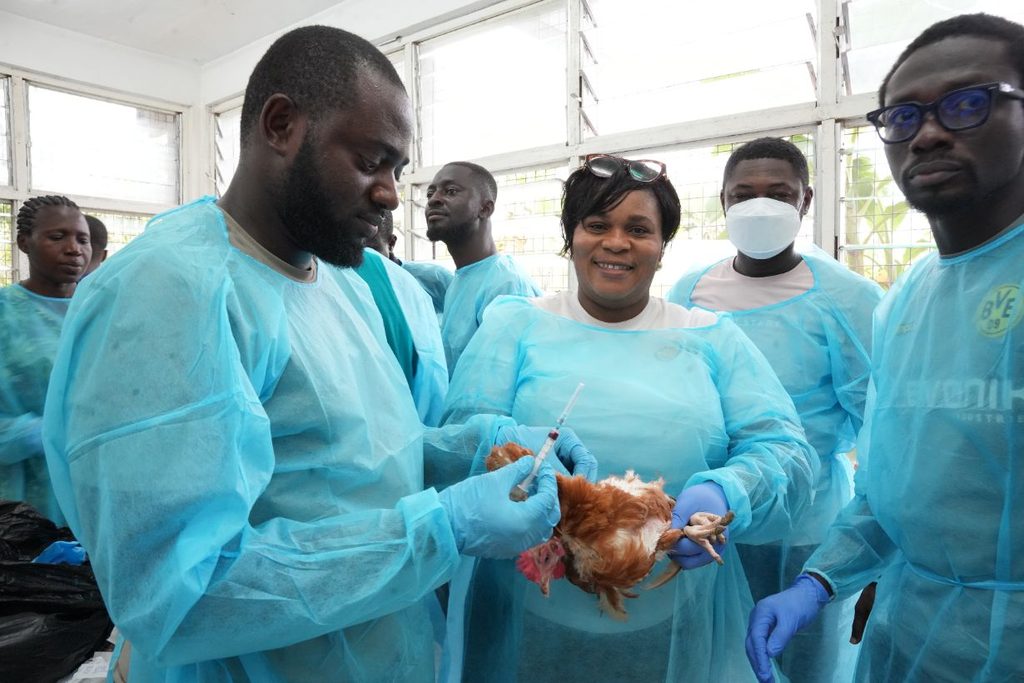
Ho, Volta Region: The Ghana Veterinary Medical Association (GVMA) has raised serious concerns about the country’s veterinary healthcare system, saying fewer than 80 veterinary surgeons serve a population of more than 33 million.
The association warns that the shortage, coupled with inadequate veterinary facilities, logistical constraints and outdated legislation, poses significant risks to animal health, disease surveillance, meat inspection and the government’s agricultural transformation programmes.
It says the situation could undermine the success of the government’s 24-Hour Economy initiative and the Poultry and Livestock Initiative under the Feed Ghana Agenda if urgent interventions are not implemented.
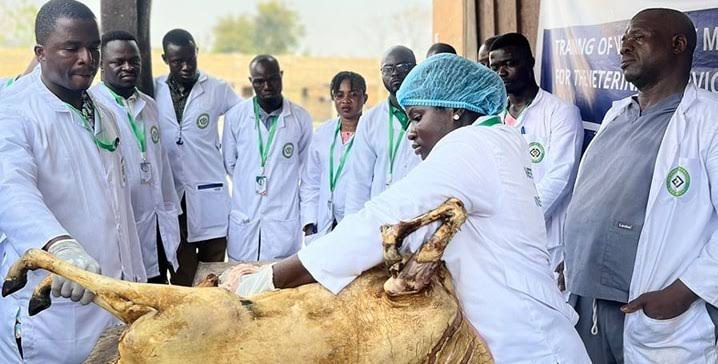
The association contained these concerns in a communiqué issued after its 52nd Annual General Meeting, held from October 28 to 30, 2026, in Ho, the Volta Regional capital.
The meeting was held under the theme “Building a Resilient 24-hour Economy: Empowering the Veterinary Front-line through Modern Technology and Innovation.”
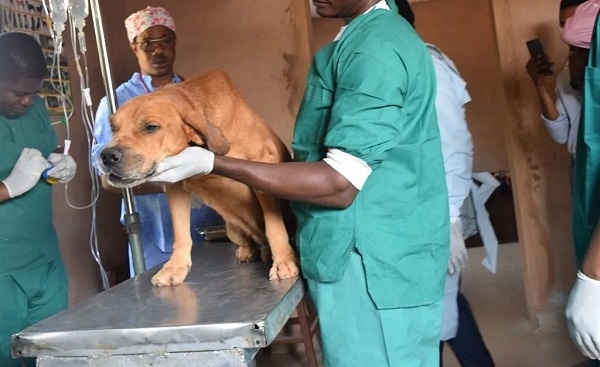
Critical Shortage of Veterinary Professionals Threatens Animal Healthcare
According to the GVMA, the shortage of qualified veterinary personnel has created significant gaps in service delivery, particularly in rural communities where livestock farming is a major source of livelihood.
The association says the situation is affecting essential services, including animal disease prevention, veterinary extension, meat inspection and emergency response to disease outbreaks.
It is therefore calling for an extensive recruitment exercise to strengthen veterinary services nationwide.
The proposed recruitment should cover not only veterinary surgeons but also veterinary nurses, technologists, laboratory technicians and animal health officers.
The GVMA believes a multidisciplinary workforce is essential to strengthening animal healthcare, improving disease surveillance and supporting livestock production.
It also wants the government to introduce incentives to encourage young veterinary graduates to establish private practices in underserved rural communities.
These should include accessible soft loans and vehicle hire-purchase arrangements to improve mobility and enable veterinary professionals to reach farmers in remote areas.
The association argues that addressing district-level staffing shortages would help reduce the migration of qualified professionals and discourage reliance on unqualified practitioners.
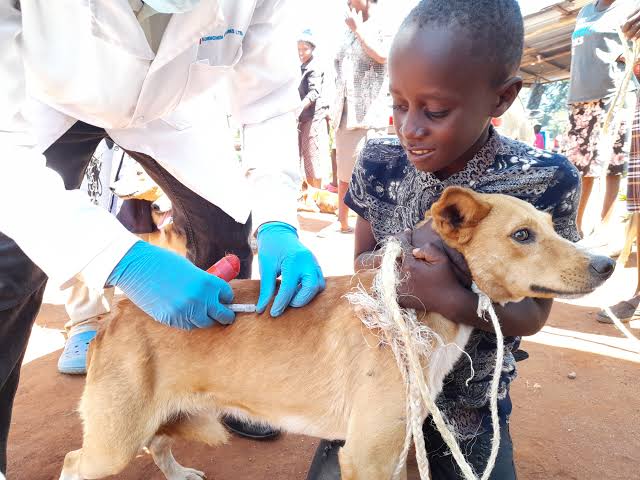
Government Urged to Establish Veterinary Facilities in Six New Regions
Beyond the shortage of personnel, the GVMA is demanding the establishment of fully operational and properly equipped veterinary departments and animal clinics in Ghana’s six newly created regions.
It says underserved Metropolitan, Municipal and District Assemblies must also receive adequate veterinary infrastructure to improve access to animal healthcare.
The association believes these investments are necessary to support livestock farmers, strengthen disease control and improve food safety across the country.
It has also raised concerns about the alleged encroachment, rezoning and sale of lands and facilities designated for veterinary services.
The GVMA is calling on the Ministry of Local Government, Decentralisation and Rural Development and the Ministry of Food and Agriculture to halt all unauthorised interference with veterinary properties.
It maintains that protecting these facilities is essential to the long-term development of Ghana’s animal health system.
GVMA Demands Urgent Passage of Animal Health Bill
The association is also pressing the government to expedite the passage of the Animal Health Bill to replace the Diseases of Animals Act, 1961 (Act 83).
According to the GVMA, the existing legislation is outdated and inadequate for addressing the complexities of modern veterinary practice and emerging animal health threats.
It argues that a new legal framework would strengthen biosecurity enforcement, regulate professional standards and improve the country’s capacity to respond rapidly to animal disease emergencies.
The proposed legislation would also provide a framework for modern veterinary innovations, including tele-veterinary services.
The association says the passage of the bill is critical to building a more effective and responsive veterinary system.
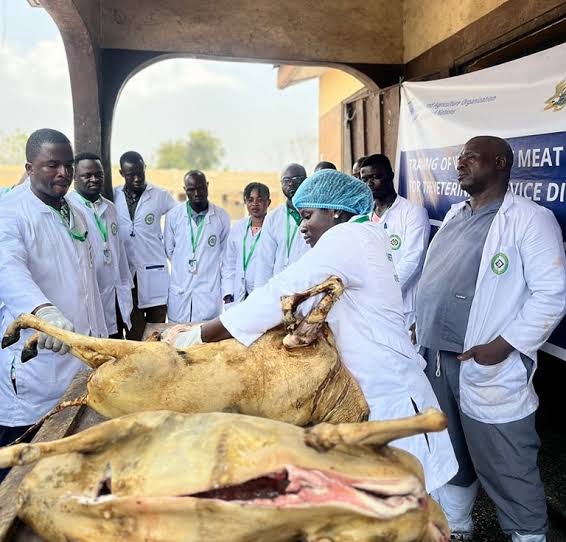
Disease Outbreaks: Association Calls for Artificial Intelligence and Digital Surveillance
As Ghana seeks to modernise its agricultural sector, the GVMA is urging the government to embrace digital technology and innovation in animal healthcare.
It is advocating the deployment of artificial intelligence-driven predictive disease surveillance systems to improve the detection and monitoring of animal diseases.
Among the major threats identified are African Swine Fever and Avian Influenza, which can cause serious losses to livestock and poultry production.
The association believes modern surveillance systems could improve early detection, strengthen preparedness and support timely interventions against transboundary animal diseases.
It is also calling for the establishment of a National Livestock Traceability System to improve animal identification, monitoring and disease-control efforts.
Such a system, it argues, would support more effective livestock management and strengthen the country’s agricultural value chain.
Veterinary Services Department Needs Greater Financial Independence
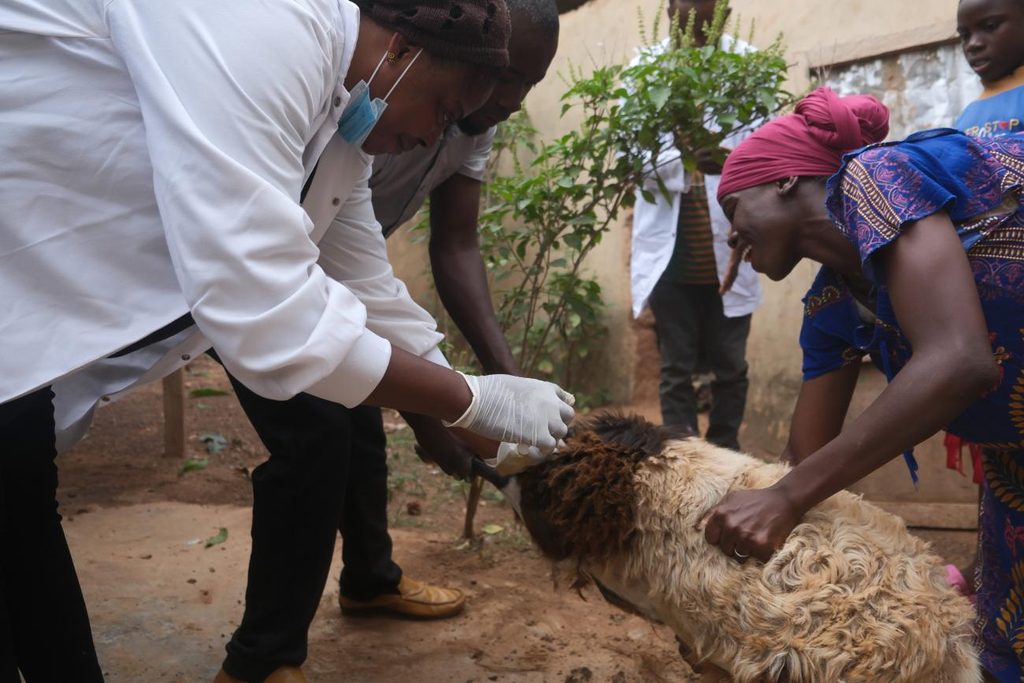
The GVMA is further demanding increased financial autonomy for the Veterinary Services Department.
It wants the department’s revenue-retention capacity raised to 60 per cent to enable it to reinvest more of its internally generated funds into essential operations.
The association says the additional resources would support district-level logistics, operational vehicles and cold-chain storage facilities needed to preserve vaccines.
It believes improved financial flexibility would strengthen service delivery and reduce some of the operational constraints affecting veterinary professionals.
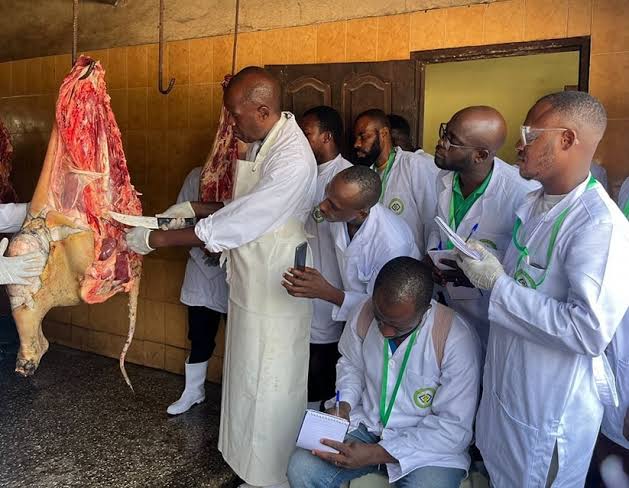
Food Security and 24-Hour Economy at Risk
The association maintains that Ghana’s ambition to expand livestock production, strengthen food security and establish a resilient 24-hour economy cannot succeed without a well-resourced veterinary system.
It argues that veterinary professionals are central to protecting livestock, preventing animal diseases, ensuring meat safety and supporting agricultural productivity.
The GVMA is therefore calling for stronger political commitment, increased investment and coordinated reforms to address the challenges confronting the sector.
It has reaffirmed its readiness to collaborate with the government and relevant institutions to build a modern, sustainable and efficient animal health system.
For livestock farmers struggling to access veterinary care, poultry producers facing disease threats and consumers who depend on safe animal products, the association’s message is clear: strengthening veterinary services is not merely a professional demand but an investment in Ghana’s food security, public health and economic future.
By Peter Quao Adattor/paqmediagh