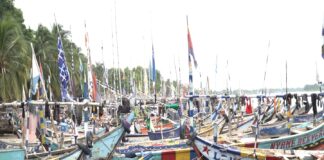

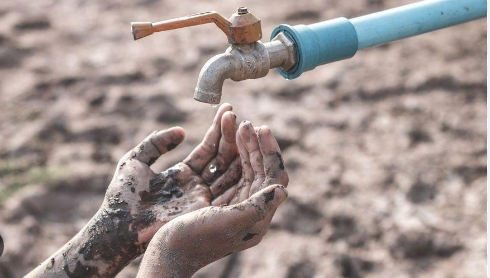
Climate and public-health experts are urging governments to act before the anticipated impacts of El Niño threaten food production, water security and public health, warning that inadequate preparedness could leave millions of vulnerable people exposed to worsening conditions.
Accra, Ghana: West African countries have been urged to strengthen their preparedness against the potential impacts of the 2026–2027 El Niño climate phenomenon, amid growing concerns over food insecurity, prolonged dry spells, water shortages and possible disease outbreaks.
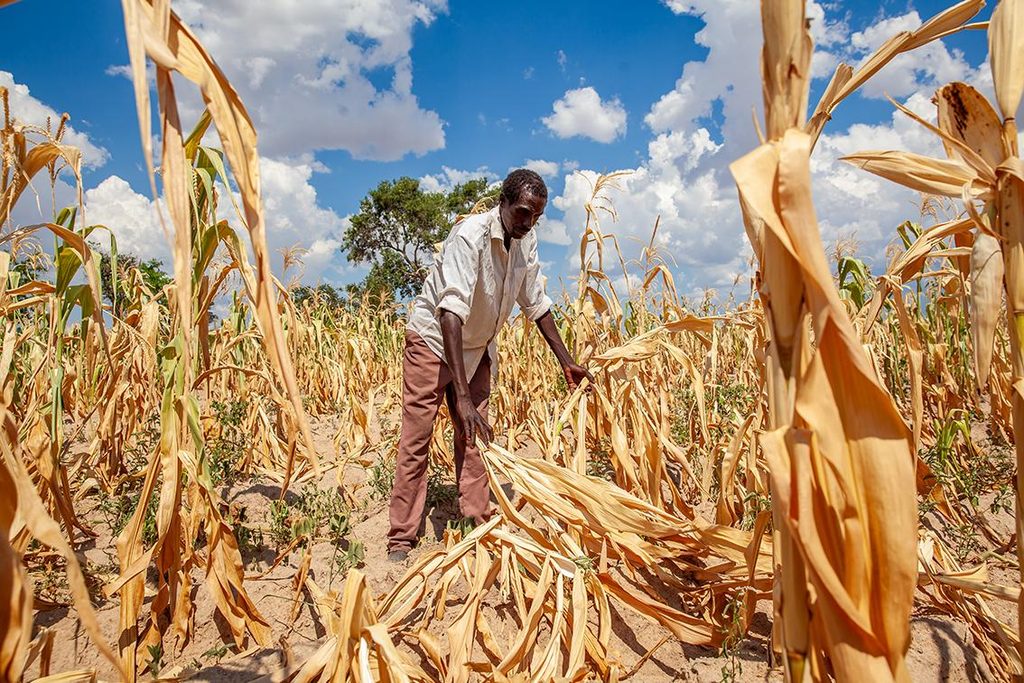
Climate and public-health specialists warn that delayed rainfall, rising temperatures and disruptions to agricultural production could put additional pressure on households already struggling with economic and environmental challenges.
They caution that failure to act early could expose vulnerable communities to crop failures, rising food prices, malnutrition and increased pressure on already stretched health systems.
The warning was issued during the third edition of the West African Journalists for Environment, Science, Health and Agriculture (WAJESHA) Expert Knowledge Exchange Series, held virtually on November 13, 2026.
The discussion, themed “El Niño 2026–2027: Understanding Its Implications for Ghana and West Africa,” brought together climate scientists, public-health experts and journalists to examine the potential consequences of the climate phenomenon and measures needed to minimise its impact.
The speakers included Dr Caleb Mensah, Senior Lecturer at the University of Energy and Natural Resources (UENR), and Dr Patrick Otim, Programme Area Manager for Emergency Response at the World Health Organization (WHO) Regional Office for Africa.
Both experts stressed that the scale of the potential crisis would depend largely on how quickly governments translate early warnings into practical interventions.
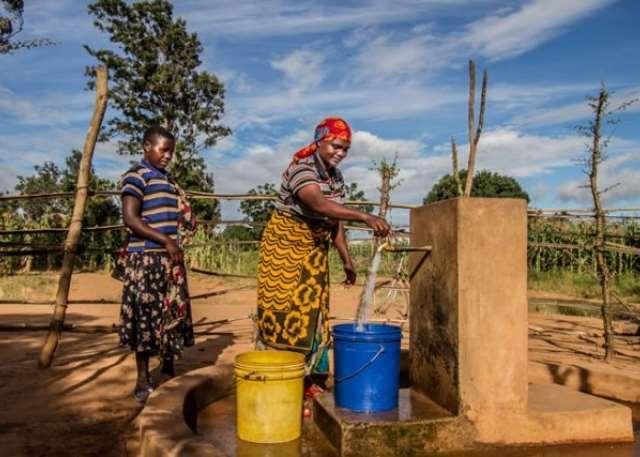
Farmers Face Uncertain Rainfall as El Niño Threatens Food Production
For thousands of smallholder farmers across West Africa, rainfall determines whether families will have enough food and income to survive.
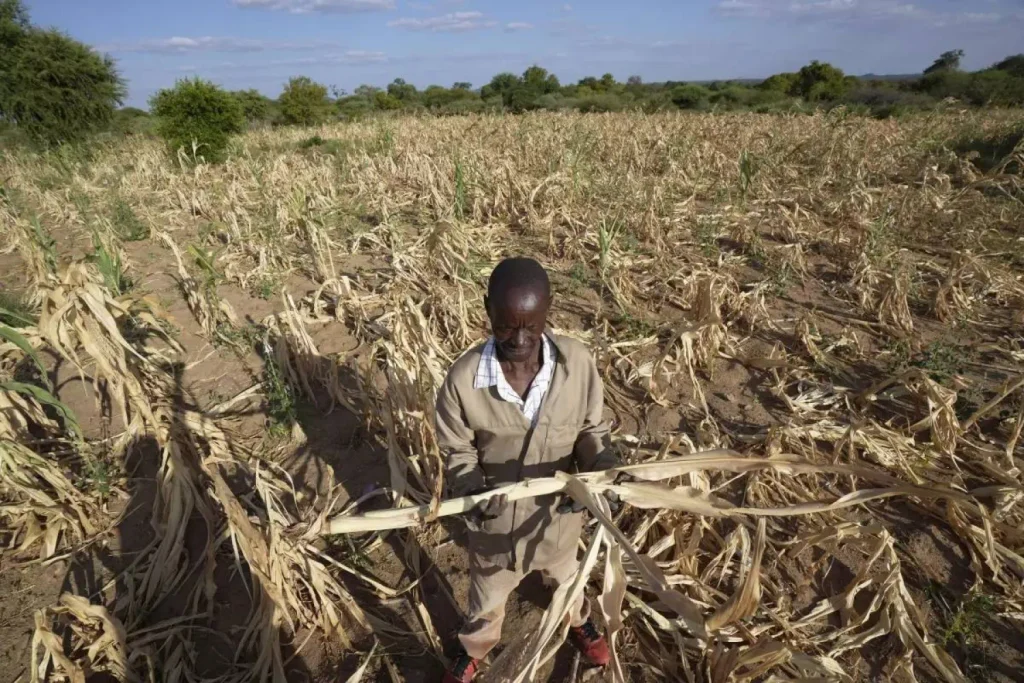
But the anticipated El Niño conditions could make farming increasingly unpredictable, particularly for communities that depend entirely on rain-fed agriculture.
Dr Caleb Mensah explained that El Niño forms part of the El Niño–Southern Oscillation (ENSO), a recurring climate pattern involving interactions between the Pacific Ocean and the atmosphere.
Although the phenomenon originates in the Pacific, its effects can influence rainfall and temperature patterns in other regions, including West Africa.
He warned that the region could experience below-normal rainfall, delayed onset of the main rainy season and prolonged dry spells.
One major concern is the possibility of farmers planting after the first rains, only to experience an extended dry period before the next rainfall.
“The interval between the first and second rainfall events could extend to two or three weeks,” Dr Mensah cautioned.
Such interruptions could affect crop germination, growth and yields, particularly where irrigation facilities are unavailable.
For farmers who invest their limited savings in seeds, fertilisers and land preparation, failed rains could mean losing an entire season’s investment.
The consequences could extend to food markets, where reduced agricultural output may affect food availability and prices.
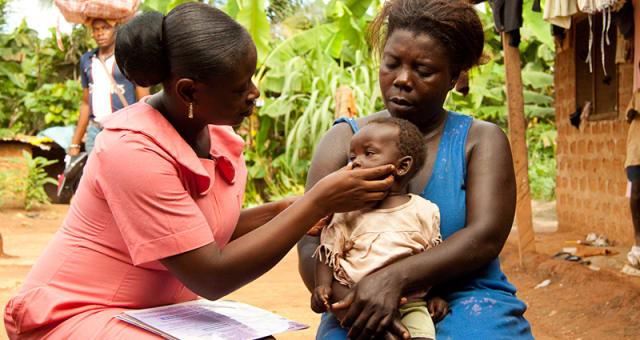
Drought-Resistant Seeds Could Help, but Access Remains a Challenge
Dr Mensah identified drought-tolerant seed varieties as one possible measure to help farmers cope with changing rainfall conditions.
He noted that Ghana’s Council for Scientific and Industrial Research (CSIR) has developed crop varieties capable of withstanding drought for longer periods.
However, he questioned whether enough farmers would have access to these improved seeds when they need them.
“The CSIR has developed seed varieties that can withstand drought for longer periods. The question is how many farmers will have access to these seeds,” he said.
He also raised concerns about agricultural pests that may thrive under high-temperature and low-water conditions.
These include termites, army ants and other insects that could further threaten crops already under stress.
He urged agricultural authorities to strengthen extension services, identify appropriate pest-control measures and ensure farmers have access to the necessary resources.
The climate scientist emphasised that early preparation would be critical in reducing potential losses.
“The extent of the impact will depend on the measures we put in place. That is why our efforts must begin now,” he stressed.
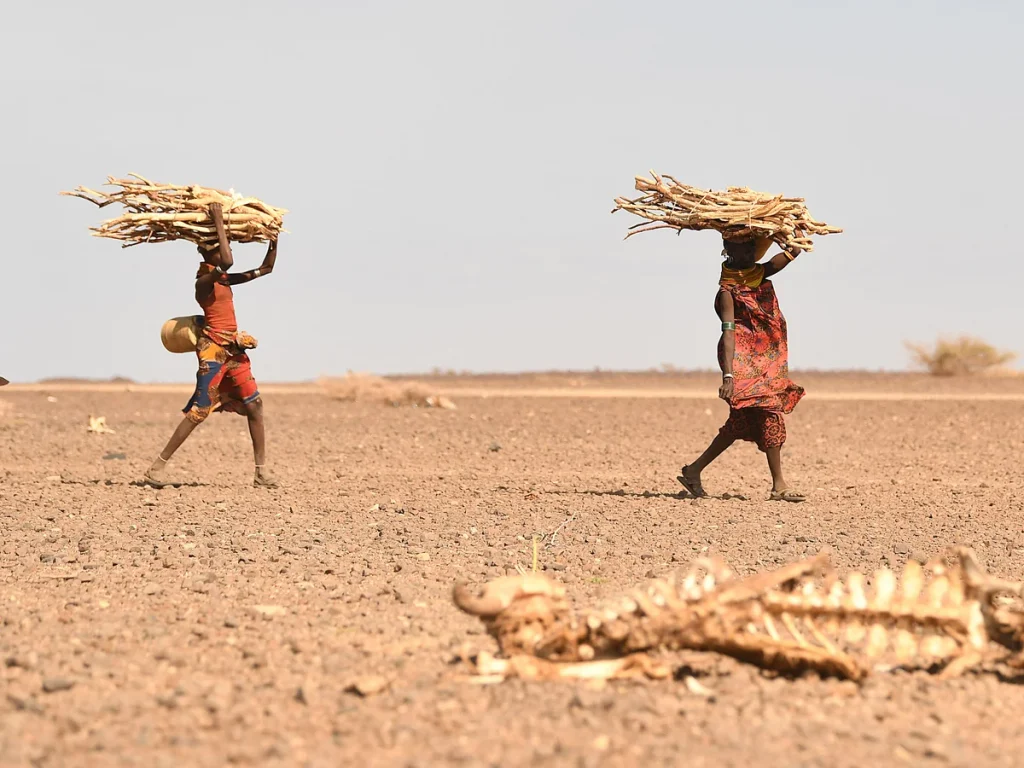
Water Shortages and Hydroelectricity Under Threat
Beyond agriculture, experts are concerned about the implications of reduced rainfall for water supplies and electricity generation.
Dr Mensah warned that prolonged dry conditions could affect rivers, reservoirs and other hydrological systems.
He noted that Ghana’s dependence on hydroelectricity makes changes in rainfall and water inflows particularly important.
Reduced rainfall could affect water levels and inflows into the Volta and Lower Volta systems, with potential implications for electricity generation.
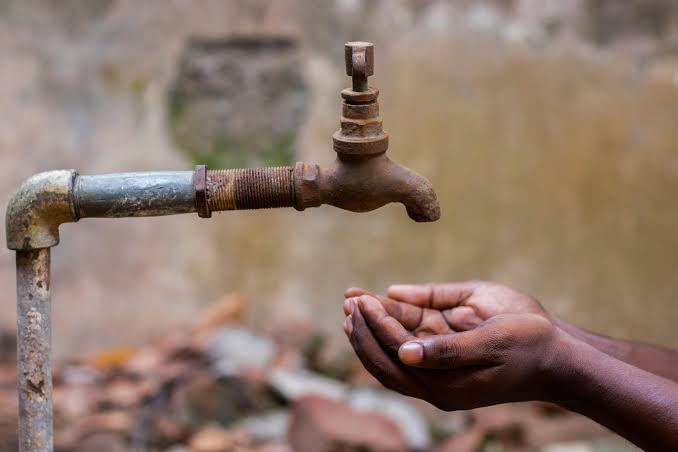
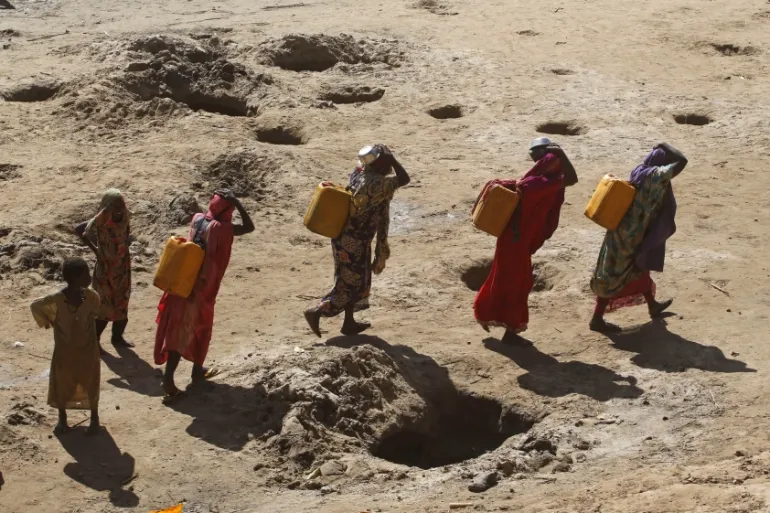
Communities that depend on rivers, boreholes and other local water sources could also face difficulties if prolonged dry spells reduce water availability.
The potential consequences highlight the need for coordinated planning among water-management institutions, energy authorities, agricultural agencies and disaster-response organisations.
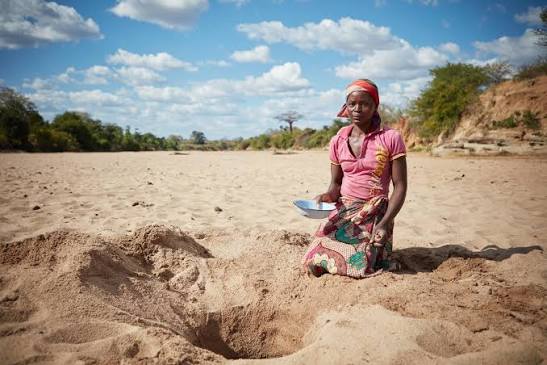
WHO Warns of Disease Outbreaks and Growing Pressure on Health Systems
While farmers face uncertainty over rainfall and crop production, health authorities are equally concerned about the potential consequences for public health.
Dr Patrick Otim of the WHO Regional Office for Africa warned that climate-related emergencies are placing increasing pressure on health systems across the continent.
He explained that El Niño acts as a risk modifier, meaning its health consequences depend on the climate hazards experienced, the vulnerability of affected populations and the capacity of health systems to respond.
Potential risks include heat-related illnesses, malnutrition, waterborne and foodborne diseases, and vector-borne infections.
Flooding and landslides, where they occur, could also cause injuries, deaths and damage to health facilities while disrupting access to essential healthcare services.
Dr Otim disclosed that WHO had classified the event at Grade 3 under its internal three-level emergency grading system, the highest level, according to his briefing.
He further indicated that the organisation was supporting 18 countries with readiness assessments to identify gaps in preparedness and strengthen response capacities.
Despite these interventions, he expressed concern about the region’s overall readiness.
“I do not think any country in West Africa is fully prepared to deal with this,” he said.
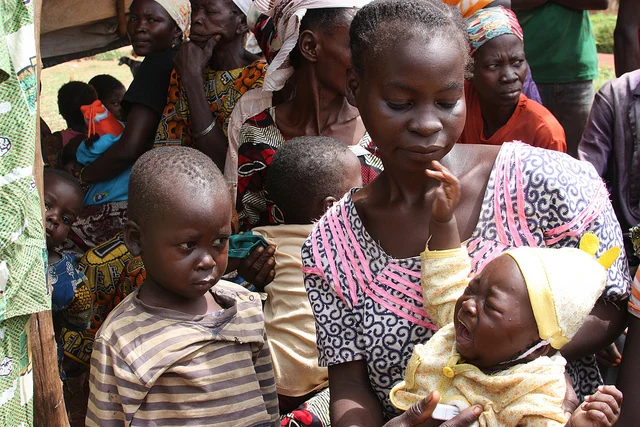
Food Insecurity Could Push Vulnerable Families Towards Malnutrition
One of the most troubling concerns raised during the discussion was the potential impact of reduced agricultural production on household nutrition.
Dr Otim warned that inadequate food reserves and weak storage systems could make it difficult for some countries to respond effectively to food shortages.
He urged governments to strengthen national food reserves and consider social protection measures for populations most likely to suffer severe food insecurity.
The concern is particularly significant for children, pregnant women, older people and low-income households whose access to nutritious food may already be limited.
A poor harvest could reduce food availability while increasing household expenditure, forcing vulnerable families to make difficult decisions about what they can afford to eat.
Dr Otim therefore called for stronger coordination among health, agriculture, water and disaster-management institutions.
He recommended the establishment of national task forces, contingency plans, vulnerability assessments and risk maps to guide preparedness.
He also called for the pre-positioning of essential supplies and arrangements to protect critical health services before emergencies occur.
Meningitis Alert: Ghana and Other Countries Urged to Strengthen Surveillance
Another major concern is the possibility of increased meningitis risks during dry conditions.
Dr Otim noted that Ghana lies within Africa’s meningitis belt, where outbreaks of meningococcal meningitis have historically been associated with dry-season conditions.
He urged health authorities to strengthen disease surveillance to ensure suspected cases are detected early, investigated and appropriately managed.
“Effective surveillance is essential for detecting the first cases and enabling a timely response,” he said.
He explained that identifying the bacteria responsible for suspected meningitis cases is important for determining appropriate public-health interventions, including vaccination where indicated.
Members of the public experiencing symptoms such as severe headache, neck pain or neck stiffness were encouraged to seek prompt medical attention.
Dr Otim also stressed the importance of monitoring other public-health threats, including yellow fever, respiratory complications and malnutrition.
He said early detection and rapid response would be essential to preventing avoidable illness and deaths.
Remote Communities and Urban Poor Face Greater Risks
The WHO official expressed particular concern about communities with limited access to healthcare.
He identified displaced populations, residents of underserved peri-urban communities and people living in densely populated settlements with inadequate housing as groups that may require additional support.
He urged governments to use risk assessments and vulnerability mapping to identify areas where populations could be disproportionately affected.
For communities far from hospitals and health centres, he recommended mobile health services, outreach programmes and temporary clinics where necessary.
Such interventions could provide nutrition screening, disease surveillance and basic medical services closer to vulnerable populations.
However, he stressed that these arrangements would require advance planning, trained personnel, medical supplies and adequate resources.
Experts Demand Early Government Action, Not Last-Minute Emergency Responses
Both experts agreed that preparedness must begin before the anticipated climate hazards materialise.
Dr Mensah said governments and other stakeholders must act on available scientific information rather than wait for crop failures or water shortages before responding.
Dr Otim similarly called for a whole-of-government approach involving public-health authorities, agricultural institutions, water-management agencies and disaster-response organisations.
Among the recommended priorities were strengthening early-warning systems, improving food reserves, supporting vulnerable farmers, developing emergency-response plans and protecting essential health services.
The experts maintained that coordinated interventions could help reduce the human and economic consequences of climate-related emergencies.
Their central message was that early action would be more effective than waiting until communities were already facing severe hardship.
Journalists Challenged to Turn Climate Warnings into Practical Information
The discussion also highlighted the responsibility of journalists to help communities understand climate risks and the steps they can take to protect themselves.
Dr Otim urged journalists to translate complex scientific and medical information into simple, practical messages that ordinary people can understand.
He encouraged the use of local languages and community-focused reporting to explain issues such as safe drinking water, protection from extreme heat, mosquito-bite prevention and when to seek medical attention.
“The next step is to take this information to communities and make it local and actionable,” he said.
However, he cautioned against sensational reporting that could create unnecessary fear.
“It is important to inform the public without creating panic. Informing without alarming is key,” Dr Otim advised.
Dr Mensah also emphasised the importance of media engagement in communicating climate risks and encouraging timely responses.
The experts called on journalists to verify scientific information, challenge misinformation and hold relevant institutions accountable for their preparedness commitments.
WAJESHA Seeks Stronger Science-Based Journalism in West Africa
The virtual engagement formed part of WAJESHA’s Expert Knowledge Exchange Series, which connects journalists with specialists in climate change, environmental protection, public health, science and agriculture.
The initiative seeks to improve journalists’ understanding of complex technical issues and strengthen evidence-based reporting across Ghana and the wider West African region.
WAJESHA is a non-profit journalism project of the Centre for Climate Change and Food Security (CCCFS).
The organisation says the knowledge exchange series is intended to equip journalists to communicate emerging risks accurately and help communities make informed decisions.
The Warning Is Clear: Act Before the Crisis Arrives
For millions of West Africans whose livelihoods depend on farming, reliable rainfall and access to basic healthcare, the potential effects of El Niño are more than a scientific concern.
They could determine whether farmers harvest enough food, whether families can afford basic necessities and whether health facilities are equipped to respond to emerging threats.
Although the precise impacts of the 2026–2027 climate conditions remain uncertain and will vary across locations, the experts insist that uncertainty should not become an excuse for inaction.
Their warning presents governments with a choice: invest in preparedness now or risk confronting more severe human and economic consequences later.
As the region faces the possibility of another period of climate-related disruption, the real test will be whether early warnings lead to early action—and whether vulnerable communities receive the support they need before a potential crisis unfolds.
Source: WAJESHA statement following its third Expert Knowledge Exchange Series.