

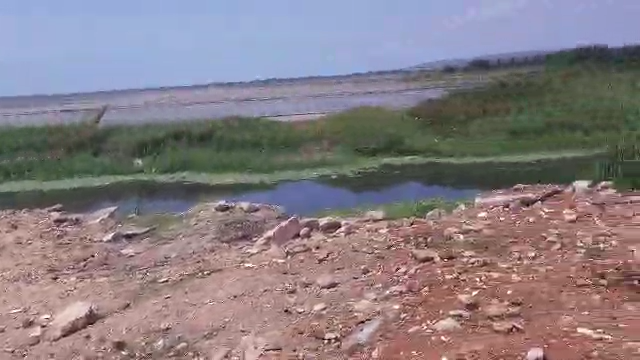
Assembly member warns of worsening floods as residents blame land filling for obstructing natural waterways.
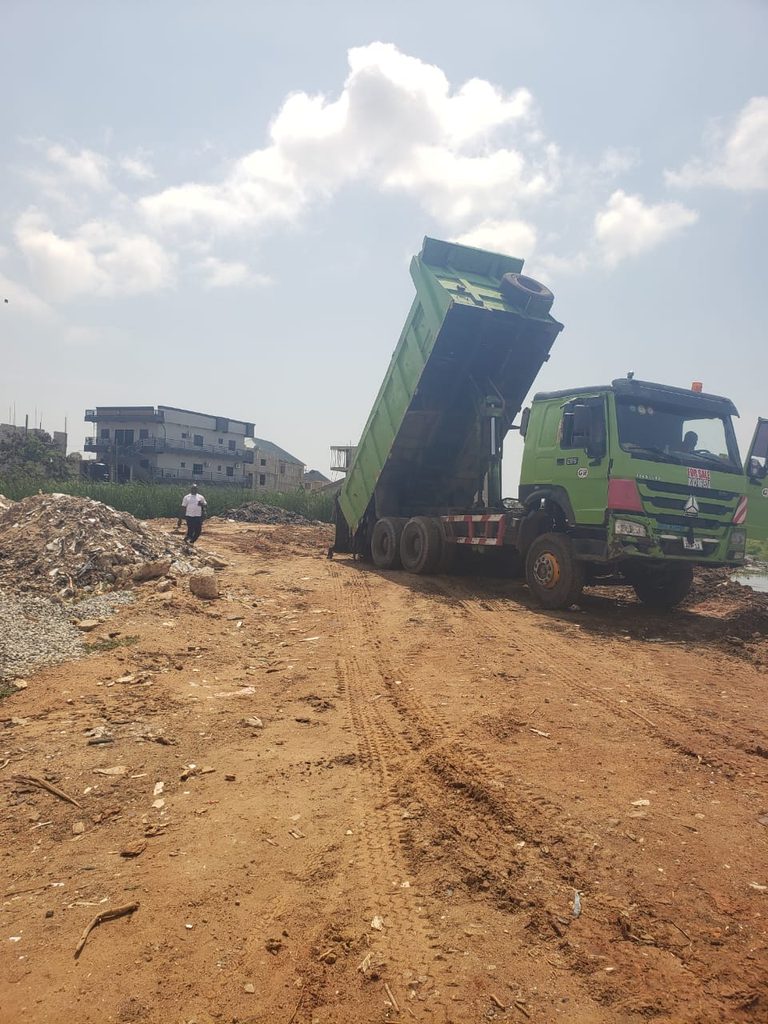
For residents of Opetekwei, Tunga and neighbouring communities, the threat of flooding is becoming more than a seasonal inconvenience. It is increasingly a threat to their homes, livelihoods and the economic activities that sustain the area.
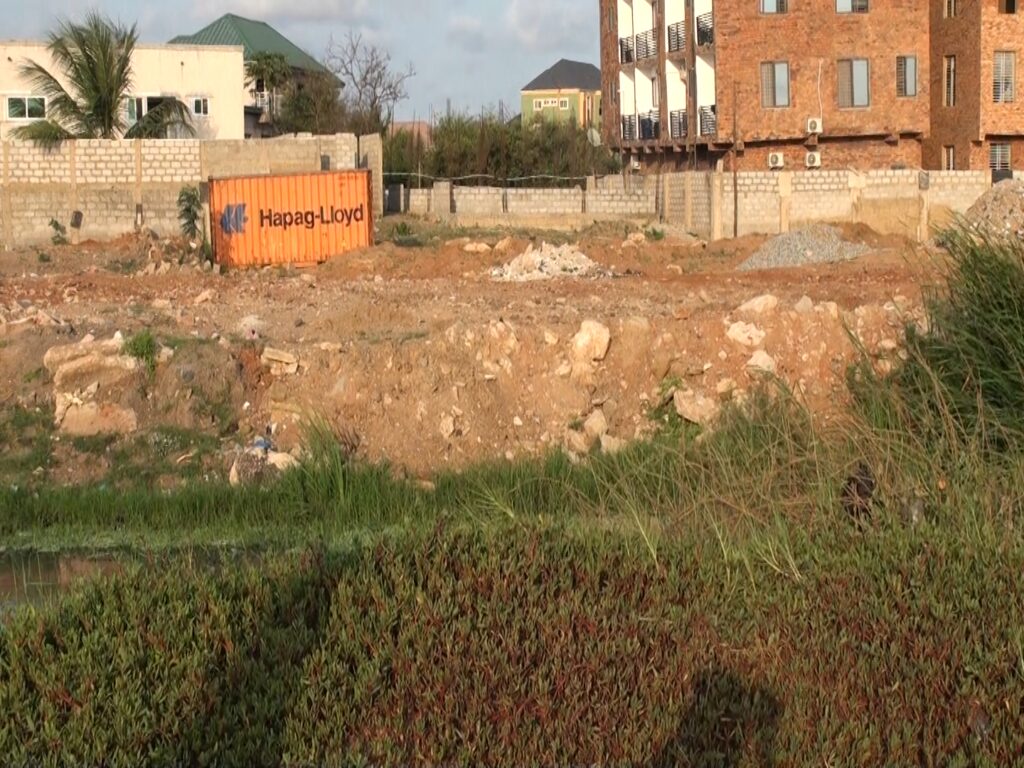
Residents say persistent filling and encroachment on wetlands and natural waterways are narrowing the routes through which rainwater flows towards the Sakumono River and eventually the sea, leaving communities increasingly vulnerable whenever heavy rains set in.
But beyond the immediate danger to homes and properties, another major concern is emerging: the impact on the Pambros Salt Industry, an important source of employment and economic activity for people in the surrounding communities.
The concern has been raised by residents and the Glefe Assembly Member, Israel Mieledzi, popularly known as Pesto Lee, who say the gradual obstruction of natural waterways is contributing to flooding and affecting businesses that depend on the area’s wetland environment.
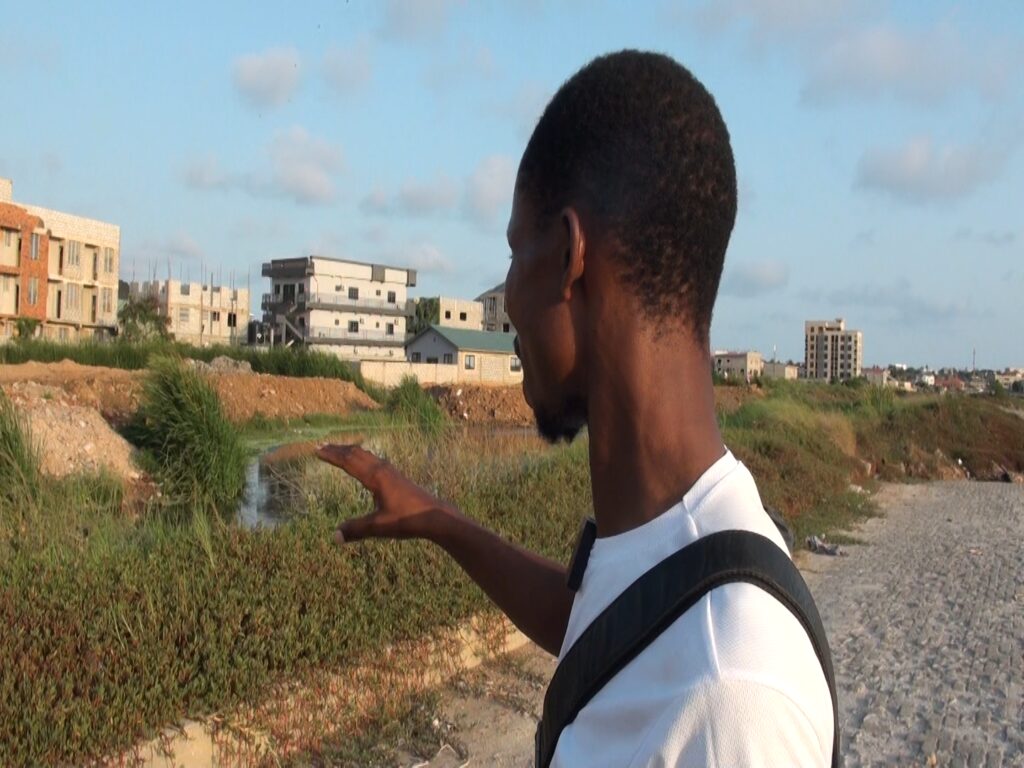
At a section of the waterway in Opetekwei, resident Ebenezer Kpakpo Addo points to areas where he says land filling has progressively reduced the available space for water to flow.
He argues that the problem is not simply inadequate drainage infrastructure but the gradual destruction and obstruction of natural water channels.
According to him, rainwater from Opetekwei, parts of Tunga and surrounding settlements historically moved through the waterway towards the Sakumono River before discharging into the sea. However, he says the increasing conversion of wetlands into land for residential development is interfering with that natural flow.
“Fillings are being done each blessed day, and the water body is being encroached upon. It is making the situation worse each day,” he says.
Ebenezer believes that treating natural waterways like ordinary gutters or attempting to replace them with conventional storm drains will not adequately address the problem. He argues that lagoons, rivers and wetlands serve a broader ecological and drainage function and should be protected rather than narrowed or converted into residential land.
Ebenezer Kpakpo Addo also points to the growth of weeds and vegetation across sections of the water surface, warning that the combination of encroachment, accumulated sand and restricted water movement could further undermine the area’s drainage capacity. Although some dredging has previously helped improve water movement, he says renewed encroachment during the dry season threatens to reverse those gains.
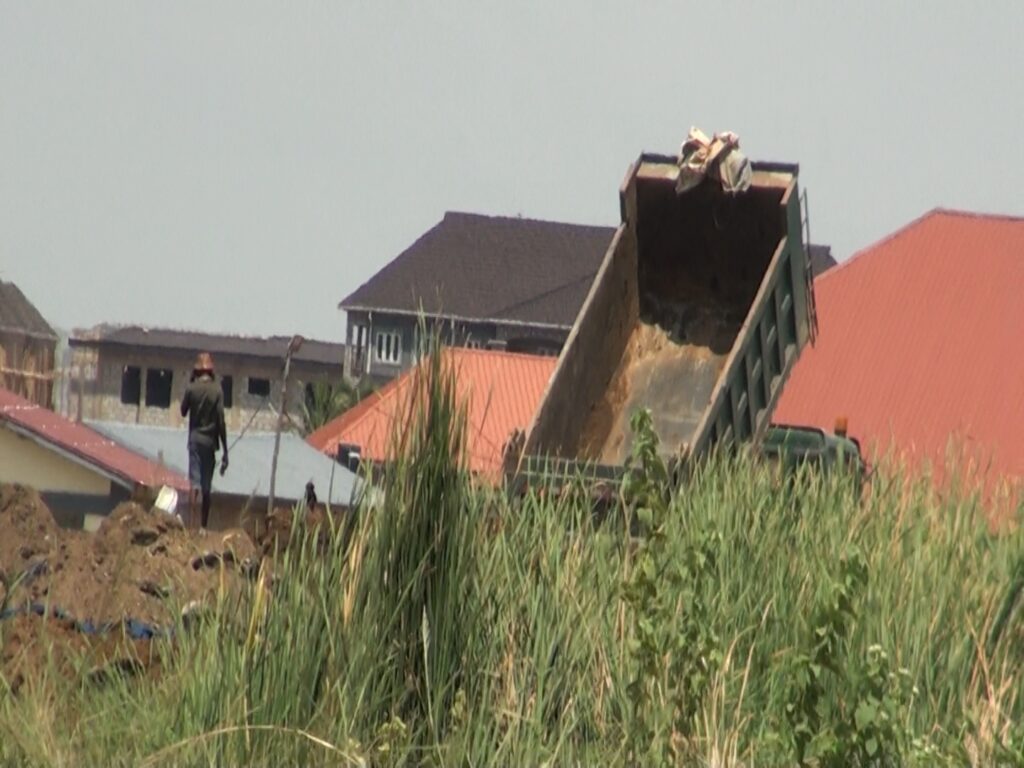
When it rains, the whole of Opetekwei suffers
The Glefe Assembly Member, Israel Mieledzi, says the consequences of the alleged encroachment are already being felt across communities. He describes a drainage route through Opetekwei, Tunga and Otojo towards the Sakumono River, which he says has been disrupted by extensive land filling. According to him, areas that are being filled are becoming elevated, leaving lower-lying communities such as Opetekwei exposed to floodwaters during heavy rainfall.
“What I know is that if it rains, the water passes through Opetekwei, Tunga and Otojo before going to Sakumono and straight to the sea. But now, because people are filling their places, the whole of Opetekwei floods,” he says.
Israel Mieledzi claims that despite public concern and previous calls for enforcement, filling activities continue in parts of the wetland. He is appealing to the government, the Greater Accra Regional Minister and the Ablekuma West Municipal Assembly to intervene before the situation deteriorates further.
He also says the President’s earlier announcement of plans to deploy security personnel to support demolition exercises has yet to translate into the action he believes is needed in the affected areas.
The assembly member insists that development must not come at the expense of public safety and the environment.
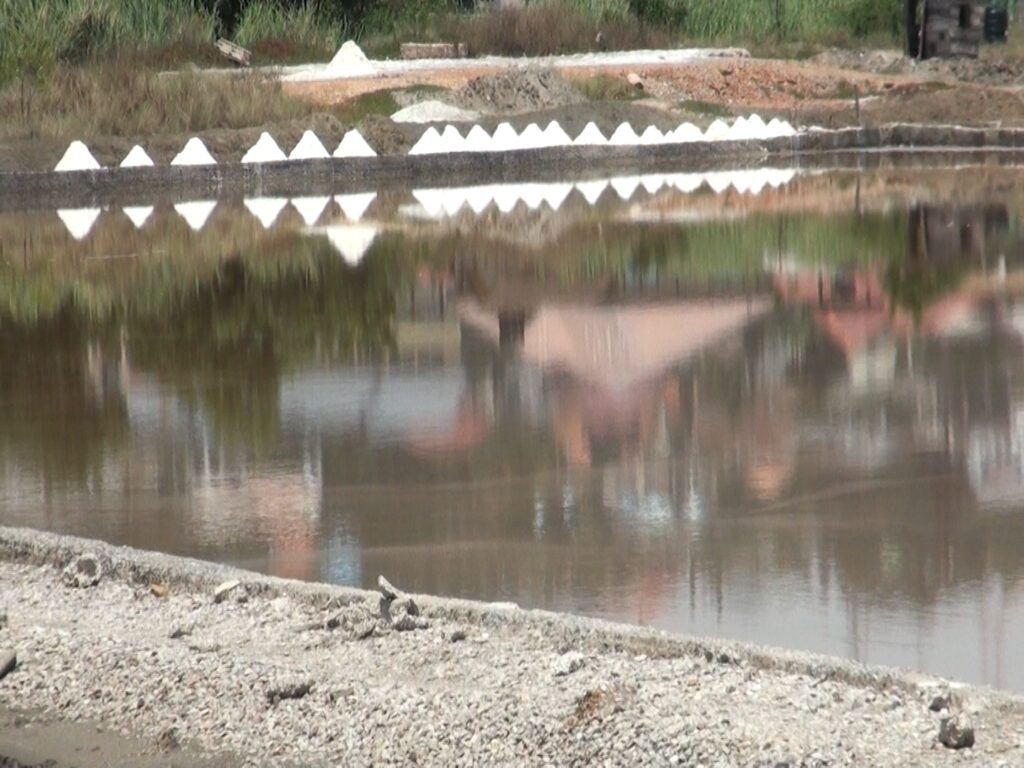
Pambros Salt Industry: A business and livelihoods at risk
One of the most significant concerns raised by Israel Mieledzi is the impact of the encroachment and associated flooding on the Pambros Salt Industry. He says the company was an established presence in the area long before many of the current developments, and had historically operated alongside neighbouring institutions and communities. But he believes the changing condition of the surrounding land and water systems is now affecting the company’s operations and production.
“Whenever it rains, the entire production area is flooded, disrupting operations. This is why Pambros’ production is declining. The company previously had many suppliers and shops across the country, but the encroachment is now affecting its operations,” he says.
His concern goes beyond the company itself. Israel Mieledzi says Pambros provides employment and economic opportunities for people in the surrounding communities, while its network of suppliers and distributors supports livelihoods beyond the immediate locality. Any decline in production, he warns, could therefore have a ripple effect on workers, traders, suppliers and other people whose incomes depend directly or indirectly on the salt industry.
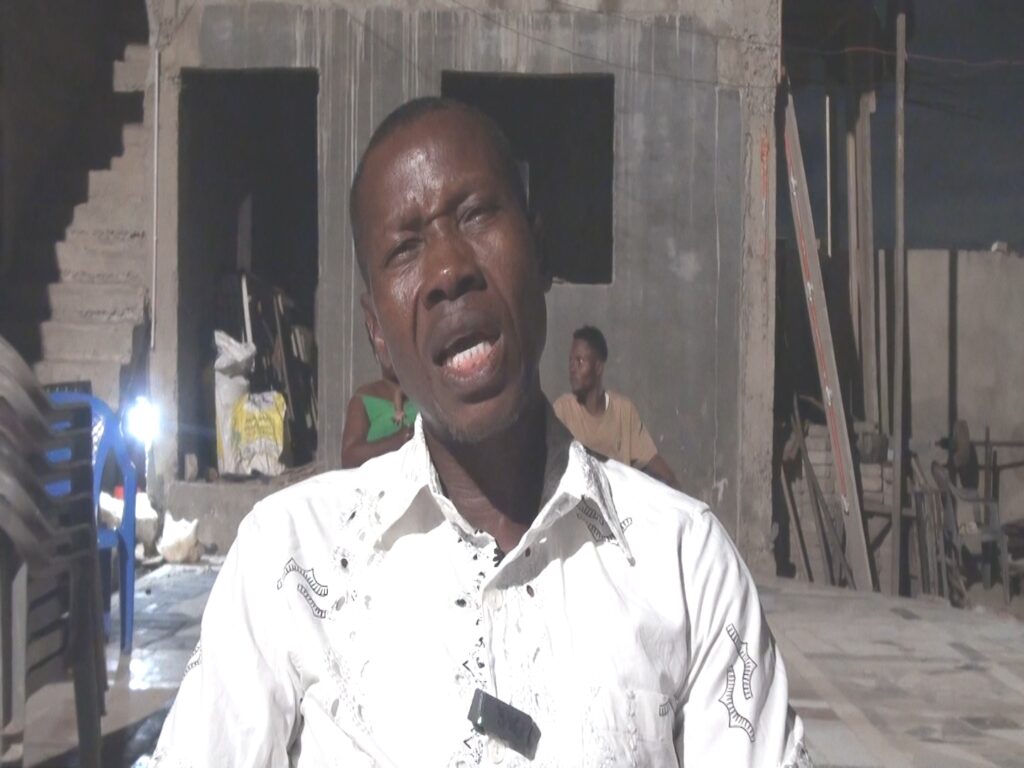
“If it affects the company, it will affect the people in the community too, because that is where they work and get their daily bread,” he says.
The concern raises a critical question about the economic consequences of wetland destruction: while land filling may create new plots for development, what happens to the established businesses and livelihoods that depend on the natural environment?
The reported decline in Pambros’ production and its connection to flooding and encroachment require further examination, including direct engagement with the company and its workers. But the assembly member’s warning underscores the need to consider the wider economic cost of unregulated development.
Residents call for nature-based solutions
Ebenezer Kpakpo Addo believes the solution must go beyond emergency desilting and the construction of drainage channels. He is advocating the protection and restoration of natural waterways, including the preservation of mangroves and other vegetation that support wetland ecosystems. Ebenezer argues that the remaining natural spaces must be protected, even where encroachment has already occurred.
“We cannot fight natural disasters with our own artificial means. We should find nature-based solutions that can help keep flooding in and around Opetekwei and its environment,” he says.
Kpakpo Addo is also appealing to traditional authorities to exercise greater responsibility in decisions involving land and wetlands. He alleges that some people invoke the names of chiefs when undertaking activities that encroach on water bodies, and urges traditional leaders to prevent the destruction of the remaining natural environment.
For him, the value of land should not be measured only by the income it generates through sales. He believes communities can also derive long-term economic benefits from protecting natural resources and maintaining a healthy environment.
An urgent call for intervention
The Assembly Member for Glefe Electoral Area, Israel Mieledzi, says the situation requires cooperation among traditional authorities, residents, local government and central government. He is therefore calling for an end to further filling in the affected areas, alongside the removal of accumulated sand and dredging where technically appropriate to restore the natural flow of water.
Israel Mieledzi again insists that enforcement must be consistent, warning that temporary public concern after flooding often gives way to renewed encroachment once the rains subside.
For residents of Glefe, Opetekwei, Otojo and surrounding communities, the stakes are becoming increasingly clear: the loss of natural waterways could mean more flooding, greater pressure on homes and infrastructure, and further risks to businesses and livelihoods.
And for the Pambros Salt Industry, the warning is that the consequences of wetland encroachment may extend beyond the environment to an established economic enterprise and the people who depend on it.
The question confronting authorities is whether decisive action will be taken to protect the remaining wetlands and restore the waterways before another heavy downpour exposes the full cost of inaction.
By Peter Quao Adattor/paqmediagh