

“Please help me return to Ghana. I don’t want to die here.”
Those are the heartbreaking words of Lydia Kissi, not her real name, one of several Ghanaian women who say they have become victims of human trafficking after travelling to the Gulf in search of a better life.
In emotional voice messages shared with anti-trafficking advocates, Lydia recounts a nightmare of physical abuse, hunger and fear, pleading with authorities to rescue her before it is too late.

“The suffering is too much. They beat me, slap me and kick me hard. I can barely get up, yet they still force me to work. I haven’t eaten since yesterday. Please help me return to Ghana. I don’t want to die here.”
Lydia alleges that she was assaulted by her employer without provocation and says every attempt to seek help only led to more abuse.
“When I complained, they sent me to the office where I was beaten again before forcing me back to work.”
Her story is one of many.
Dozens of victims identified
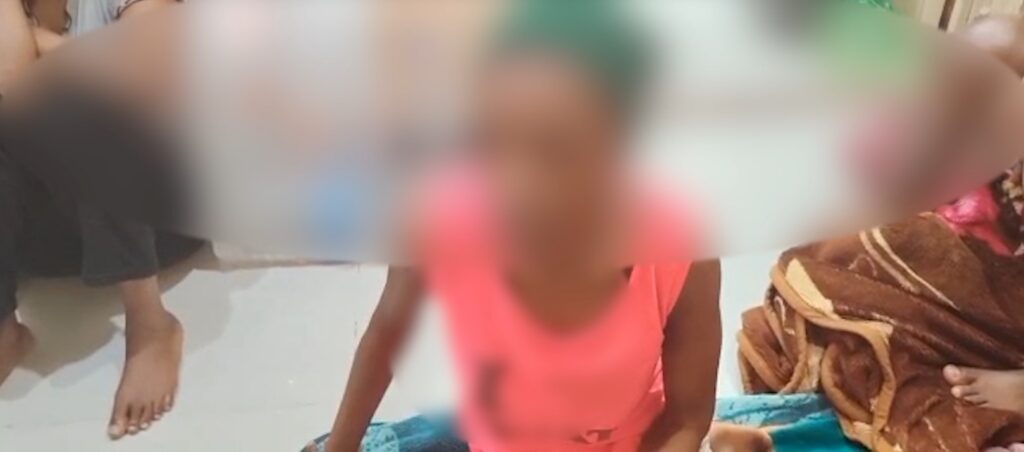
The Nimah Gyam Royal Foundation, which has been assisting victims of human trafficking, says it has identified dozens of Ghanaian women trapped in similar situations across parts of the Gulf.
The organisation is now calling for an emergency rescue operation, warning that many victims remain in captivity and urgently need help.
According to the Foundation, rescuing the victims requires coordinated support from the Ghanaian government, diplomatic missions and security agencies.
Its Managing Director, Ɔkogyeaman Nana Gyamera III, says the victims were lured abroad with promises of legitimate employment but instead found themselves trapped in exploitative conditions.
The Foundation is also calling for those behind the trafficking network to be arrested and prosecuted.

Social media recruitment
Preliminary investigations point to a suspected trafficker identified only as Aisha, a Ghanaian believed to be based in Kurdistan.
The Foundation alleges that she recruits young women mainly through social media platforms, particularly TikTok, by advertising attractive job opportunities abroad.
But upon arrival, many victims reportedly discover that the promised jobs do not exist.
Instead, they are allegedly subjected to abuse, intimidation and forced labour.
Some who attempted to resist or demand their rights have reportedly been detained in camps, while others are said to have suffered serious health complications after being injected with unknown substances.
Calls for urgent government action
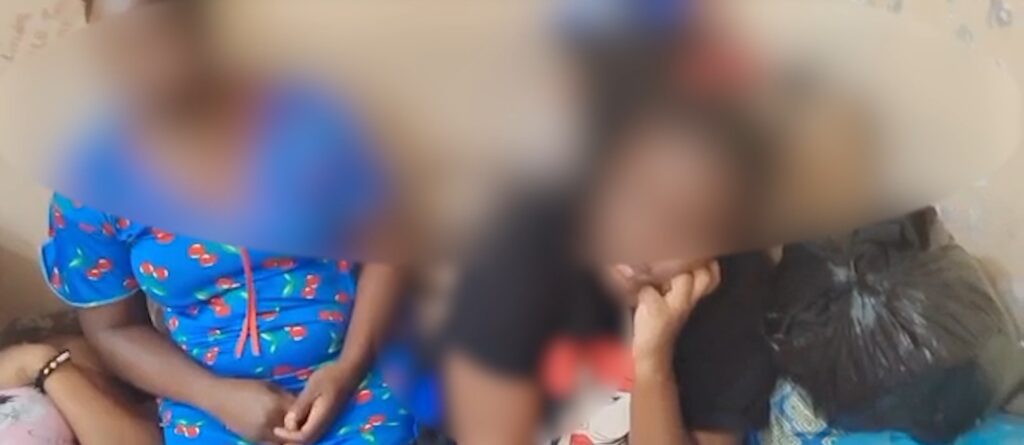
Anti-human trafficking advocates say Lydia’s story reflects a growing crisis of irregular migration affecting many Ghanaian youth.
Bashiratu Kamal, Policy Advocate and Campaigner with the Network for Women’s Rights, is calling for a comprehensive national response to tackle trafficking networks targeting vulnerable young people.
She wants the Ministry of Foreign Affairs and Regional Integration to urgently investigate the conditions under which Ghanaians—especially young women—are being trafficked to the Gulf States and other destinations.
Advocates are also urging stronger collaboration between Ghana’s diplomatic missions, law enforcement agencies and destination countries to rescue victims, dismantle trafficking syndicates and prosecute those responsible.

A desperate plea
For Lydia and many others still trapped abroad, each passing day is a struggle to survive.
Their message is simple.
They are not asking for better jobs.
They are asking for a chance to come home alive.
By Peter Quao Adattor/paqmediagh