
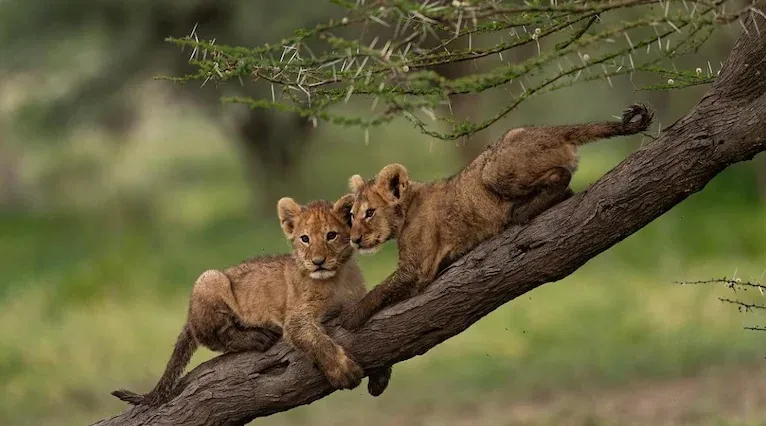
The Forestry Commission has joined the global community to mark World Wildlife Day 2026, shining a spotlight on the importance of medicinal and aromatic plants in health, heritage, and livelihoods.
Celebrated on March 3 under the theme “Medicinal and Aromatic Plants: Conserving Health, Heritage and Livelihoods,” this year’s observance highlights the critical role these plants play in traditional medicine, modern healthcare, biodiversity conservation, and local economies.
According to the World Health Organization, medicinal and aromatic plants remain the backbone of healthcare for millions worldwide and are vital sources of ingredients for modern pharmaceuticals. Beyond medicine, these plants support ecosystems by stabilising soils, sustaining pollinators, and preserving biodiversity.
In Ghana, forest and savannah landscapes are rich in medicinal and aromatic plants used in food, cosmetics, and traditional healing. These resources provide livelihoods, especially for forest-fringe communities. However, over-harvesting, habitat destruction, bush burning, illegal logging, and mining continue to threaten their survival.
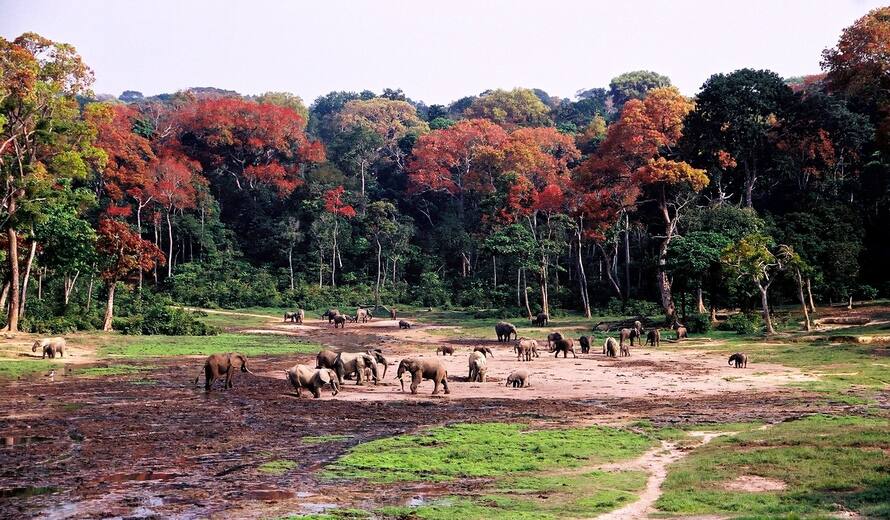
The Forestry Commission, through its Wildlife Division, says it is stepping up efforts to protect these resources through conservation awareness, law enforcement, research, ecotourism promotion, and community livelihood support. The Division is also finalising a Legislative Instrument to operationalise the Wildlife Resources Management Act, 2023 (Act 1115), aimed at strengthening wildlife governance, regulating trade, and empowering Community Resource Management Areas (CREMAs).
As part of broader reforms, the Commission has intensified forest restoration initiatives, including plantation development under the Modified Taungya System, enrichment planting, and rapid response operations against illegal activities.
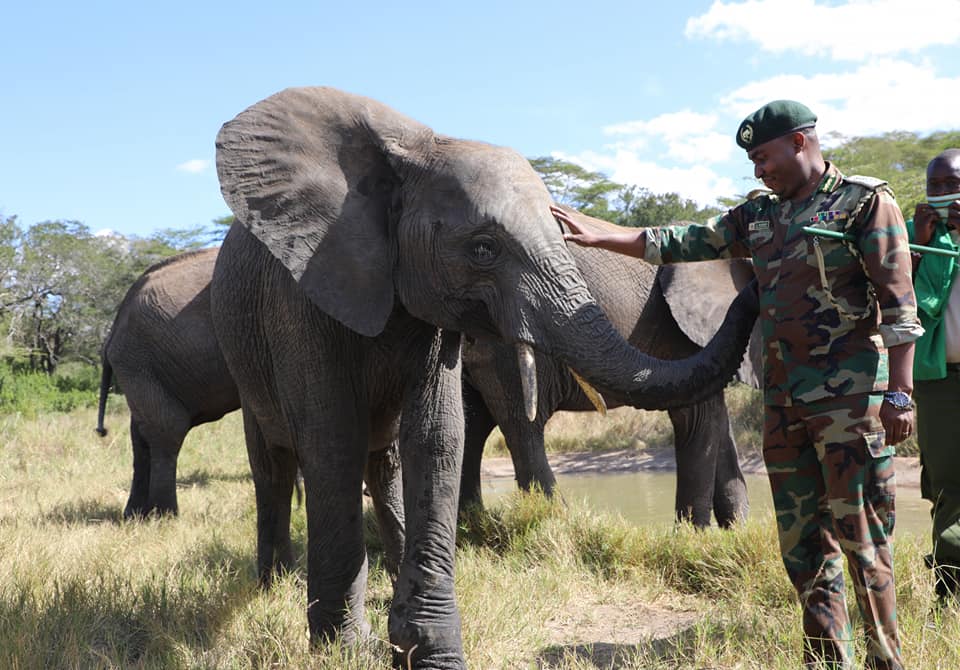
The Commission is urging all users, traders, exporters, and producers of medicinal and herbal products to comply with national laws and international agreements, particularly the Convention on International Trade in Endangered Species of Wild Fauna and Flora. It is also encouraging investment in the cultivation of medicinal plant plantations to reduce pressure on natural reserves.
Ghana’s national celebration of World Wildlife Day 2026 will be held at Abrafo in the Central Region, with activities centred around the Kakum National Park. The event will feature a schools’ quiz, exhibitions, and awards, highlighting the park’s rich biodiversity and its renowned canopy walkway.
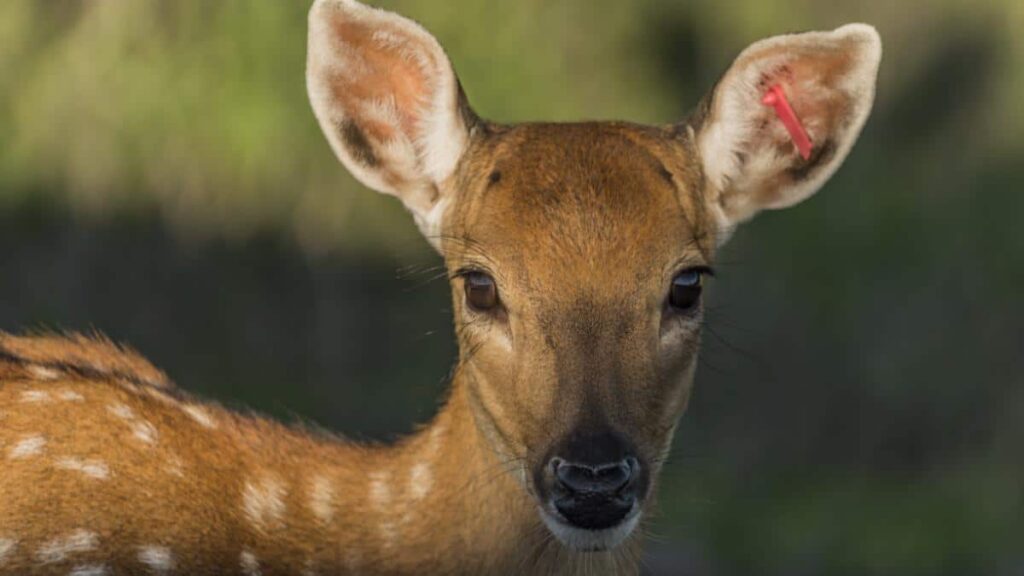
As the nation marks World Wildlife Day 2026, the Forestry Commission is calling on traditional healers, chiefs, local assemblies, civil society groups, the media, and the general public to work together to protect Ghana’s plant and animal species—safeguarding biodiversity, climate resilience, and sustainable livelihoods for generations to come.
By paqmediagh/Peter Quao Adattor