
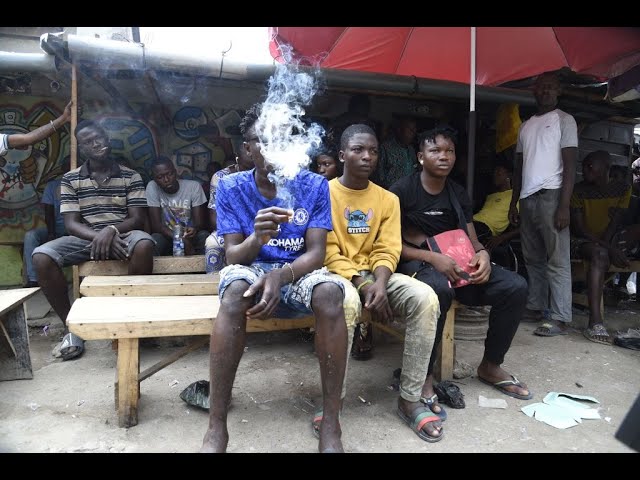
An estimated 82,500 Ghanaians are currently using hard drugs, with the Ashanti Region accounting for about 16,300 of them, according to a University of Ghana School of Public Health study.
The figures, disclosed by the Director-General of the Narcotics Control Commission, Major General Maxwell Obuba, point to a growing public health challenge involving substances including heroin, cocaine, tramadol and methamphetamine.

Speaking in Kumasi during the International Youth Day celebration, Major General Obuba stressed that the estimate does not include cannabis, which remains the most widely used illicit drug in Ghana.
The study also highlights a worrying link between drug use and HIV infection in the Ashanti Region.
HIV prevalence among drug users in the region is estimated at 6.6%, nearly five times Ghana’s national prevalence of 1.4%.
Major General Obuba is calling for a broader response to substance abuse, arguing that enforcement alone cannot address the problem.
He wants families, schools, traditional authorities and community leaders to intensify prevention efforts, while government expands treatment, rehabilitation and social support for people struggling with addiction.
The Law: Treatment Over Punishment
The concerns have also renewed attention on Ghana’s Narcotics Control Commission Act, 2020 (Act 1019), which sought to shift the country’s approach to drug use from punishment towards treatment and rehabilitation.
The law established a Substance Use Disorder Rehabilitation Fund and provided a framework for addressing substance dependence as a public health issue.
Former NACOB boss Yaw Akrasi Sarpong has previously urged police prosecutors and investigators to embrace the change in approach, arguing that people with substance-use problems require treatment rather than simply imprisonment.
Civil society groups, including the POS Foundation, have similarly advocated alternatives to incarceration for minor drug users.

Cannabis Reform: Promise or Policy Limbo?
Act 1019 also created a legal framework for licensing the cultivation of low-THC cannabis for industrial and medicinal purposes.
The policy was expected to open opportunities in areas including pharmaceuticals, textiles, food products and other industrial applications.
But questions remain over the pace of implementation and the extent to which the licensing regime has translated into tangible economic opportunities.
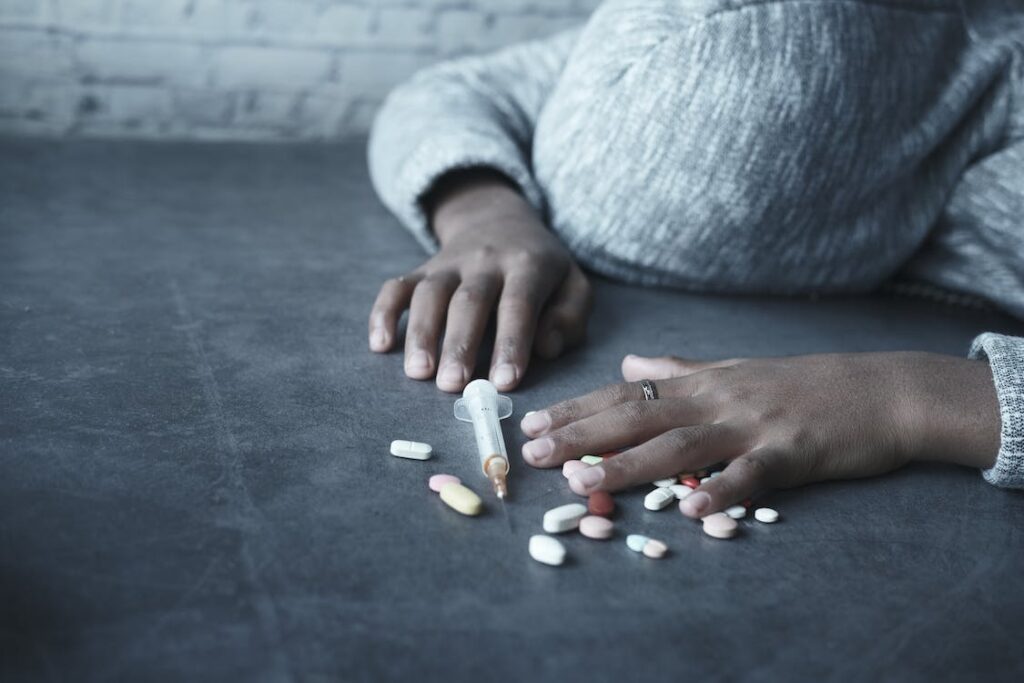
With tens of thousands of Ghanaians reportedly struggling with hard-drug use, rising HIV concerns among vulnerable populations and unresolved questions around drug-policy reform, experts say Ghana faces a difficult policy balancing act:
How does the country protect communities, treat addiction, enforce the law and, at the same time, unlock the economic potential of responsible drug-policy reform?
The debate is no longer simply about drugs and policing, it is about public health, youth development, security and Ghana’s policy choices for the future.
Source: HopeKingBlog