

A disturbing security development has emerged from Bawku, where police officers stationed in the conflict-prone area have reportedly threatened to resign en masse, citing unsafe working conditions, welfare challenges, and deep operational frustrations.
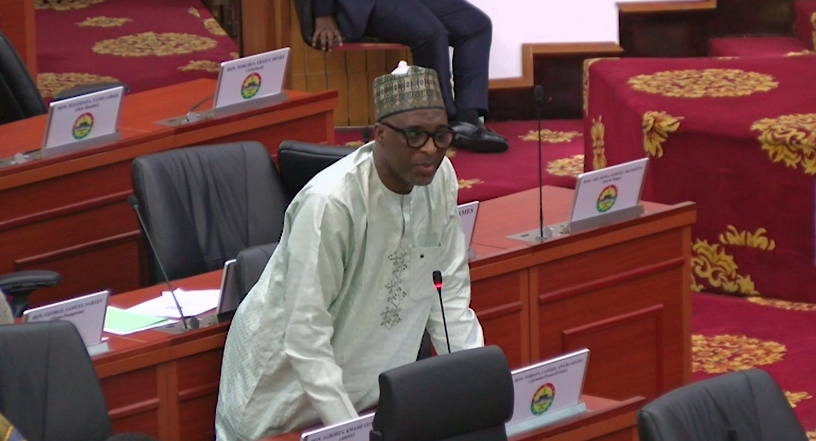
The revelation was made public by Muntaka Mubarak, sending shockwaves through Ghana’s security and governance circles and reigniting concerns about the sustainability of policing in high-risk zones.
A Cry from the Frontlines
According to Muntaka, the officers’ threats were not acts of indiscipline but a desperate cry for help from personnel operating under extreme pressure.
He explained that officers deployed to Bawku face: Persistent threats to their personal safety, prolonged deployments without adequate relief, inadequate logistics and protective equipment, and Psychological strain from operating in a volatile environment.
“These are men and women who have sworn to protect the nation,” Muntaka noted, “but they are also human beings operating under conditions that test endurance, morale, and survival.”
A Dangerous Signal for National Security
Security analysts warn that the reported threat of resignation, even if not carried out, is a serious red flag.
Experts say it highlights:
- Growing cracks in police welfare and operational support
- The risk of a weakened law enforcement presence in already fragile communities
- Potential erosion of public confidence in the ability of the state to guarantee security
“If frontline officers feel abandoned, the consequences extend beyond the barracks,” one security expert noted. “It directly affects civilian safety.”
Bawku: A Pressure Cooker
Bawku has long been one of Ghana’s most sensitive security flashpoints, requiring sustained police and military presence. Officers posted there often serve extended tours under constant threat, with limited access to rest, family life, or psychosocial support.
The reported threat to resign underscores the human cost of prolonged conflict policing and raises urgent questions about rotation policies, incentives, and mental health support for security personnel.
Government Response Under Watch
While no official statement has yet been issued by the Ghana Police Service, Muntaka’s disclosure has intensified calls for:
- Immediate engagement with officers on the ground
- Improved welfare, risk allowances, and protective logistics
- Clear communication from security leadership and the government
Citizens, civil society groups, and security watchers are now closely monitoring how authorities will respond to what many describe as a critical stress test for Ghana’s internal security system.
Beyond Bawku
For many observers, the situation in Bawku is not isolated; it reflects broader systemic challenges within law enforcement nationwide.
As the debate grows, one message is becoming clear: When those tasked with protecting the state begin to feel unprotected themselves, the nation must listen, urgently.
Source: Paqmediagh/Peter Quao Adattor