
Groundbreaking research has the power to improve farming, healthcare, education, public policy and overall national development.
Yet much of it never reaches the people it is meant to help.
Instead, it remains locked away in academic journals, written in technical language or hidden behind expensive paywalls, out of reach for farmers, teachers, health workers, businesses and even policymakers.
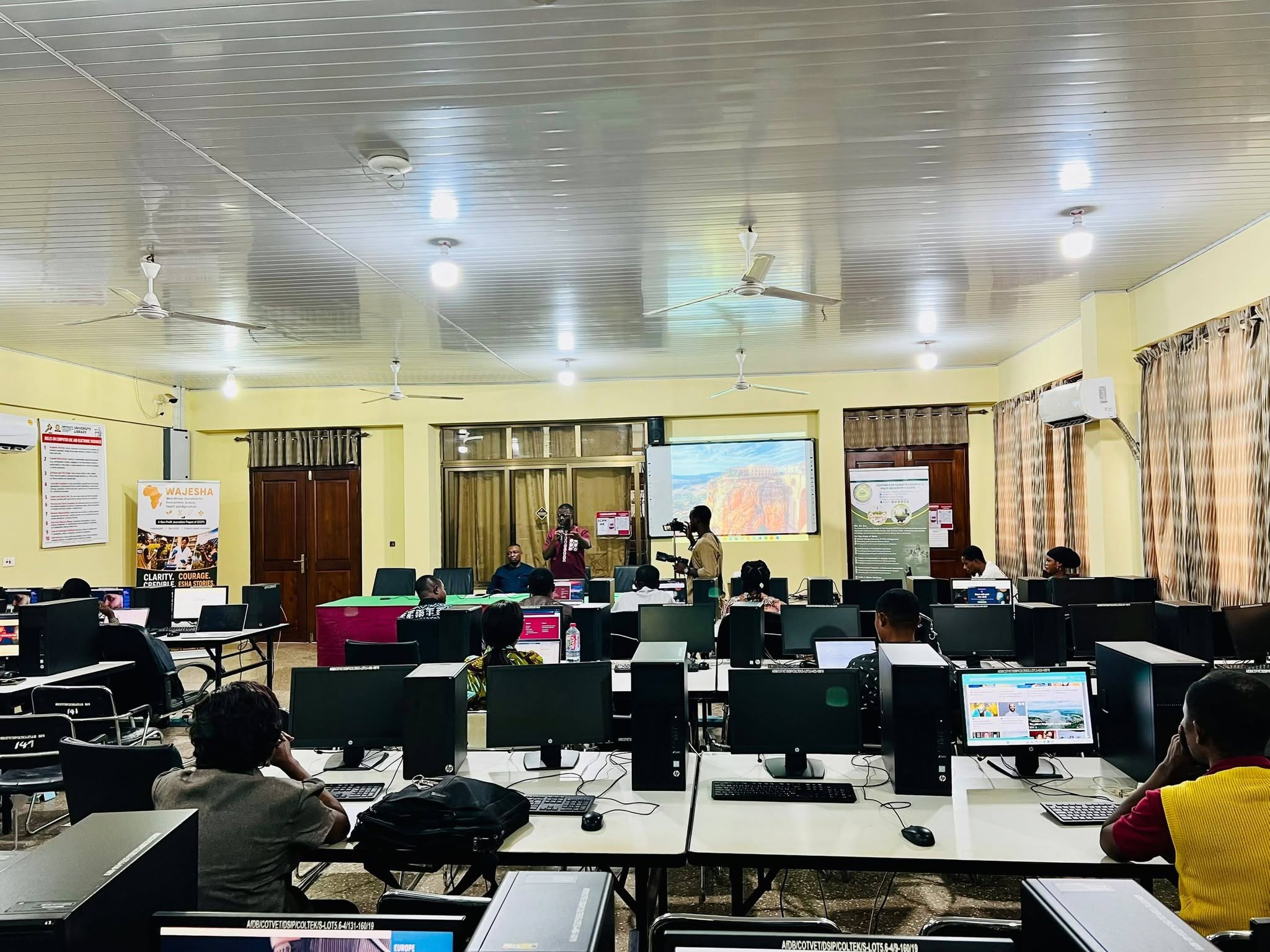
That was the central message at a research communication training organised by the University of Skills Training and Entrepreneurial Development (USTED) in partnership with the West African Journalists for Environment, Science, Health and Agriculture (WAJESHA) in Kumasi.
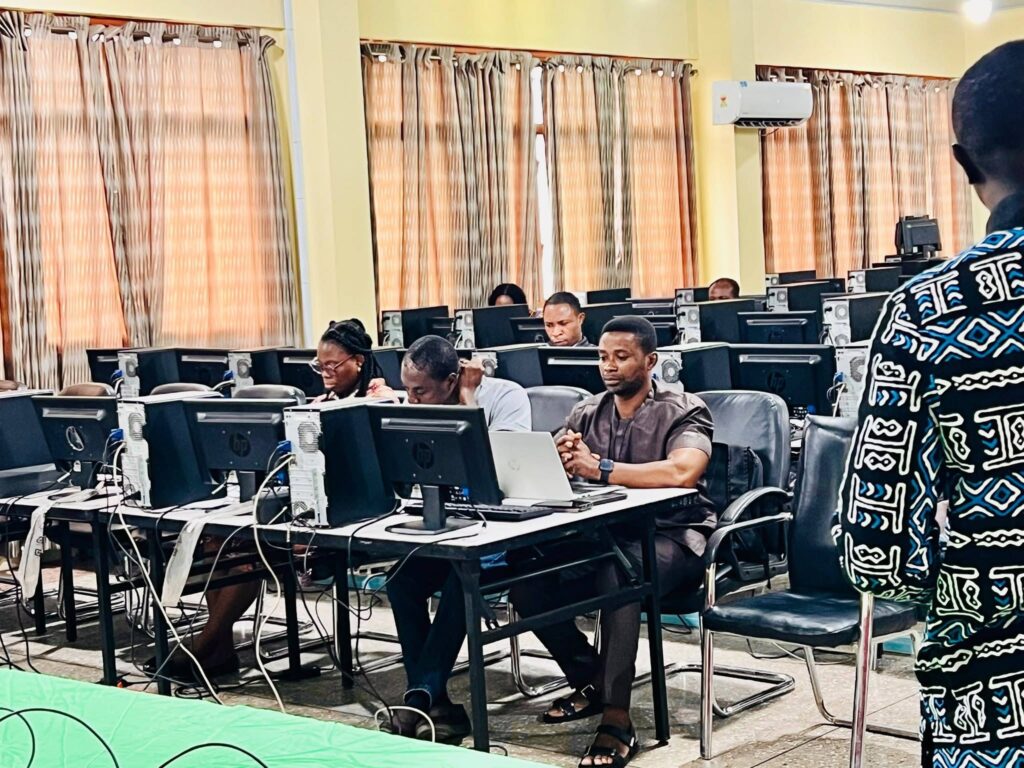
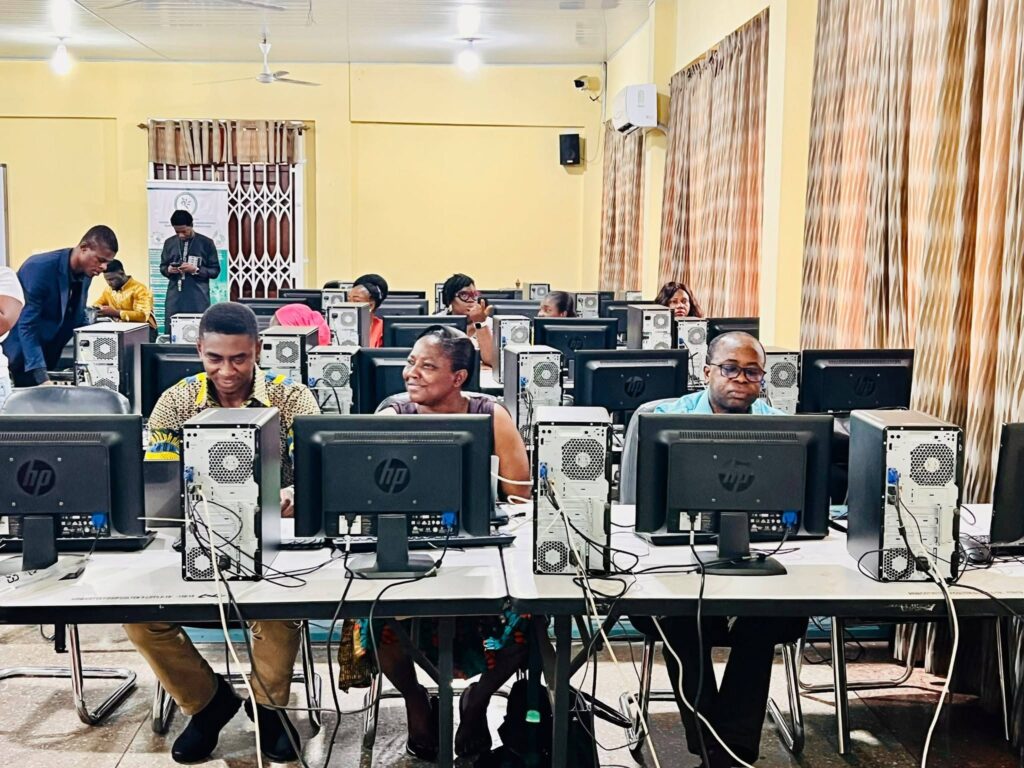
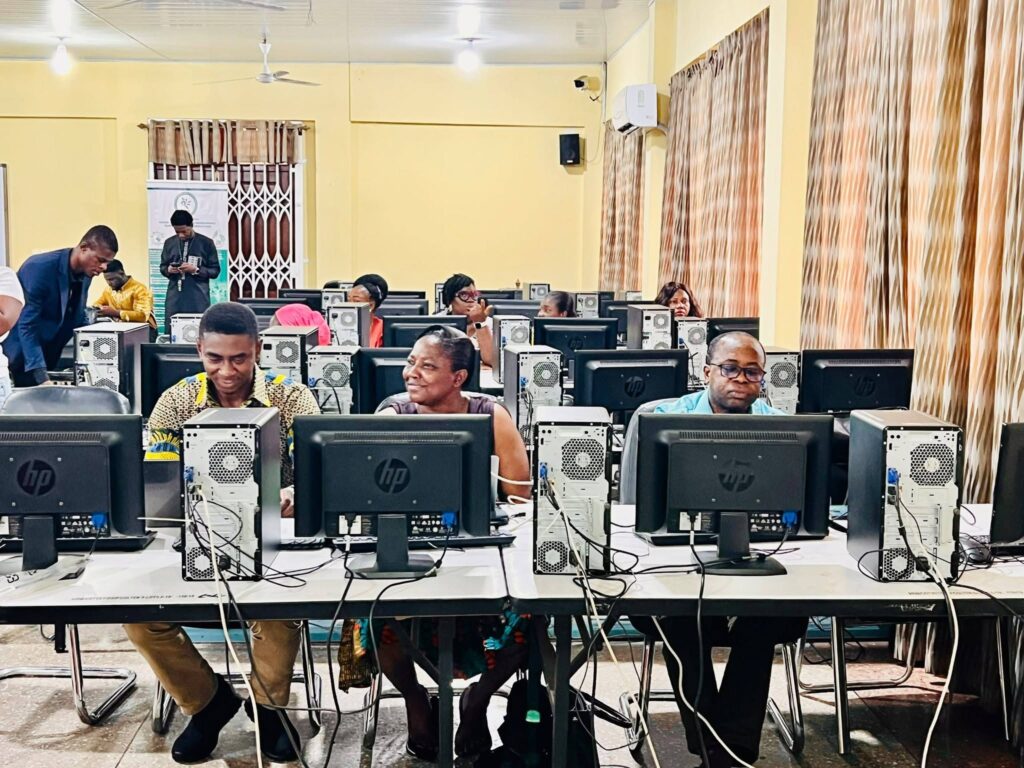
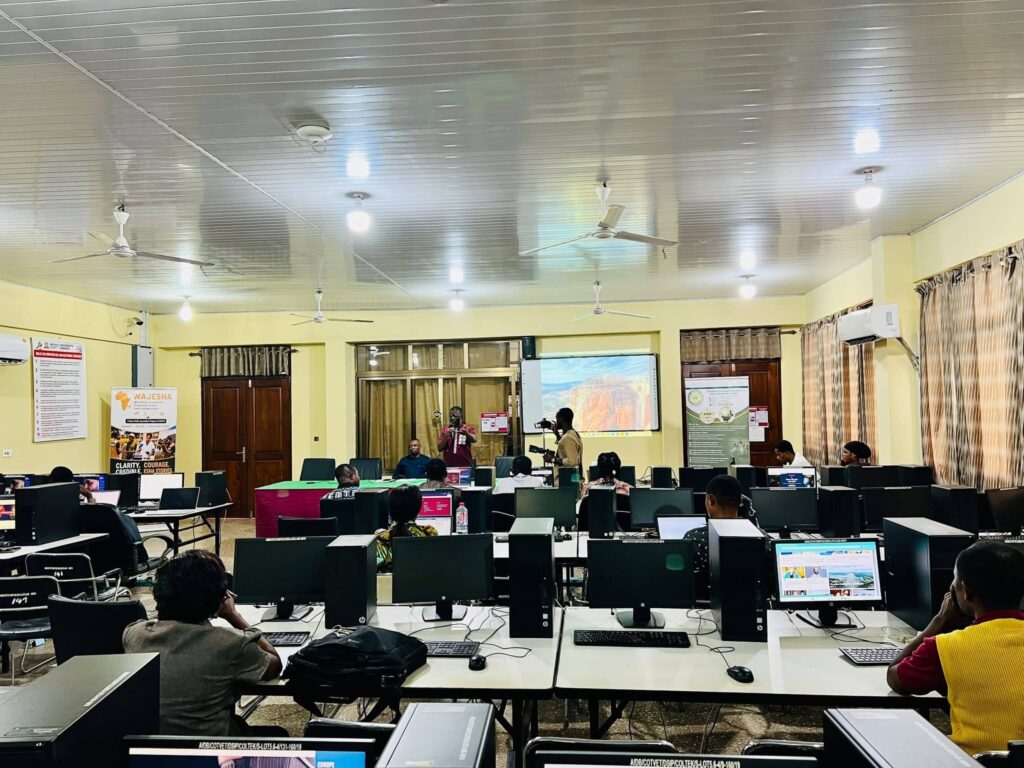
The workshop brought together researchers, lecturers and university administrators to learn how to communicate their findings through newspapers, radio, television and digital media in language that ordinary people can understand.
Knowledge in prison
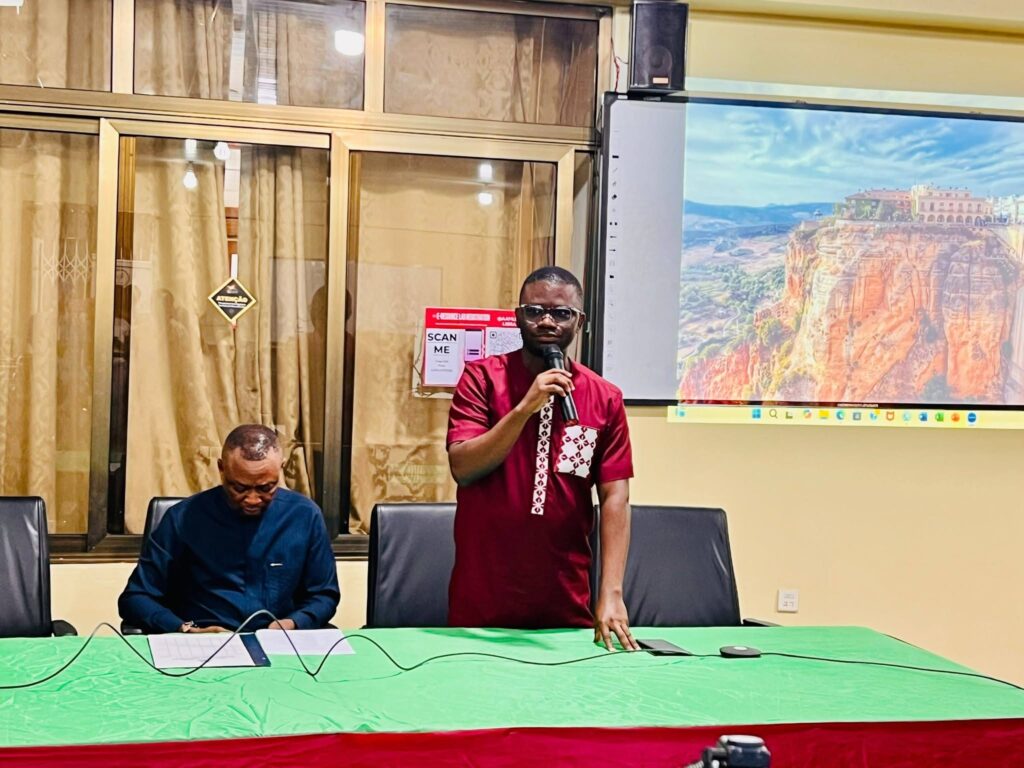
Opening the workshop, USTED Pro Vice-Chancellor, Professor Isaac Boateng challenged academics to rethink how they measure the success of their work.
“Research that is not communicated effectively is knowledge in prison.” He emphasized.
He urged researchers to look beyond publications and citations and instead focus on the real-world impact of their work.
“Do not measure success only by publication. Measure success by transformation. Do not ask merely, ‘Was my paper published?’ Ask, ‘Whose life changed because of my research?”. He stressed.
Research funded by taxpayers should benefit taxpayers
Chairman of USTED’s Publication Board, Dr Christopher Owusu-Ansah, said the workshop was a response to a growing challenge across Africa, where valuable research often remains inaccessible to the public.
“The research that is done is buried behind paywalls.”
He noted that much of the research conducted in universities is funded with public resources and should therefore be communicated in ways that support better policies, strengthen public understanding and contribute to national development.
Turning research into stories
To bridge the gap between academia and society, USTED partnered with WAJESHA, a regional network dedicated to strengthening journalism on environment, science, health and agriculture across West Africa.
Drawing on newsroom experience, the WAJESHA team demonstrated how researchers can translate complex academic findings into accurate, engaging and accessible stories without compromising scientific integrity.
The workshop featured three practical masterclasses covering news writing, storytelling and multimedia communication.
WAJESHA New Media Editor Daniel Abugri encouraged participants to identify the public value hidden within their research.
“A study becomes news when people can see how it affects their lives.”
WAJESHA Director, Engr. Mahmud Mohammed-Nurudeen, challenged researchers to explain why their work matters beyond the academic community.
“Researchers often write excellent studies but fail to explain why their findings matter to ordinary people.”
Independent filmmaker Charles Afrifa Smith demonstrated how research should be adapted for different audiences and platforms.
“A three-minute video story demands a different approach from a 30-page journal article.”
A shift in mindset
For many participants, the training changed the way they think about research communication.
Dr Daniel Nimo, from USTED’s Department of Interdisciplinary Studies, said the workshop had shown him how research findings could be transformed into stories that resonate with the public.
“This workshop has been very effective. It has enlightened some of us on how we can convert our research work into news stories that anybody can read and understand.”
Civil Engineering lecturer Engr. Anna Amankwah Minkah said researchers have a responsibility to communicate beyond academic audiences.
“We should be able to communicate in a way that society will easily grasp what we are trying to say and what our findings are.”
Beyond journals
The workshop concluded with a WAJESHA Capstone Newsroom Simulation, where participants put their new skills into practice by converting research papers into broadcast, print and digital news stories.
The programme forms part of WAJESHA’s broader mission to strengthen science and research communication across Africa by helping universities and research institutions present evidence in ways that inform public debate, improve journalism and support better policymaking.
As universities continue to invest heavily in research, organisers say the next challenge is no longer simply producing new knowledge.
It is ensuring that knowledge reaches the people whose lives it is intended to improve.
Because research that stays on a shelf cannot change a community, but research that reaches people has the power to transform lives.
By Peter Quao Adattor/paqmediagh