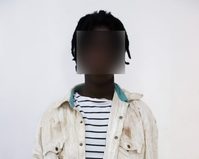

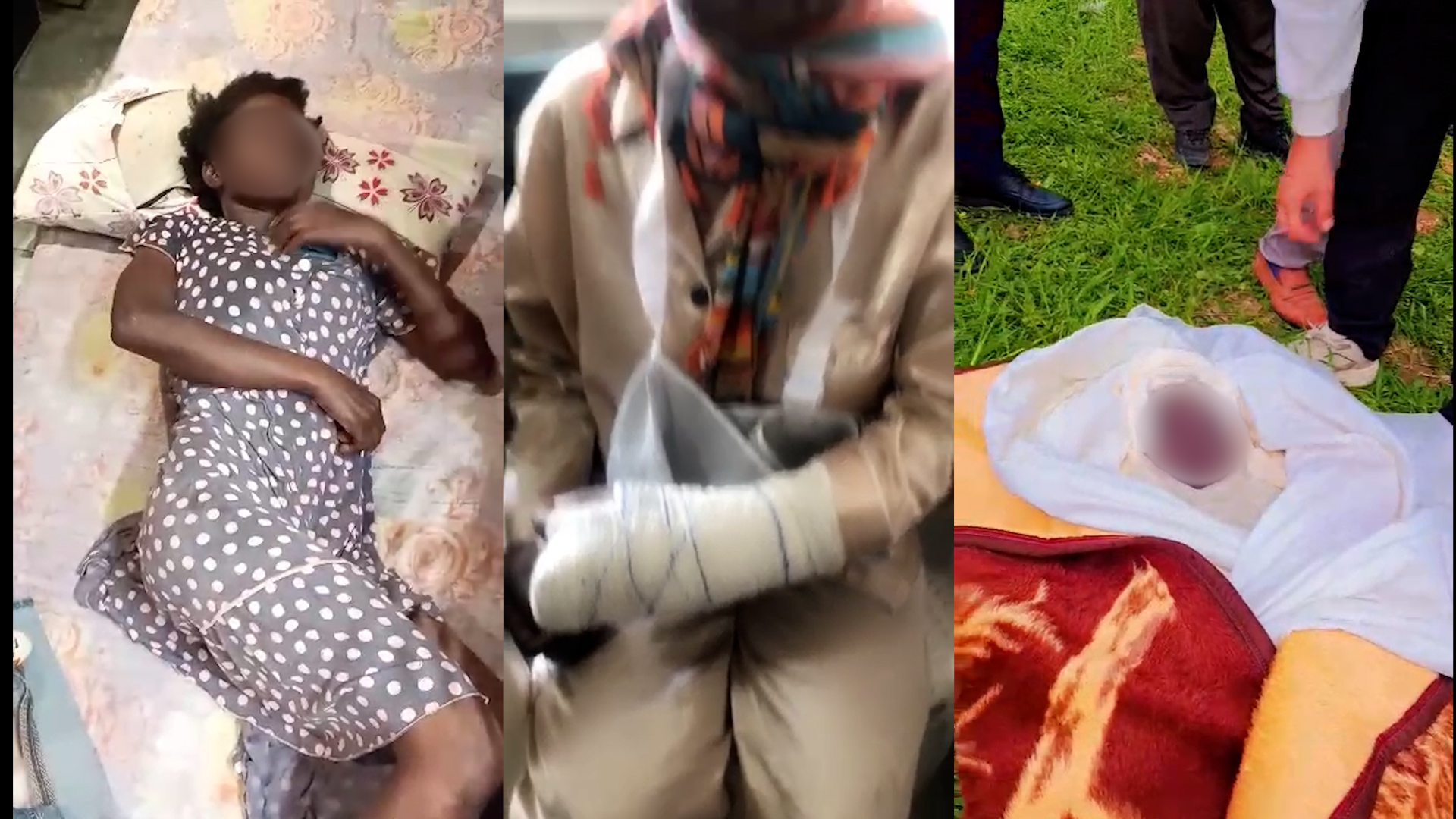
A Ghanaian woman shares her harrowing experience of deception, abuse, and captivity inside a Gulf region trafficking network after being promised a job abroad.
A young Ghanaian woman from the Western North Region is speaking out after surviving what she describes as months of abuse and exploitation in Baghdad, Iraq.
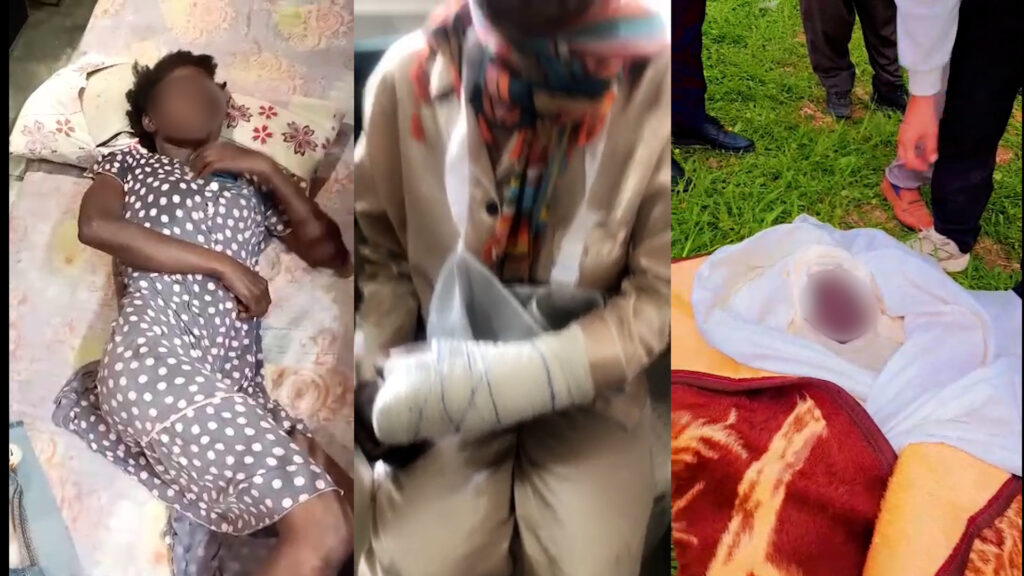
Abena Aseibu, not her real name, says she was recruited by an agent in May 2025 and promised a job in Jordan, but was instead flown to Baghdad, where she was taken to a crowded camp housing African women.
According to Abena’s account, her phone was confiscated upon arrival, and she was later forced into domestic work under harsh and abusive conditions.
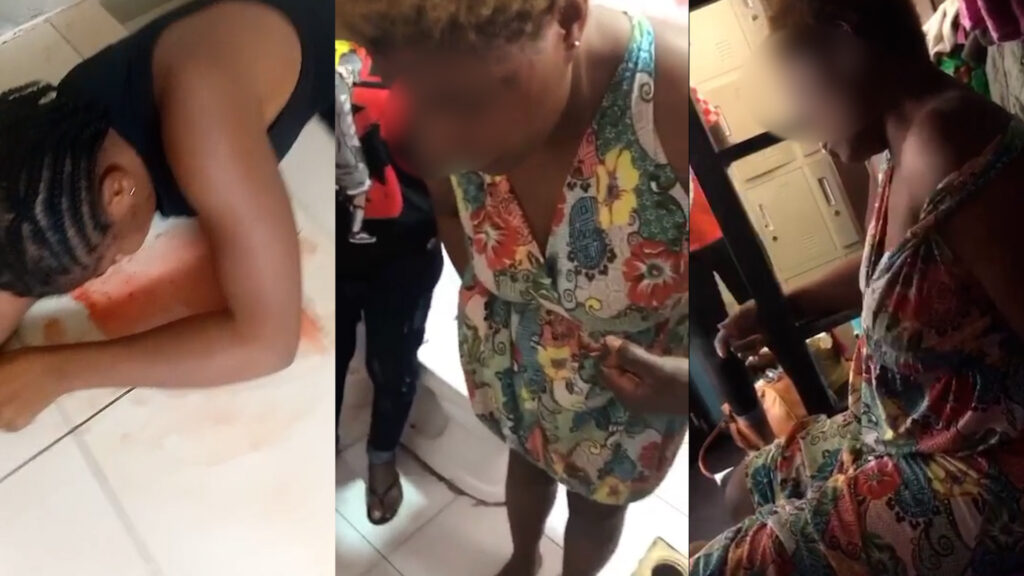
Abena alleges that she was beaten, denied food, and locked in a cage for three days after resisting work she could not physically perform.
Her health reportedly deteriorated, with untreated infections and injuries, while complaints were ignored by those managing the camp.
Abena Aseibu, was eventually rescued by an anti-human trafficking organisation that intervened in her case and secured her return to Ghana.
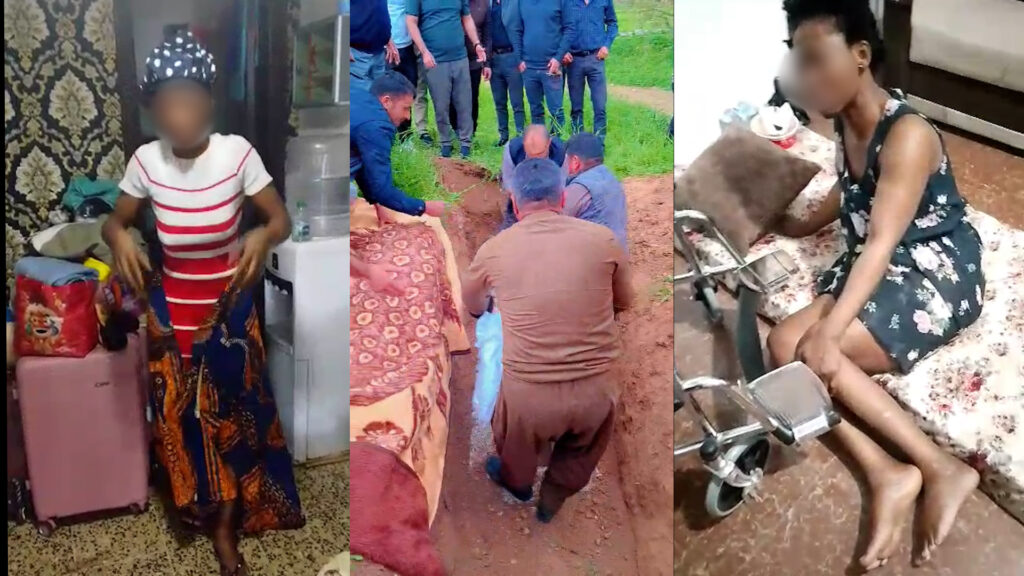
She is now warning young people, especially women, not to trust unverified recruitment agents promising easy jobs abroad without verified contracts or official channels.
“There is no freedom there… even selling water in Ghana is better than what I went through,” she said.
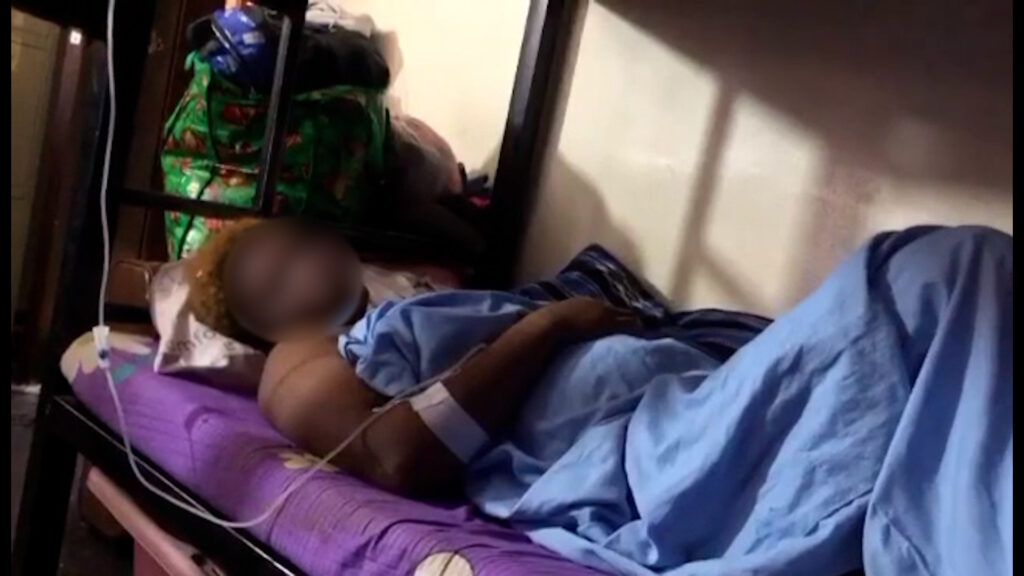
Authorities continue to caution against irregular migration and unverified foreign job offers as trafficking networks expand across the Gulf region.
By Peter Quao Adattor/paqmediagh
Read the full testimony of Abena Aseibu, not her real name
My name is Abena Aseibu, and I am a Ghanaian from the Western North Region.
In May 2025, I was approached by an agent who promised to secure me a job in Jordan. At the time, I was involved in illegal mining activities, popularly known as galamsey, and I saw the offer as an opportunity to build a better life.
Initially, I was told I would be travelling to Jordan. However, shortly before my departure, I was informed that I would instead be going to Baghdad, Iraq. I resisted and insisted on the original arrangement, but the agents repeatedly assured me that I would find decent work and earn good money. Eventually, I agreed.
The agents arranged my visa, flight ticket, and all travel documents. They told me that a responsible woman would receive me upon arrival and help me settle into work.
But everything changed the moment I landed at Baghdad International Airport.
Instead of the woman I had been promised, a male agent picked me up and transported me to a crowded camp. The facility housed dozens of African women, including Ghanaians, Nigerians, Ugandans, Ethiopians, and others. It was overcrowded, and conditions were far from what I had been promised.
Shortly after arriving, I was instructed to call my family in Ghana and assure them that I had arrived safely. Immediately after the call, my phone was confiscated.
I remained in that camp for seven months before I was assigned my first job. I was employed to care for an elderly woman who was physically much larger than me. My duties included lifting and carrying her around the house, something I could not do.
When I complained and eventually returned to the camp, I was severely beaten. I was then locked in a cage for three days without food or water. Despite reporting the abuse to the agent, he ignored my complaints and sided with the camp managers.
After that ordeal, I was assigned to another household as a nanny. Unfortunately, the abuse continued. I endured constant mistreatment, intimidation, and neglect. There were days when I survived on only a single packet of instant noodles. Workers were often beaten for minor issues, and some were locked in cages simply for taking medication without permission.
In April this year, I developed a serious infection in my breast. Despite being in severe pain, my employer refused to seek medical treatment for me. When I informed the agent, he accused me of pretending to be sick in order to avoid work. Instead of receiving medical care, I was beaten again and locked in a cage for another three days.
The physical abuse has left lasting effects. To this day, I continue to suffer pain in my ear as a result of the beatings. I also developed a stomach ulcer from prolonged hunger and starvation.
Life inside the camp was unbearable. More than twenty-five women were often packed into a small office space without proper ventilation, fans, or air conditioning. Many workers suffered serious health problems. I personally witnessed people returning to the camp after suffering strokes, cancer, and other severe illnesses. Yet little or no medical attention was provided. If a worker could not bring money from her workplace, she was treated as worthless.
The camp was managed by a Nigerian supervisor who showed little concern for our welfare or safety.
My situation only changed when, out of sheer divine providence, I managed to come into contact with an anti-human trafficking organisation. The organisation intervened, took up my case, and eventually secured my release and safe return to Ghana.
Today, I consider myself fortunate to be alive.
My message to fellow Ghanaians, especially young women, is simple: do not be deceived by promises of easy jobs and better lives in Iraq, Iran, or other Gulf countries through unverified agents. Many of these promises are false.
No amount of money is worth sacrificing your freedom, dignity, health, or life.
I would rather sell water on the streets of Ghana than go through what I experienced. What I endured was worse than anything I could have imagined. A simple illness can become a death sentence because no one listens when you cry for help.
I also urge parents and guardians to educate their children about the dangers of irregular migration and human trafficking. These journeys are often traps disguised as opportunities.
There is nothing on earth that could convince me to undertake such a trip again. Whatever honest work is available in Ghana, I am prepared to do it.
What I experienced was more than hell on earth.
-end-