
By Peter Quao Adattor
A chilling transnational human trafficking network has been uncovered in Côte d’Ivoire, where thousands of Ghanaians, lured with promises of travel to Europe, are now trapped in camps and forced into criminal activities, including prostitution and cybercrime.
The revelation comes from a joint intelligence effort involving Ghana’s Anti-Human Trafficking Unit, led by Superintendent William Ayariga, and a private tracking expert who was invited to assist in locating missing persons. What began as a routine missing person’s investigation quickly exposed something far more disturbing.
“Through tracking, we realised a large number of the victims we were searching for had been trafficked to Côte d’Ivoire,” the investigator revealed.
From Hope to Horror
Many of the victims had left Ghana believing they were on their way to countries like France and Canada. Instead, they were transported across West Africa, ending up in remote camps in northern Côte d’Ivoire. One of the key locations identified is Bondoukou, where an estimated 2,500 victims are believed to be held. Other trafficking hotspots include: Aniabrekrom, Ambegro, Songor and Noé
These camps serve as hubs for exploitation, where victims are brainwashed and forced into illicit activities.
A Rescue that Exposed the Scale
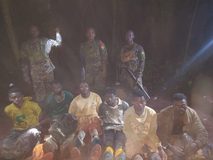
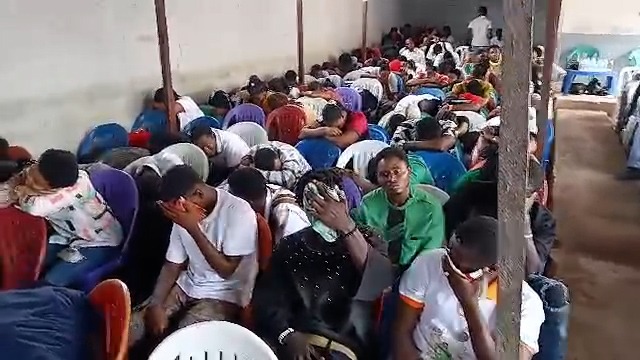
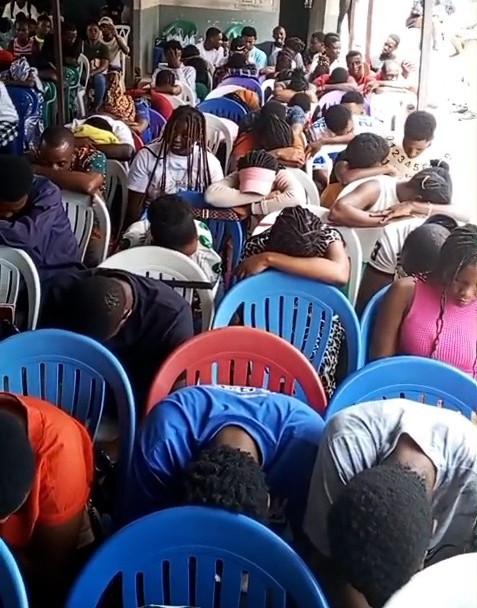
With support from Ivorian security forces, investigators managed to access one of the camps in Bondoukou. What they found was deeply disturbing. Between 400 and 450 victims were identified in a single camp. Victims included pregnant women, nursing mothers, and children as young as two months old, and their ages ranged from 16 to 60 years. Despite the breakthrough, the specific missing persons initially being tracked were not found.
The Kingpins Behind the Trade
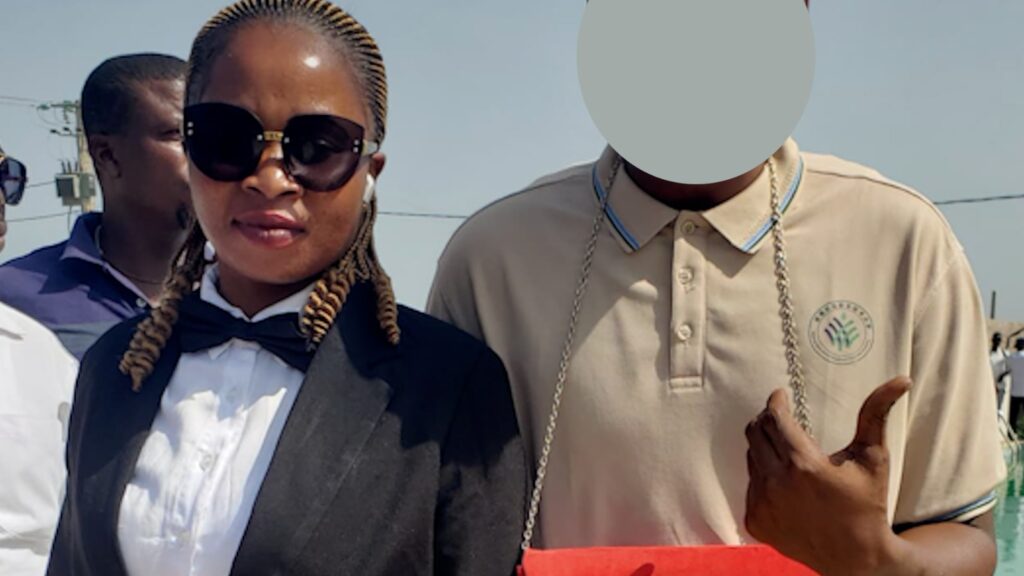
Two suspected traffickers, identified as Deborah and Suzzy, were arrested and handed over to local authorities.
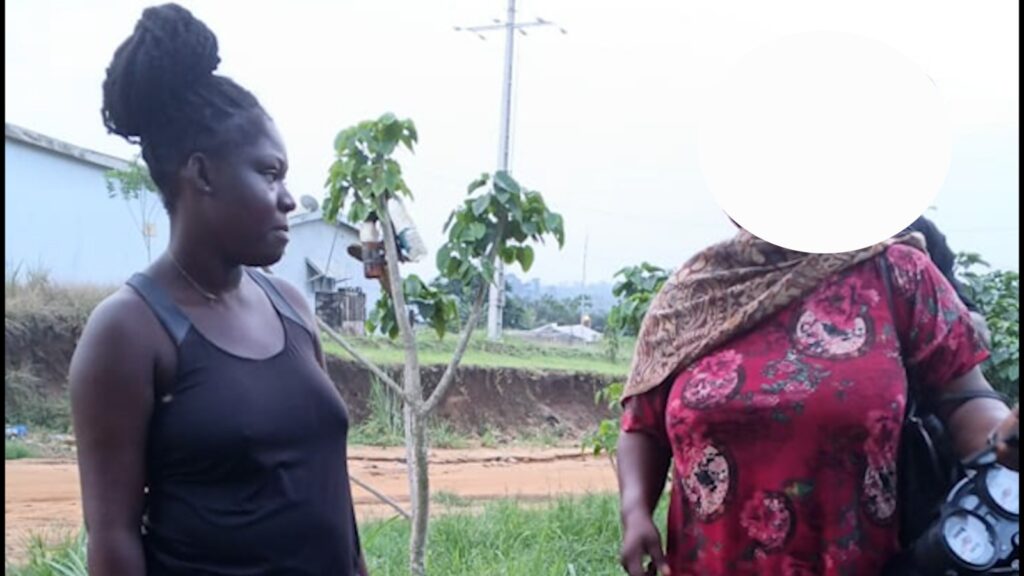
Deborah is believed to be a major kingpin operating multiple camps across Côte d’Ivoire, with recruitment networks extending into all regions of Ghana. Suzzy, reportedly from Sefwi Wiaso, is said to have used multiple identities to recruit victims, including at least 10 individuals from Bibiani alone.
How the Trap Works
Victims are targeted across all social classes, including teachers, nurses, bank executives, and even security personnel (military and police). They are promised jobs or relocation abroad, often to Europe. Families invest heavily. They often sell valuables, including cocoa farms, cars, and pay up to 130,000 cedis to ensure their relocation plans are achieved. However, instead of Europe, victims are trafficked through countries like Burkina Faso, Nigeria, Cameroon, Senegal and Liberia. They are told these are “transit points” for documentation, but never leave.
Living Hell in the Camps
Conditions inside the camps are described as inhumane. Victims sleep on mats. Food is scarce, and some survive on raw cassava. Water is unsafe, no access to hospitals, as Quack doctors provide treatment. In the most disturbing cases, those who fall seriously ill are reportedly abandoned in remote areas.
A Growing Crisis
Experts now warn that human trafficking in West Africa has reached alarming levels, described by some as a pandemic. Despite frequent security checks in Côte d’Ivoire, traffickers continue to operate, raising serious questions about enforcement gaps. The Ghana Police Service’s Anti-Human Trafficking Unit continues investigations, but the scale of the problem highlights the urgent need for stronger cross-border collaboration.
For many families, the nightmare continues. Their children left home chasing opportunity. Instead, they vanished into a system designed to exploit, control, and silence them.
By paqmediagh/Peter Quao Adattor