

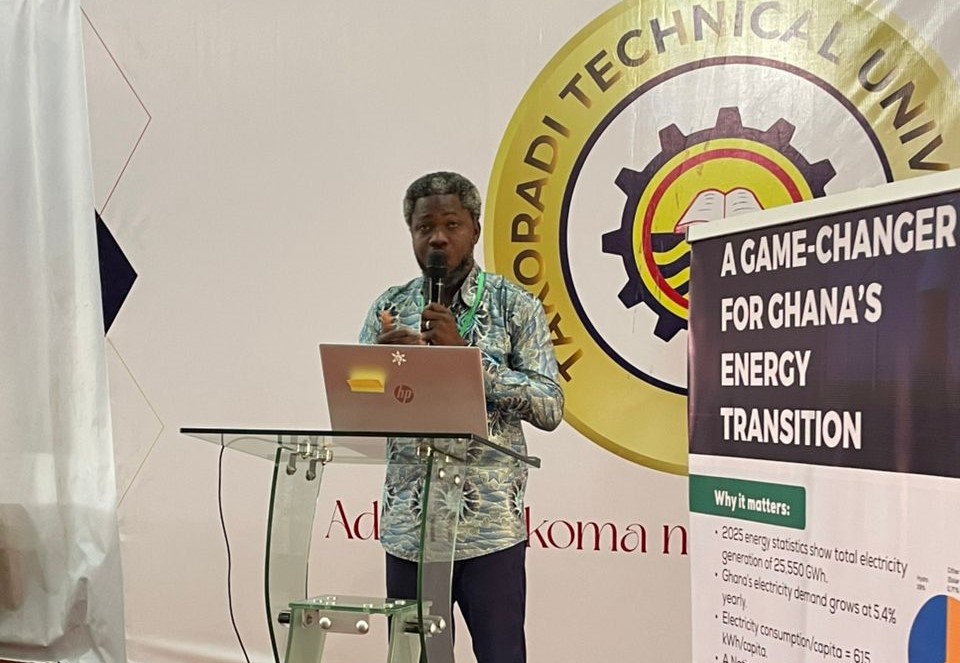
A high-level workshop at Takoradi Technical University (TTU) has thrust advanced nuclear technology into the spotlight, positioning Small Modular Reactors (SMRs) as a potential game-changer in Ghana’s pursuit of reliable, clean, and affordable energy.
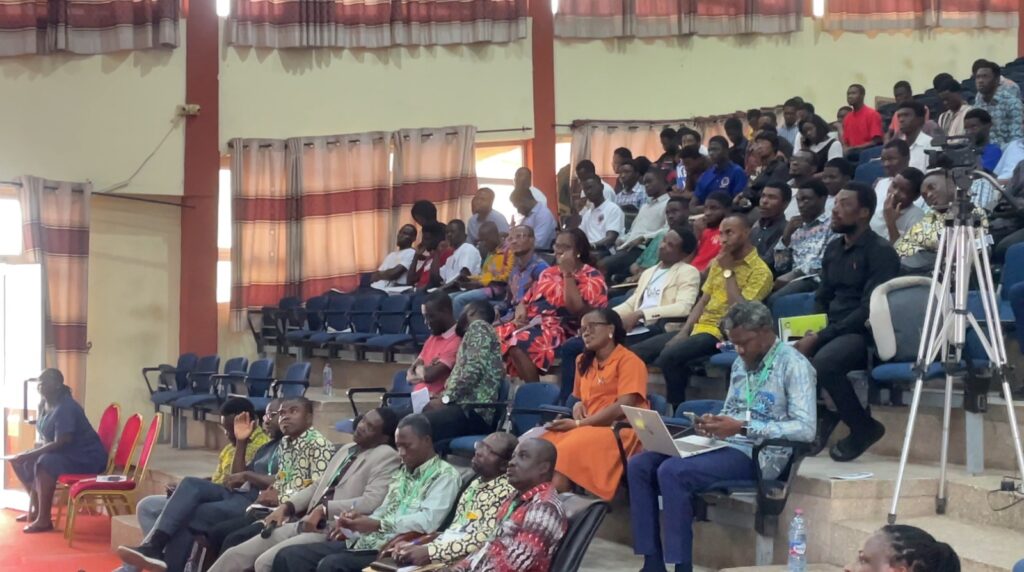
The workshop, themed “Integrating Small Modular Reactors (SMRs) in a Hybrid Energy System for Sustainable Energy Development in Ghana,” attracted more than 170 participants, including over 60 faculty experts, industry professionals, and engineering students, signalling growing national interest in nuclear-powered energy solutions.
Opening the event, TTU Pro-Vice-Chancellor Professor Ebenezer Boakye underscored the urgency of diversifying Ghana’s energy mix.
“To secure our development, we must build a resilient national energy system,” he said. “This means combining our vast renewable energy potential with a dependable, always-available power source. Nuclear energy provides that reliability.”
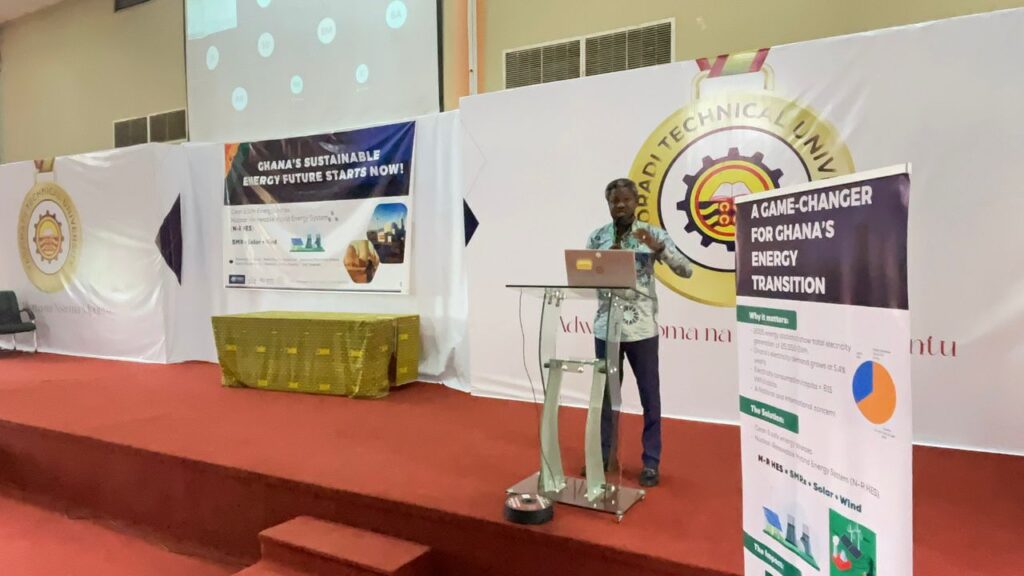
The workshop was led by Mark Amoah Nyasapoh, Project Manager for the study funded by the U.S. Department of State’s Foundational Infrastructure for Responsible Use of Small Modular Reactor Technology (FIRST) Programme, implemented by the International Science and Technology Centre (ISTC).
Presenting findings from a Ghana-focused case study, Nyasapoh explained that advanced modelling tools—including HOMER and the IAEA’s MESSAGE framework—demonstrate how SMRs, when integrated with renewables, could stabilise electricity prices, reduce carbon emissions, and deliver dependable power to both heavy industries and remote communities.
“Our analysis shows that SMRs can anchor the national grid, support industrial growth, and ensure long-term energy security,” he said. “This is not theoretical—it is a practical pathway to breaking Ghana’s recurring power crisis.”
Nyasapoh, who is also an Energy Economist at the Nuclear Power Institute of the Ghana Atomic Energy Commission (GAEC) and a PhD candidate at the University of Energy and Natural Resources (UENR), noted that sustained power reliability could unlock economic growth, attract investment, and create jobs nationwide.
A keynote address by Professor Hossam A. Gabber of Ontario Tech University, Canada, addressed public safety concerns, stressing that modern SMRs are designed with multiple layers of protection.
“SMRs are built on the principle of defence-in-depth,” he said. “They offer clean, cost-competitive energy with safety engineered into every level of operation.”
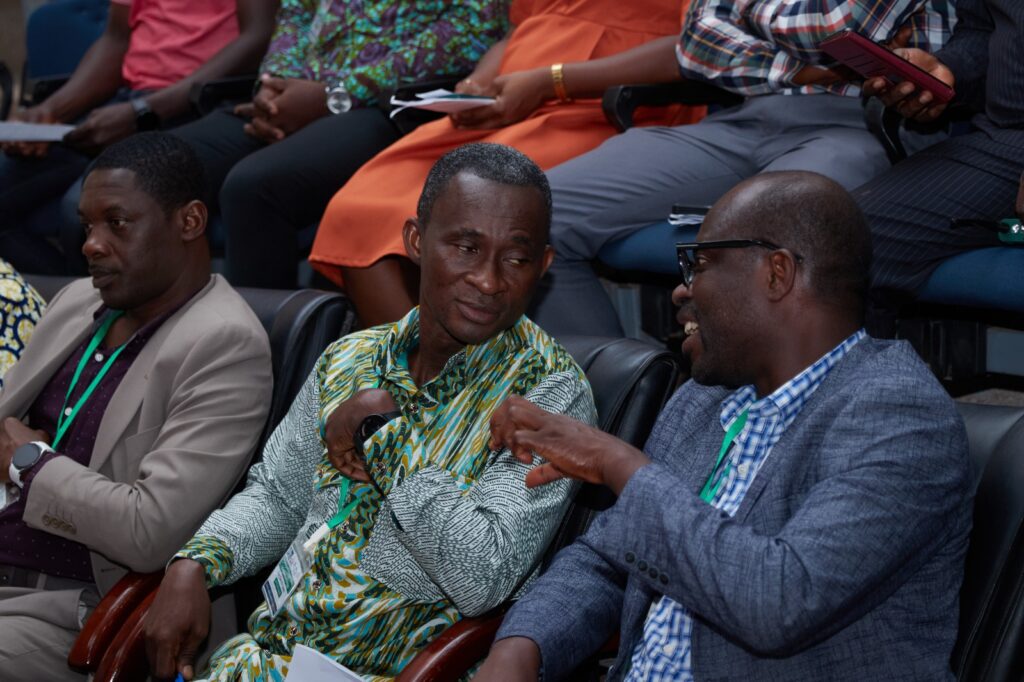
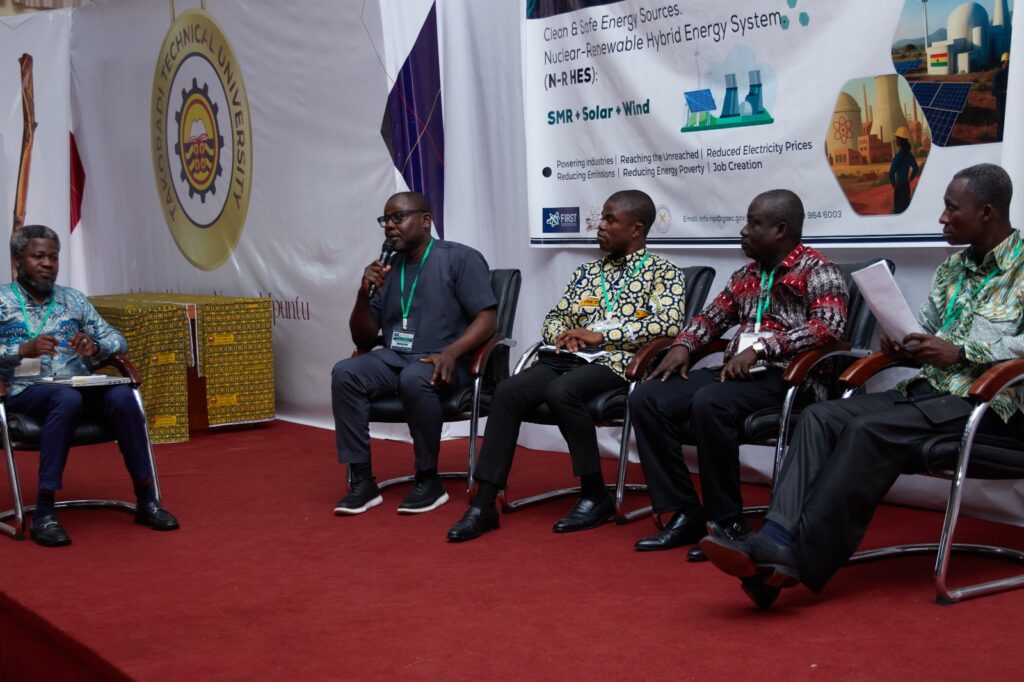
A panel discussion and audience engagement revealed strong interest in the technology’s adaptability. Participants agreed that the modular and compact nature of SMRs makes them suitable for Ghana’s industrial hubs, coastal zones, and underserved regions.
The TTU workshop has now ignited broader national dialogue on whether small nuclear reactors could form a cornerstone of Ghana’s long-term energy strategy, one that balances sustainability, safety, and economic resilience.
By Calvin Powers