


As Ghana pursues the global target of conserving 30 per cent of land and ocean by 2030, declining fish catches, illegal fishing, weak enforcement, and growing hardship in coastal communities raise difficult questions about the country’s commitment to protecting its marine resources.
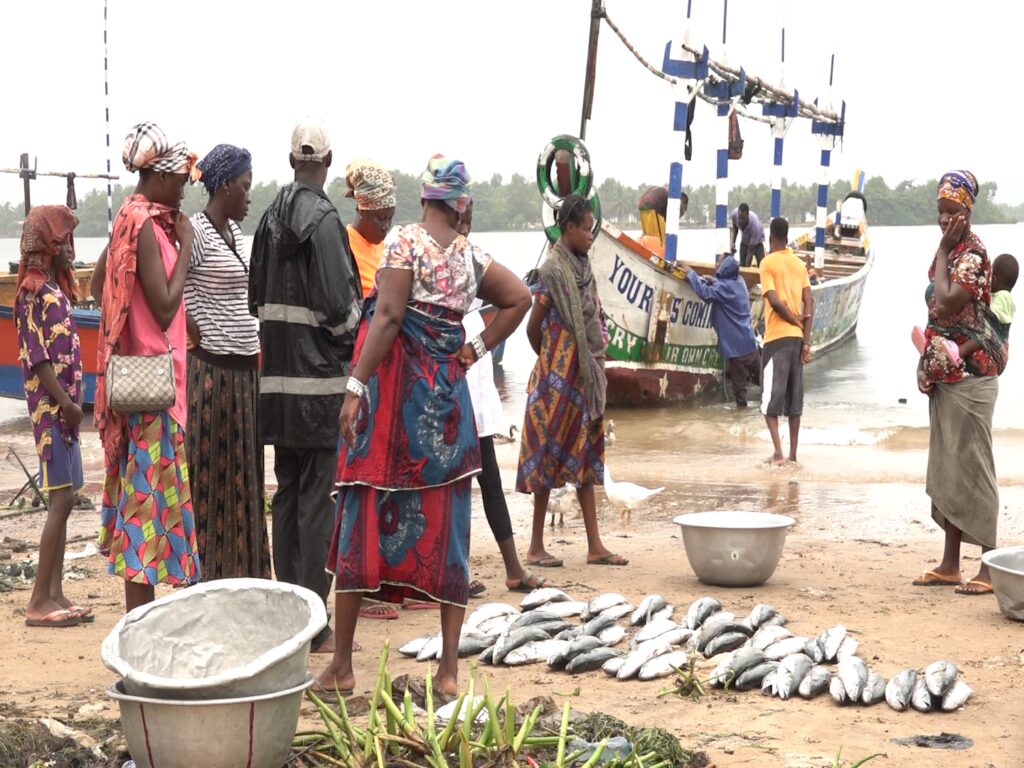
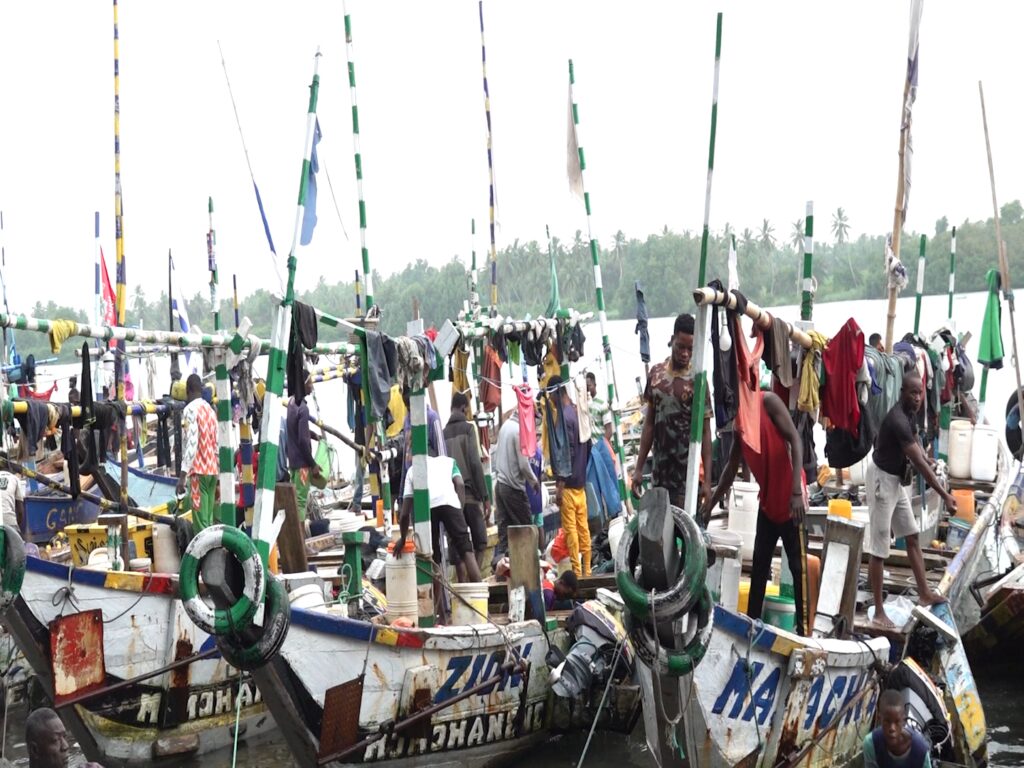
For generations, the sea has provided life, food, employment, and economic security for thousands of families along Ghana’s coastline.
From Jamestown to Aflao, Winneba to Axim, fishing has sustained communities, educated children, supported households and provided income for canoe owners, fishers, fish processors and traders.
But that relationship between coastal communities and the ocean is coming under increasing strain.
Fishers are reporting declining catches, rising operating costs and growing competition for dwindling marine resources. Some return from fishing expeditions with little or nothing to show for their efforts, leaving families struggling to survive and businesses fighting to remain viable.
The situation has also intensified concerns about illegal, unreported and unregulated (IUU) fishing, destructive fishing methods, industrial fishing activities and the effectiveness of measures intended to protect Ghana’s marine ecosystems.
Yet, as these concerns deepen, Ghana is pursuing the global ambition of conserving at least 30 per cent of land and ocean by 2030.
The contrast raises a fundamental question: Can Ghana achieve meaningful marine conservation while the fishing communities that depend on its waters continue to struggle with declining catches and uncertain livelihoods?
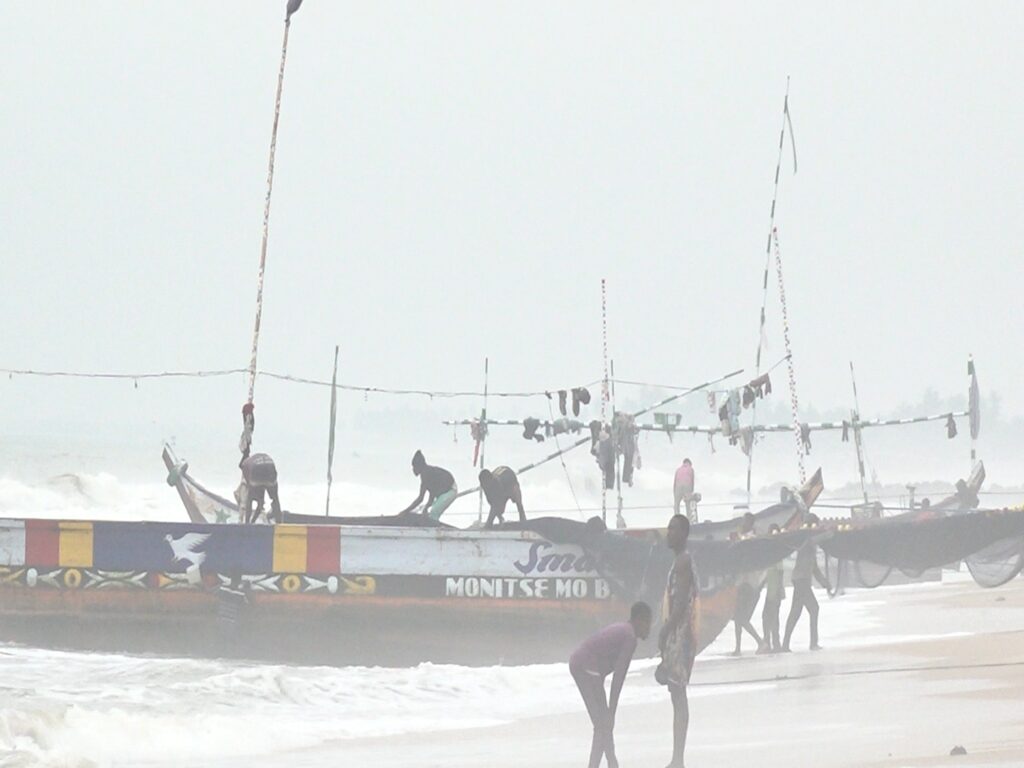
Empty Nets, Growing Hardship: The Human Cost of Declining Fish Stocks
For fishing communities, declining catches are not merely an environmental concern. They represent lost income, mounting financial pressure and growing uncertainty about the future.
Canoe owners invest in fishing gear, fuel, equipment and the upkeep of their vessels, hoping that each expedition will produce enough fish to cover expenses and support their crews.
But some say the returns are becoming increasingly disappointing.
One fishing gear owner described the hardship of financing expeditions that yield little or no catch.
“The fishermen return from sea with empty canoes, yet we, the canoe and gear owners, must still provide for their basic needs,” he lamented.
The consequences extend beyond the fishing boats.
Fishmongers and processors, many of them women, depend on regular supplies of fish to sustain their businesses. When catches decline, the available fish can become more expensive, making it difficult for traders to purchase sufficient quantities for processing and resale.
One fish trader explained that rising prices and declining supplies have reduced her ability to remain competitive.
For consumers, these pressures can translate into higher prices and reduced access to fish, an important source of protein in Ghanaian diets.
The hardship therefore spreads from the landing beaches to local markets, households and communities.
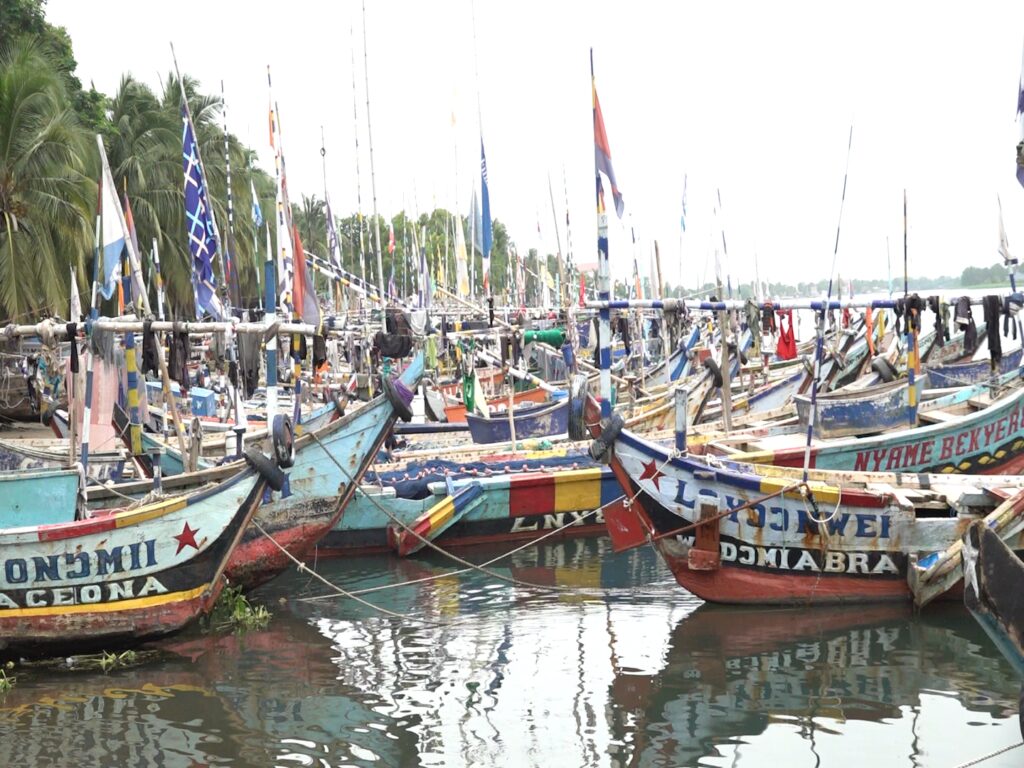
The Hidden Threat Beneath the Nets: Are Destructive Fishing Methods Depleting Ghana’s Seas?
While industrial fishing vessels have frequently been blamed for pressure on Ghana’s marine resources, some artisanal fishers are also raising concerns about practices within their own sector.
One fisher alleged that certain operators use nets that initially appear to comply with approved mesh-size requirements but tighten when deployed and retrieved.
According to him, the practice traps extremely small fish, including juveniles that have not had the opportunity to mature and reproduce.
He warned that such methods could undermine efforts to replenish depleted fish stocks.
The allegation raises important questions about the effectiveness of fishing gear inspections and whether authorities are adequately monitoring the actual performance of nets used at sea.
Mesh-size regulations are intended, among other purposes, to reduce the capture of undersized fish and support the long-term sustainability of fisheries.
However, establishing whether particular fishing gear violates Ghana’s regulations requires technical examination, documentation and verification by the appropriate fisheries authorities.
The broader concern is that the continued capture of juvenile fish could weaken the ability of already pressured fish populations to recover.
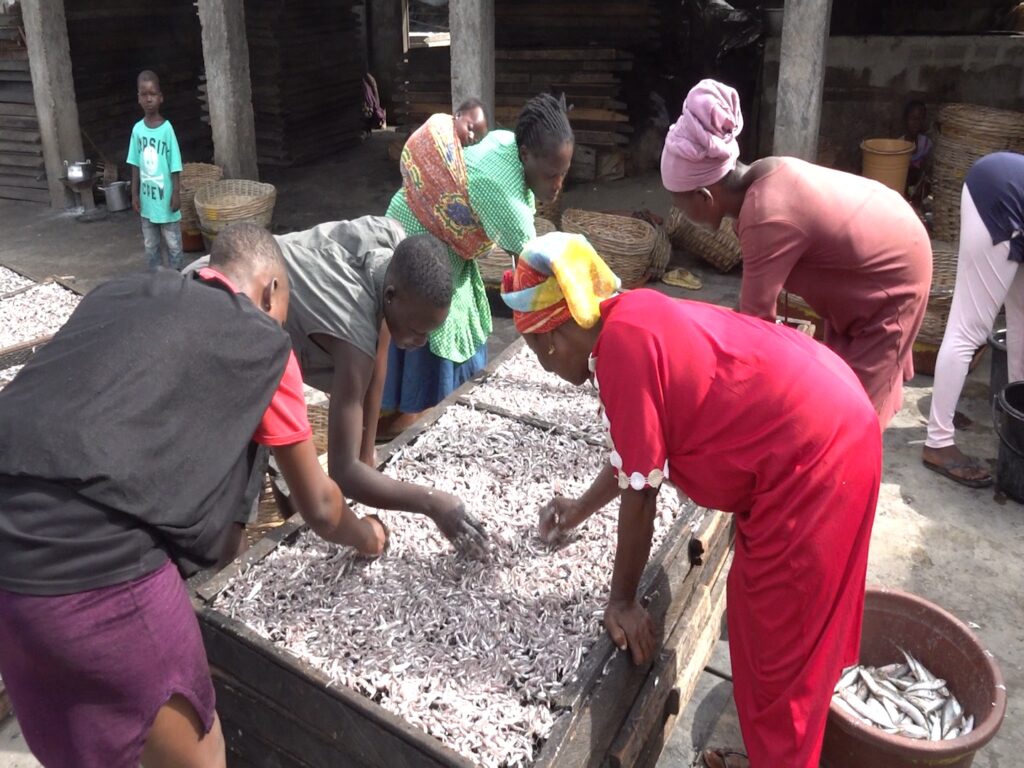
Illegal Fishing: The Battle Between Survival and Sustainability
For some artisanal fishers, eliminating illegal fishing practices is central to restoring Ghana’s marine resources.
One fisherman argued that destructive fishing methods must be stopped if depleted fish populations are to recover.
He claimed that several fish species that were once common in local catches have become increasingly difficult to find.
Such accounts reflect the concerns of fishing communities, although claims that particular species have become extinct would require scientific confirmation.
The situation also exposes tensions surrounding the enforcement of fisheries regulations.
Some artisanal fishers acknowledge resisting government directives against light fishing, arguing that industrial fishing vessels are allegedly allowed to engage in prohibited practices without facing equivalent consequences.
One fisher explained that their resistance was driven by concerns about unequal enforcement and the need to protect their livelihoods.
“We resisted the government’s directive to stop light fishing because industrial fishing vessels continue to engage in illegal practices,” he said.
The claim has not been independently established, but it highlights a recurring concern within fishing communities: whether fisheries regulations are enforced consistently across the artisanal and industrial sectors.
Light fishing and other prohibited methods remain subject to applicable fisheries regulations. Economic hardship does not make illegal fishing lawful, but understanding why fishers resist restrictions is important to developing effective and socially acceptable enforcement measures.
The challenge for authorities is to ensure that regulations are applied fairly while addressing the economic pressures that encourage non-compliance.

Industrial Fishing Under Scrutiny: Who Is Responsible for the Declining Catch?
Industrial fishing activities remain another major source of concern among artisanal fishing communities.
Some fishers accuse foreign-linked industrial vessels of contributing significantly to the depletion of fish stocks traditionally relied upon by canoe operators.
They argue that competition at sea has made fishing expeditions increasingly unpredictable and less profitable.
One fisher questioned how coastal families could survive when the marine resources supporting their livelihoods were becoming increasingly scarce.
“If everything you depended on for survival was disappearing, what would you do in our situation?” he asked.
These concerns warrant investigation, particularly regarding the activities of industrial trawlers, compliance with fishing regulations, monitoring at sea and enforcement against documented violations.
However, attributing declining fish stocks exclusively to industrial fishing would overlook other potential contributing factors, including excessive fishing pressure within the artisanal sector, environmental changes, seasonal variations and weaknesses in fisheries management.
Determining the relative contribution of each factor requires reliable catch data, scientific stock assessments and independently verified evidence of illegal fishing activities.
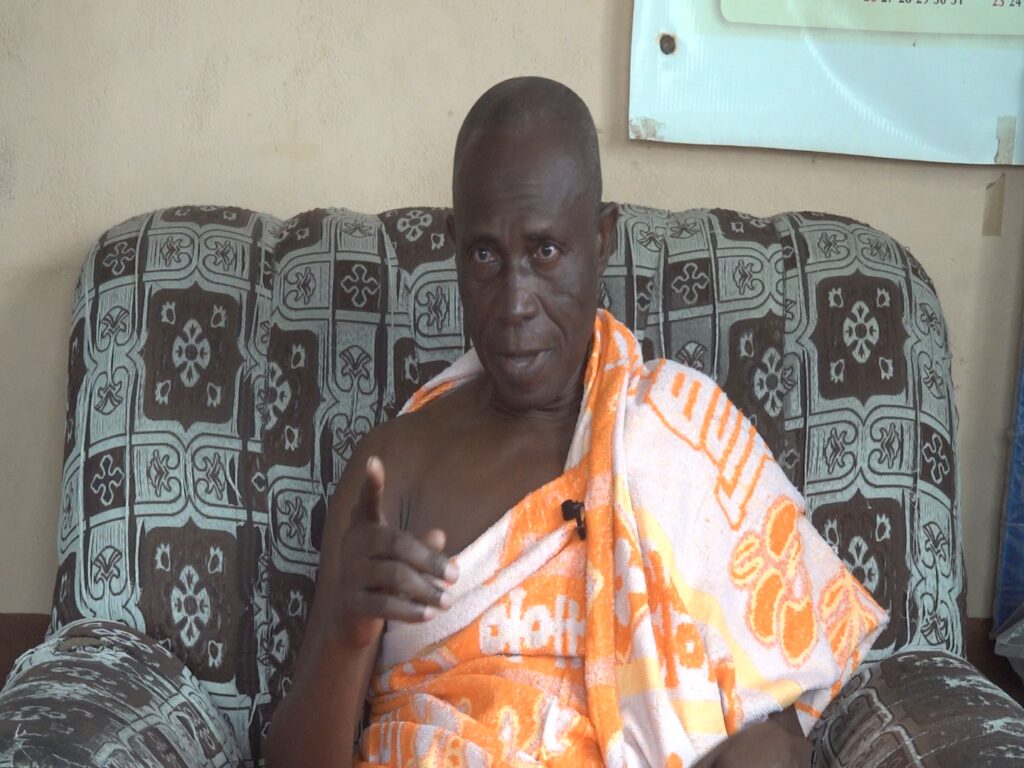
Weak Enforcement or Weak Compliance? Questions for Fisheries Authorities
At the centre of Ghana’s fisheries challenges is the effectiveness of enforcement.
The existence of regulations alone does not guarantee sustainable fishing.
Their success depends on whether fishing operators understand and comply with the rules, whether authorities can detect violations and whether offenders face appropriate sanctions.
Concerns raised by fishers about prohibited gear, light fishing and alleged industrial fishing violations therefore demand clear responses from the relevant institutions.
Key questions include whether existing inspections are sufficient to detect illegal fishing gear, how frequently violations are recorded, what sanctions are imposed and whether enforcement measures are applied consistently.
There is also the question of how fisheries authorities engage fishing communities whose livelihoods may be affected by conservation restrictions.
For meaningful progress, enforcement must be supported by transparent reporting, credible investigations, adequate monitoring capacity and cooperation among fishing communities, industry operators and regulatory agencies.
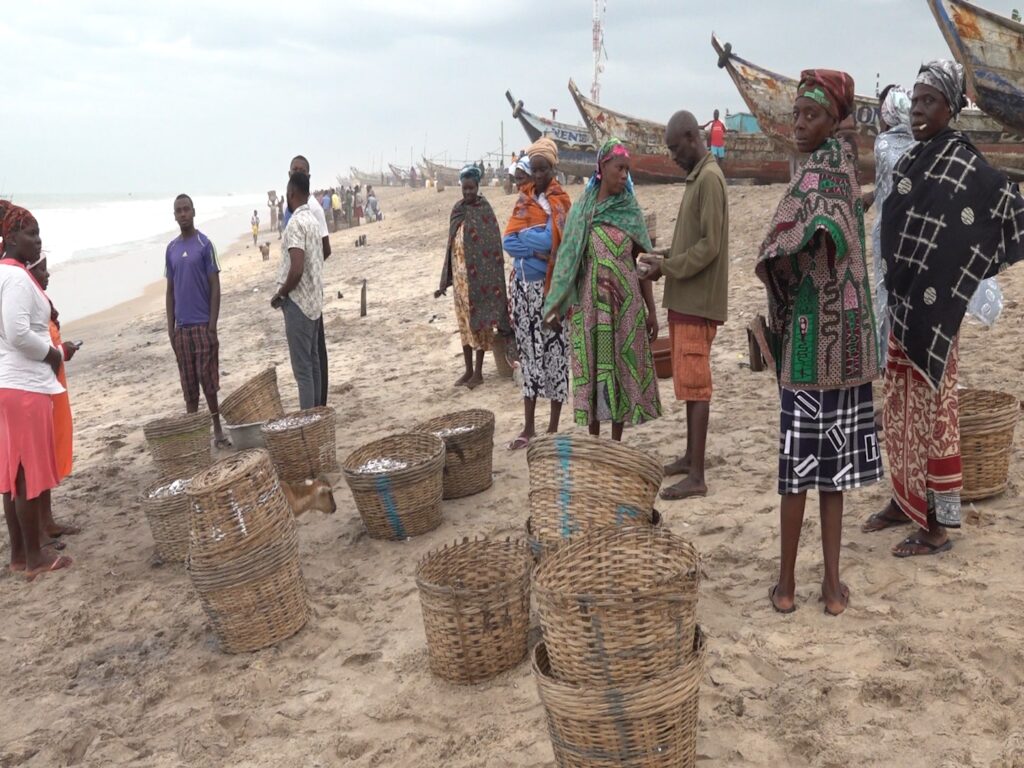
Ghana’s 30×30 Promise: Conservation Beyond Political Commitments
The global 30×30 target, adopted under the Kunming-Montreal Global Biodiversity Framework, seeks the effective conservation and management of at least 30 per cent of terrestrial, inland water, coastal and marine areas worldwide by 2030.
For Ghana, the ambition raises important questions about the condition of its marine ecosystems and the effectiveness of its conservation measures.
Although the global target provides a framework for action, protecting the ocean requires more than announcing commitments or designating protected areas.
Effective conservation depends on management plans, scientific monitoring, adequate resources, community participation and the enforcement of regulations.
It also requires clarity about which marine areas are protected, what activities are permitted within them and how conservation outcomes are measured.
As the 2030 deadline approaches, Ghana faces growing pressure to demonstrate that its marine conservation efforts are producing measurable results.
The central issue is not simply how much ocean is designated for protection, but whether those measures can help sustain marine biodiversity and improve the long-term health of fisheries.
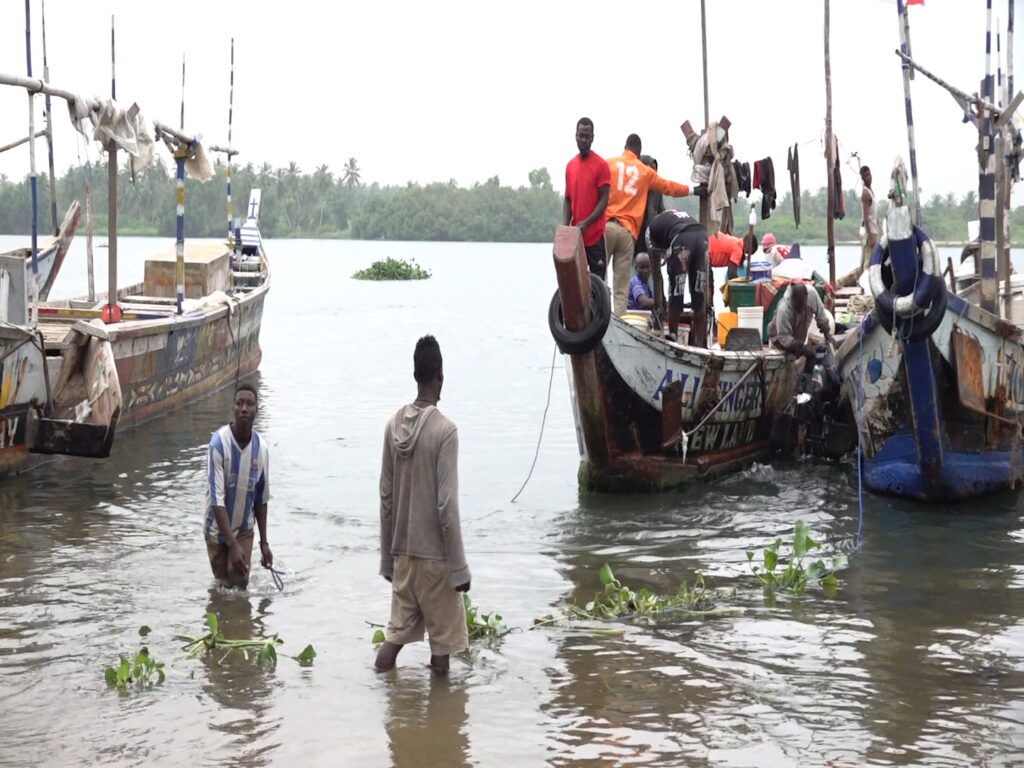
Women at the Centre of the Crisis: The Overlooked Victims of Declining Catches
The struggle to protect Ghana’s marine resources is also a struggle to sustain the livelihoods of women who depend on the fishing industry.
Across coastal communities, women play important roles in fish processing, smoking, preservation, distribution and trading.
Their businesses depend heavily on the availability and affordability of fish.
When catches decline, many face a difficult choice: purchase fish at higher prices and risk making little profit, or reduce their trading activities altogether.
The consequences can affect household income, children’s education and the ability of families to meet basic needs.
Yet discussions about fisheries management often concentrate on fishing vessels, canoe operators and enforcement at sea, while the experiences of women working along the fisheries value chain receive less attention.
For marine conservation policies to be socially effective, the concerns of fish processors and traders must form part of decision-making.
Their participation is essential because the economic consequences of declining fish stocks extend far beyond those who directly harvest fish.
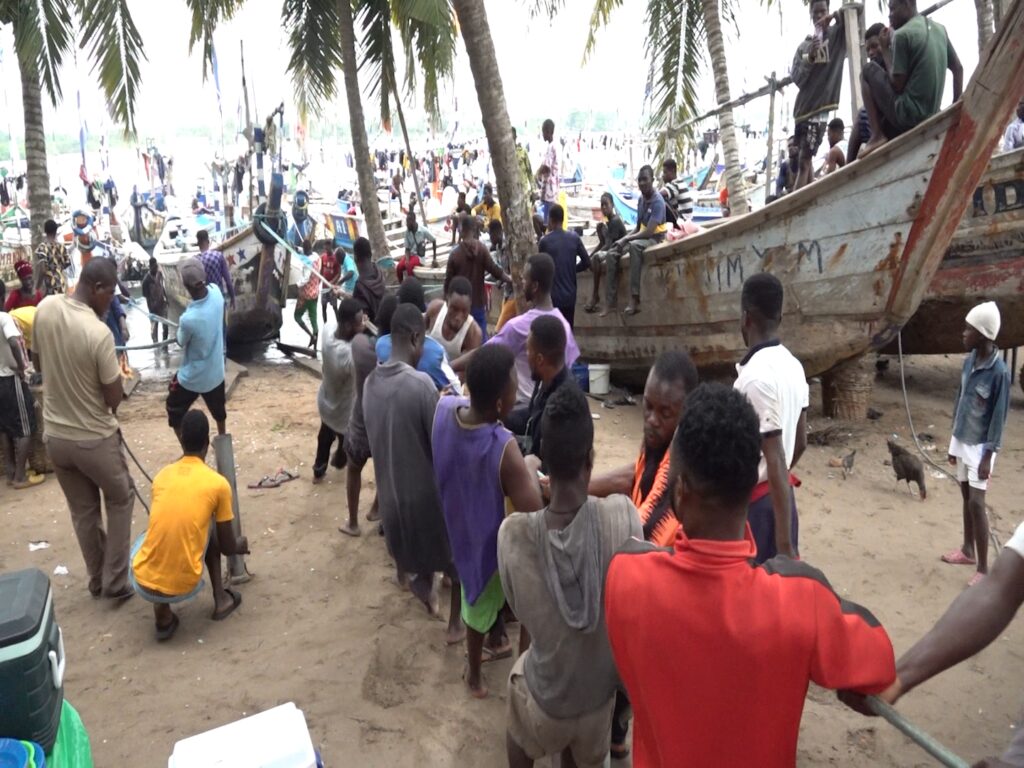
Can Conservation Succeed Without the Fishing Communities?
Protecting Ghana’s oceans will require more than stricter regulations and increased surveillance.
Fishing communities possess generations of knowledge about fishing grounds, seasonal patterns, species availability and changes in the marine environment.
Their observations can help identify emerging concerns, although such knowledge must be assessed alongside scientific evidence.
Community participation can also improve trust between regulators and fishers, particularly where restrictions affect livelihoods.
The challenge is to develop a fisheries management approach that combines effective enforcement with public education, scientific research, fair treatment and practical support for affected communities.
Without community involvement, conservation measures may face resistance.
Without credible enforcement, however, the continued use of destructive fishing practices could undermine efforts to restore marine resources.
Both are necessary.
The Road to 2030: Will Ghana’s Oceans Recover?
For Ghana’s fishing communities, the success of marine conservation will ultimately be measured by more than international commitments and policy announcements.
It will be reflected in the health of marine ecosystems, the sustainability of fish stocks and the ability of families to earn a decent living from the sea.
The concerns raised by fishers, canoe owners and traders point to an urgent need for stronger fisheries management, transparent enforcement and greater accountability across the industry.
They also reinforce the importance of independent scientific evidence to establish the scale and causes of declining fish stocks.
As Ghana works towards the 2030 conservation target, the country must confront a difficult reality: protecting marine biodiversity and protecting coastal livelihoods are not competing ambitions. They are deeply connected.
For the fisher who returns home with an empty canoe, the fish trader unable to afford stock and the family struggling to survive on declining income, the promise of ocean conservation must translate into tangible change.
Because the true measure of Ghana’s commitment to protecting its oceans will not be the promises it makes, but whether its seas can continue to sustain life, livelihoods and future generations.
This investigation was conducted by Peter Quao Adattor for GHOne TV and EIB News, with support from the Earth Journalism Network (EJN) under its Global Accountability on 30×30 initiative.
By Peter Qyao Adattor/paqmediagh